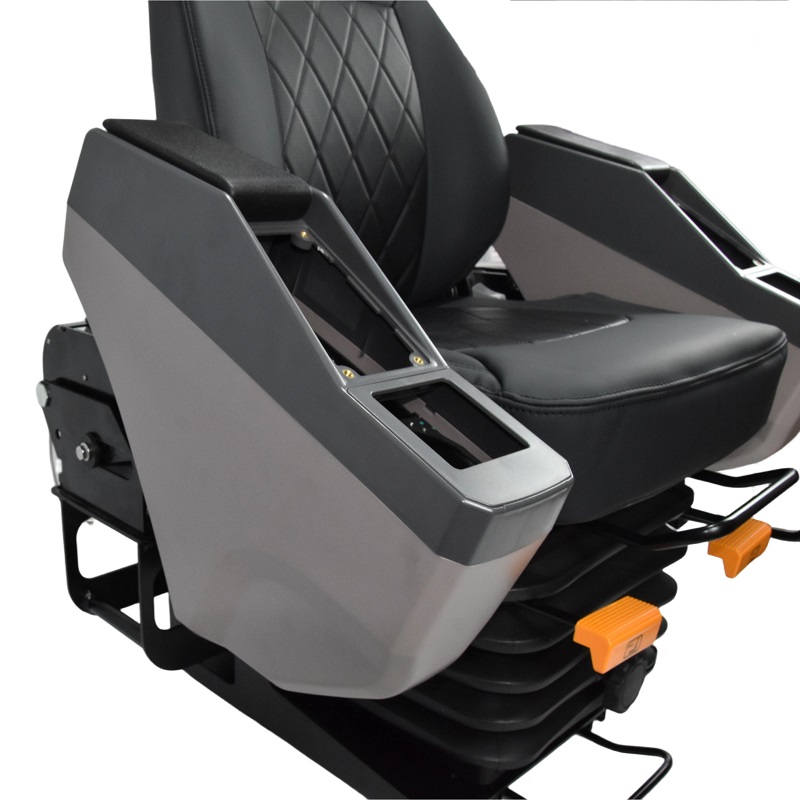
Thesis and comparison framework
OEM-grade seating isn’t a luxury; it’s a performance decision. This piece argues, with clear side-by-side logic, that choosing an OEM solution from experienced industrial seats manufacturers reduces downtime and protects operator health more reliably than generic alternatives. Start with a practical unit like a high-quality construction machinery seat and the contrast becomes obvious: better suspension, consistent lumbar support, and factory-fit mounting that minimizes retrofit issues.

What OEM-grade seats actually deliver
OEM seats are designed to meet specific machine interfaces and working cycles. Key deliverables include calibrated suspension travel that matches machine vibration spectra, seat base geometries that preserve access to controls, and materials rated for UV, oil, and abrasion. These features lower micro-trauma from vibration and cut the frequency of premature replacements. Ergonomics and vibration damping are not marketing buzzwords here — they’re measurable contributors to fewer operator complaints and steadier productivity on long shifts.
Direct comparison: OEM versus aftermarket
Compare three practical metrics across OEM and common aftermarket seats: mean time between failures, fit-and-finish tolerances, and ergonomic outcomes. OEM seats typically show longer service intervals because components (springs, dampers, mounts) match the machine’s duty cycle. Aftermarket options can be economical up front but often require custom adapters or seat base changes that increase installation time and risk misalignment. The result: hidden costs in labor and altered seat geometry that affects operator posture and sightlines.
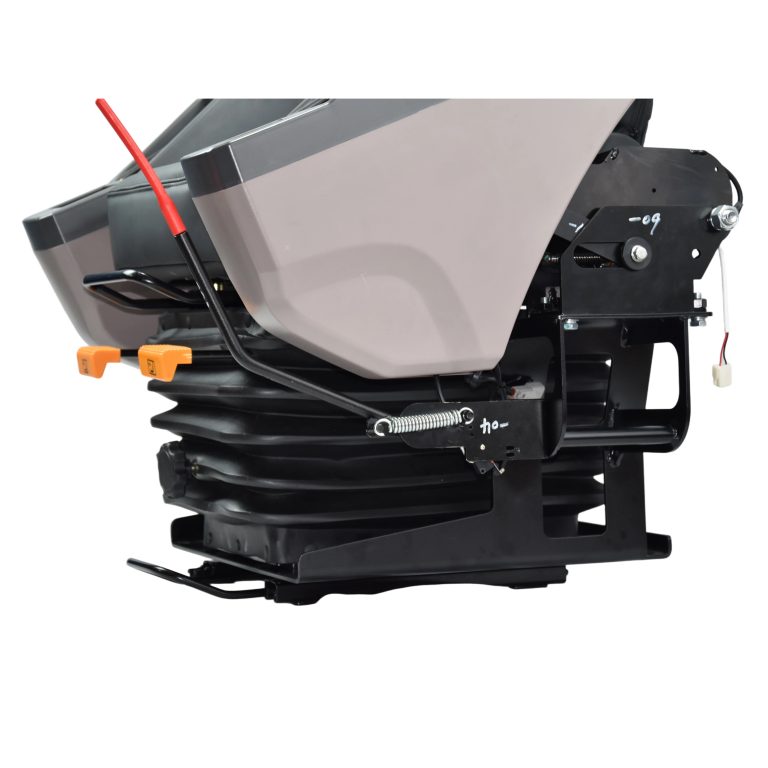
Installation realities and common retrofit mistakes
Installers often underestimate interface tolerance and mounting torque specifications. A mismatched seat base or improper mounting bolts leads to fastener fatigue and squeaks — small failures that grow into expensive repairs. Retrofit notes: confirm mounting bolt pattern, verify seat track stroke clearance, and check that integrated harness routing does not pinch electronics. Operators notice comfort changes immediately; fleet managers feel the cost later. — Leave suspension tuning to technicians familiar with your machine class to avoid rework.
Real-world anchor: what the field shows
At trade shows such as CONEXPO-CON/AGG in Las Vegas, major OEMs demo seat assemblies side-by-side with retrofit solutions; the difference is visible and practical. Field reports from contractors operating across the Port of Rotterdam terminals and heavy urban projects show the same outcome: properly specified OEM seats reduce minor service visits and maintain operator focus on tasks rather than seat adjustments. This kind of industry exposure supports an evidence-based procurement approach rather than a lowest-bid reflex.
How to evaluate industrial seats manufacturers
Assess manufacturers on three concrete axes: engineering traceability, service support, and proven compatibility tests. Engineering traceability means you can map a seat’s components to service life expectations. Service support covers certified installers and documented maintenance intervals. Proven compatibility tests include vibration frequency matching and seat endurance cycles tied to machine hours. These checks limit surprises when swapping seats on heavy excavators or loaders.
Common alternatives and when they make sense
Aftermarket seats are valid when budget constraints are strict and the machine sees light duty. Specialty ergonomic upgrades or custom cushions can also be interim options. But for high-hour machines — fleet excavators, compactors, and large loaders — the TCO favors OEM-grade choices because they align suspension and mounting with the host machine. The john deere excavator seat example illustrates a vendor solution that preserves controls, sightlines, and factory warranty terms when correctly specified.
Advisory: three golden rules for selecting seats
1) Match suspension characteristics to machine vibration signatures — verify damper stroke and spring rate data. 2) Confirm mounting compatibility — bolt pattern, track clearance, and harness routing must align without improvised adapters. 3) Require documented service intervals and local support — spare parts and certified installation cut downtime. These metrics are non-negotiable when safety and productivity are on the line.
Decide on OEM-grade seats when uptime and operator health are priorities; the measurable gains in reliability and reduced service touchpoints justify the investment. — Source One