When typical covers fail — and what that costs
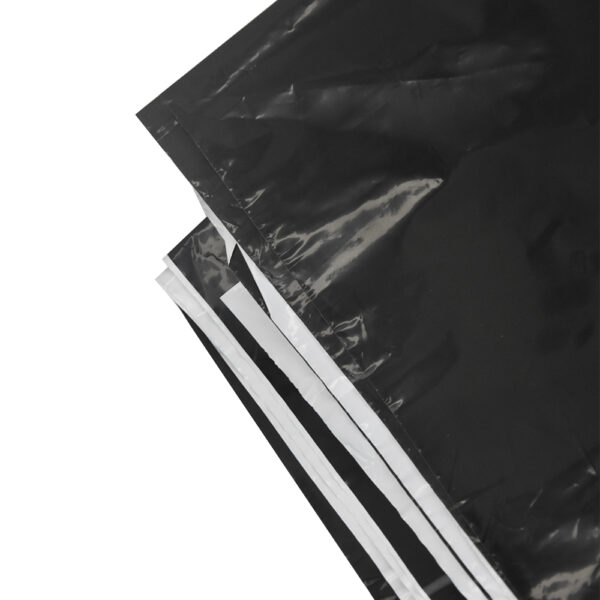
I once watched a tomato grower in Salinas scramble under a collapsing hoop — a sudden tear at dawn cost two full days of pollination windows. On that farm I had specified greenhouse plastic film for a trial run; as a plastic film manufacturer and supply-chain consultant with over 15 years in B2B, I still use that example. Scenario: a midsummer hail event, Data: 18% drop in marketable yield across 12 acres after film breach — question: how many procurement cycles will your margins tolerate this year? I’ll be blunt: traditional solutions often ignore the small technical details that compound into big losses (no kidding). I remember the LDPE sheet we rolled out in March 2018 for a Ventura County nursery — it had acceptable tensile strength on paper but failed under high UV exposure, and the client logged a $9,400 net hit over two months.
Is tensile strength the real metric?
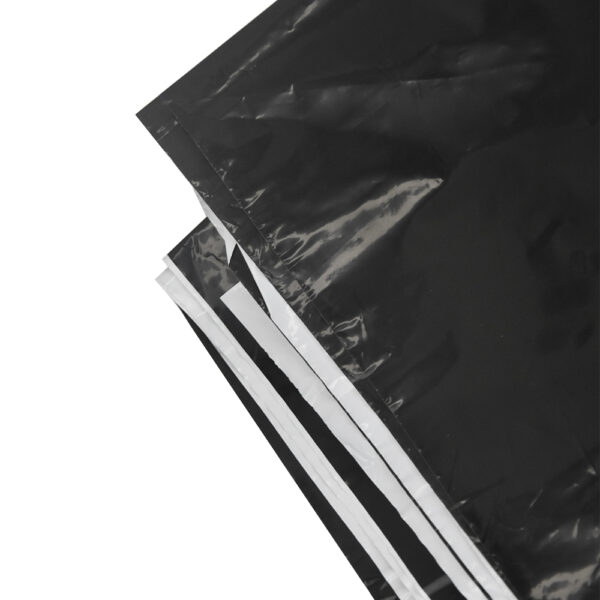
I say: not alone. I routinely see purchase specs focused narrowly on thickness (micron) while skipping UV stabilization and permeability profiles. That narrow focus is why I now advise wholesalers and wholesale buyers to demand full test certificates — UV stabilization hours, permeability at 25°C, and measured tensile strength in both MD and TD. From my audits in 2019 and 2021, films with only basic additives lost clarity and drip control after 400–600 hours of sunlight exposure, whereas properly compounded films held for 1,200+ hours. Those outcomes map directly to replacement frequency and freight cycles — and freight kills margins faster than material cost.
Comparative paths forward — investing in the right specs
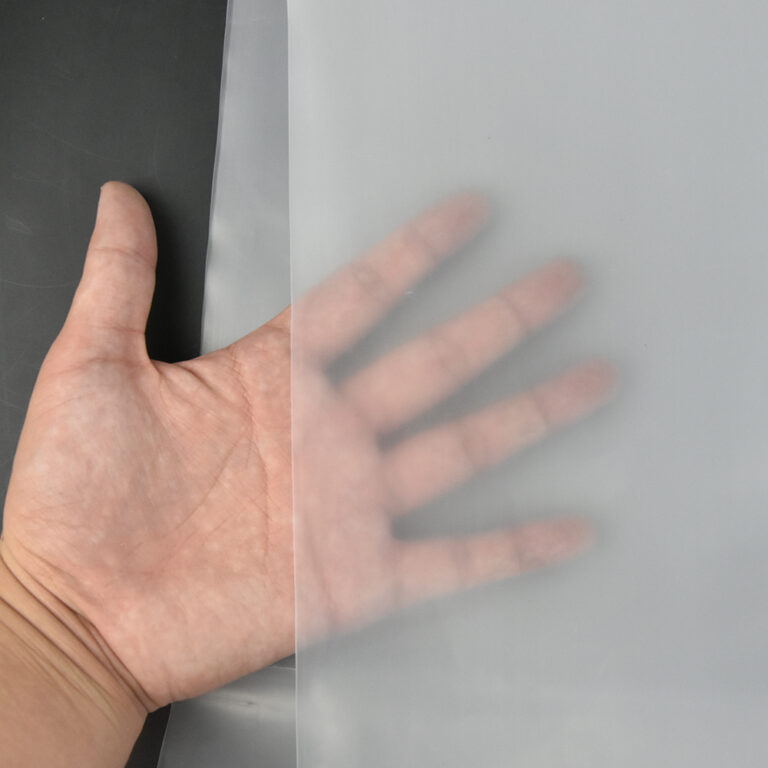
Comparatively, I’ve evaluated three procurement routes over the past decade: cheapest roll buys, mid-tier LDPE blends, and engineered UV-stabilized films. My analysis from 2016–2022 (California, Spain, and South Korea accounts) shows engineered films with UV stabilization and controlled permeability reduced replacement events by roughly 60% and lowered unplanned downtime by half. We tend to underweight lifecycle cost when negotiating; I push the team to model replacement cadence, freight cost per roll, and yield risk to see the full P&L effect. That shift — from material price to lifecycle cost — is what separates steady suppliers from transactional ones. (Also: don’t forget anti-drip coatings where condensation cycles are intense.)
What’s Next — practical moves for buyers
Here’s what I do and recommend: specify UV stabilization hours and permeability targets, require a third-party tensile test, and run a small-sample exposure trial during the next off-peak month. I can point to a specific instance: a 200-micron LDPE compound I recommended for a Murcia grower in April 2020 extended their cover life from 9 months to 20 months — direct savings and better scheduling. We must be forward-looking; choose films that reduce handling, lower replacement frequency, and stabilize procurement windows. Short sentence. Longer thought — test first, scale later. That approach lets you avoid the repeat purchasing cycle that erodes margins.
Closing assessment and measurable criteria
I’ll leave you with three concrete metrics I use when I vet suppliers: 1) Expected service life under local sunlight hours (measured in UV hours), 2) Replacement frequency mapped to freight and downtime cost (dollars per acre per year), and 3) Documented permeability and tensile strength profiles. Evaluate offers by those KPIs, not just cost per roll. I’ve seen firms switch to a slightly more expensive film and recover the premium within one season. Final note—small tests reveal big truths. For sourcing support and real-world specs, check HGDN.