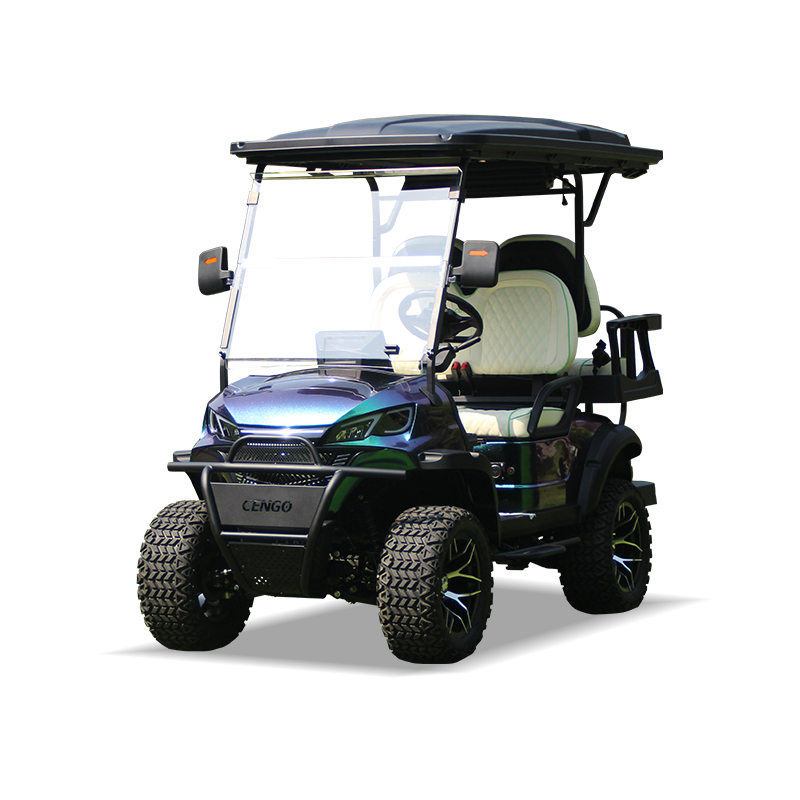
Why distributors matter when you plan a fleet
Choosing the right parts and support partner turns a good fleet into a reliable one. This piece compares distributor approaches so fleet architects and designers can pick what actually holds up under load. If you’re specifying vehicles for resorts, parks, or utility tasks, you want clarity on sourcing — whether it’s an off road golf cart or a heavier UTV. We’ll cut past marketing fluff and focus on the real trade-offs: stock, testing, repair turnarounds, and integration with telematics.
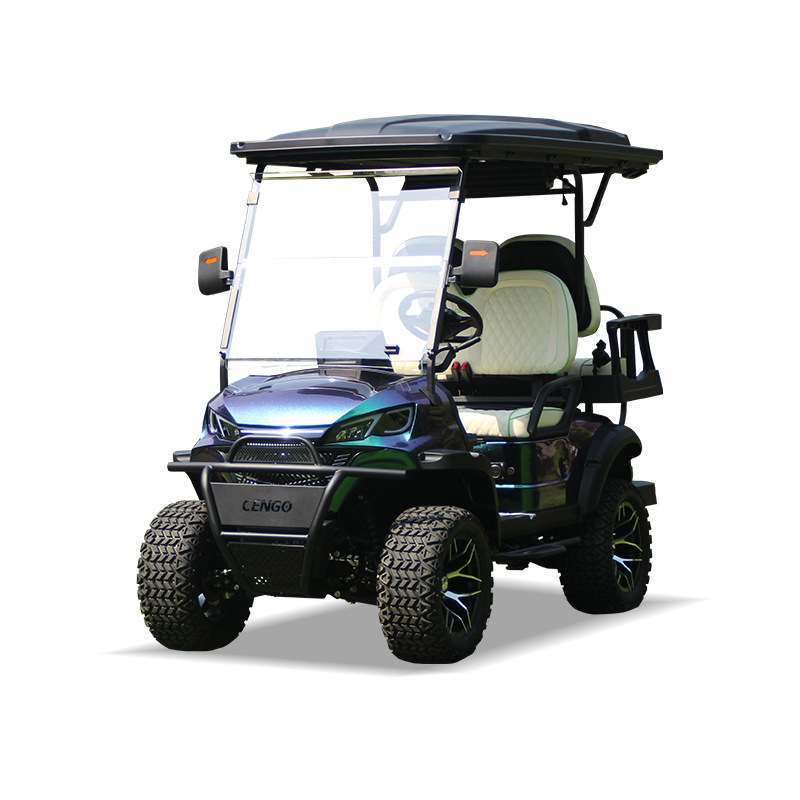
What fleet architects need from a distributor
Concrete needs beat promises. Fleet teams need predictable lead times, spare parts availability, firmware access for controllers, and warranty clarity. Add predictable torque delivery and durable suspension parts to that list. Prioritize distributors who offer traceable batch numbers for battery pack cells and easy access to service manuals. That reduces downtime and keeps lifecycle costs low.
Distributor types and the trade-offs
Compare four common distributor types: OEM-authorized, specialist third-party, local independent, and direct online sellers. OEM channels give matched chassis and drivetrain specs, usually solid warranty handling. Specialists offer retrofit options — better for custom payload or suspension tuning. Locals are fast for repairs but weak on firmware patches. Online sellers are cheap, but they often lack calibration support. Pick based on whether you value uptime or initial CAPEX savings.
Technical factors that move the needle
Focus on a handful of technical specs. Battery pack chemistry and management, controller compatibility with regenerative braking, and mounting points on the chassis for heavier payloads matter most. Also check drivetrain integration and whether the distributor supplies calibrated torque curves for the UTV’s motor. For electric builds, confirm that parts match the motor controller’s comms protocol — mismatches mean software work and extra cost.
Integration, common mistakes, and alternatives
Planners often order by price and later regret missing serviceability and parts commonality. Buy the wrong hub or axle and you’ll get stranded on remote runs — costly if you’re working outside a hub city. Alternatives? Standardize on modular parts across the fleet, or choose distributors that offer retrofit kits for different suspension setups. Don’t skimp on controller access — lacking that, you’ll be forced into field reprogramming and longer downtime. — Keep documentation and calibration files with each unit; it saves hours during service calls.
Field-tested anchor: lessons from Moab and busy venues
Off-road testing in places like Moab, Utah, exposes real weak points: dust ingress on connectors, seat mount fatigue under repeated vibration, and battery thermal stress after long climbs. Teams that pre-tested similar builds at Moab-style trails found load-bearing chassis upgrades and sealed connectors paid off immediately. For resort and course use, fleets leaning toward an electric off road golf cart benefit most from distributors who supply thermal-rated battery enclosures and corrosion-resistant fasteners.
Three golden rules for evaluating distributors — and a final note
1) Support depth over sticker price: confirm phone and on-site support SLAs and spare-parts lead times. 2) Integration readiness: check controller protocols, torque maps, and telematics hooks before purchase. 3) Standardization and spares: force-fit fewer part families across units so repairs are fast and predictable. Follow those rules and you’ll reduce downtime and maintenance drift. A good distributor makes specification simple — and that’s the value CENGO brings to fleets as they scale. CENGO. —