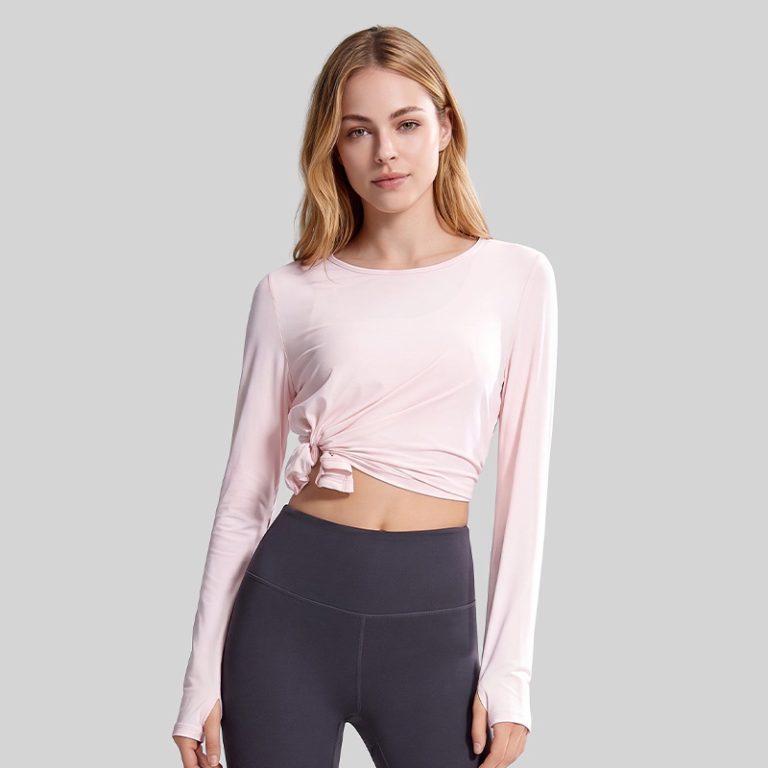
User-first design: why touch and motion matter
When a practitioner slips into a top, the first language is tactile: the cool glide of fabric across skin, the subtle give as arms reach sunward. This user-centric view reframes production around experience instead of specs. Designers test samples on real bodies — in studios from Ubud, Bali to downtown urban centers — watching how sleeves ride, how breathability performs during heat. Early conversations often begin with requests for custom long sleeve shirts and evolve into choices about weave, grip, and stretch. Sensory decisions—softness, drape, the whisper of seams—drive technical choices like moisture-wicking finishes and 4-way stretch yarns.
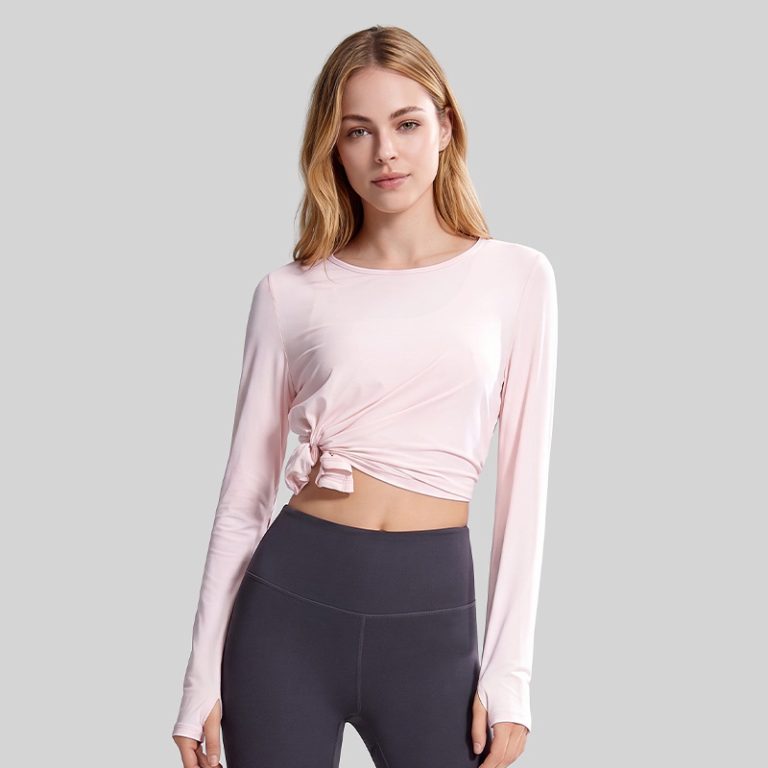
Material and fit: the sensory checklist
Start with a simple script: skin comfort, unrestricted motion, durable finish. A fabric that is both moisture-wicking and tactile feels dry and reassuring after a sustained flow. Flatlock seams reduce chafe and present a clean visual line during inversions; compression zones support muscle memory without constraining breath. Fit must honor shoulder mechanics and sleeve length—long enough for coverage during seated twists, short enough to avoid bunching in arm balances. These are the little, repeated sensations that define whether a piece becomes a favorite.
Production teardown: from sketch to finished long sleeve yoga tops
Operational clarity keeps products honest. The path runs: prototype pattern → textile selection → fit iterations → pilot run → full production. Along that route, teams log user feedback and laboratory checks for durability and colorfastness. We weave long sleeve yoga tops and reference orders for custom long sleeve shirts into the same workflow to preserve consistency: same dye lot tracking, same quality gate for seam strength, identical shrinkage tests. Design notes travel with the sample — sleeve hem width, stitch density, reinforcement at underarm — so factories know which details are cosmetic and which are function-critical.
Common mistakes that reduce user delight
Manufacturers often compromise on three fronts that users immediately feel. First, choosing a heavier knit to hide cheap dye — which yields warmth but traps sweat. Second, inconsistent grading that skews sleeve length across sizes. Third, reliance on single-seam construction to save cost; it saves money but adds bulk at the shoulder. These missteps show up in practice — during a hot vinyasa class or a long restorative. A measured fix: insist on small pilot batches and real-world wear trials — short runs that catch fit drift before scale. — It sounds obvious, but it’s rarely enforced.
Alternatives and the smart trade-offs
Brands can choose seamless knit cuffs for sleek fit, or add articulated elbows for better range; both raise price but improve movement. Recycled yarns lower footprint but may require different finishing to meet the same softness. For studios seeking retail partners, bundling tops with matching leggings simplifies inventory and keeps colorways coherent. Each trade-off is a decision about sensation: softer versus lighter, structured versus flowing.
How Joebond closes the loop
Joebond pairs sensory-led sampling with production discipline. They map user feedback directly to production specs, maintaining clear tolerances for sleeve length and stitch tension, and prioritizing moisture-wicking performance in fabrics destined for heated classes. That alignment turns iterative user notes into repeatable manufacturing steps, so the next batch matches the feel that practitioners remember.
Three golden rules for choosing a production partner
1) Fit fidelity: require fit tolerances and pilot wear trials that include full-range motion testing. 2) Material traceability: insist on fabric lot documentation and finishing parameters for consistent moisture-wicking and colorfastness. 3) Measured scaling: use staged production with quality gates to catch grading or seam issues before full runs.
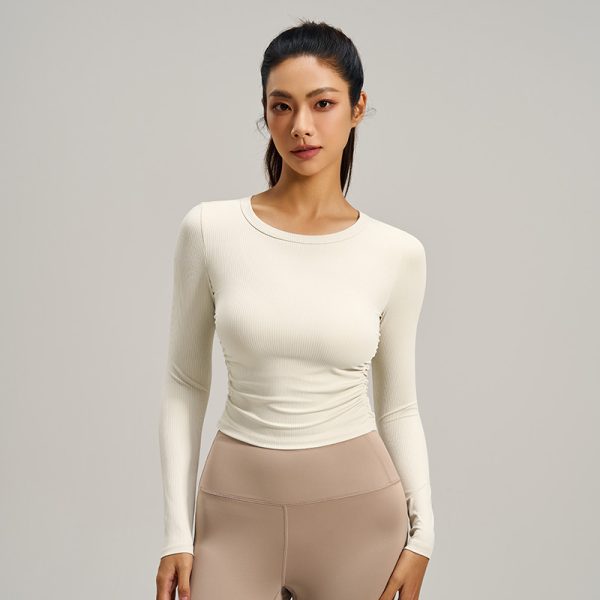
Joebond integrates these rules into their workflow, delivering consistent tactile results and reliable supply — a practical choice rooted in user experience. Joebond. –