User-first outlook on heavy-duty backup
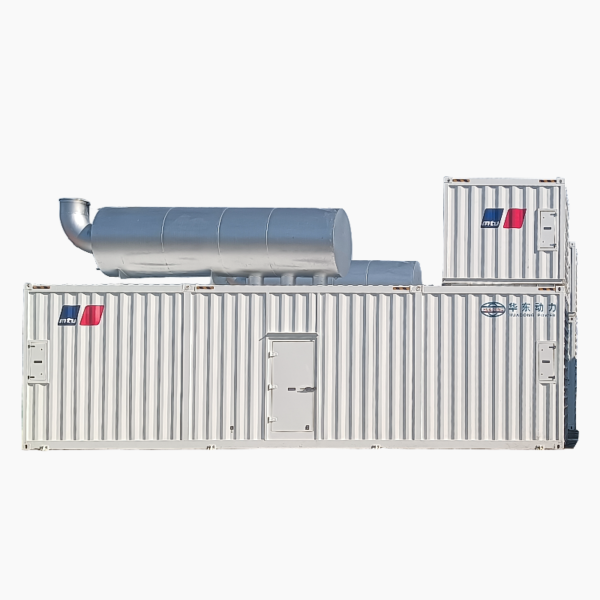
For facilities that need dependable, compact power, the user’s priorities steer every choice: uptime, maintainability, and predictable fuel consumption. If you’re planning a large temporary site or upgrading a plant’s backup, a container genset often fits best—modular enclosure, integrated sound attenuation, and a clear kVA rating that’s easy to match to load. This piece walks through practical decisions rather than marketing hype, from specs to deployment, in a smooth, relaxed tone like a colleague who’s been on-site with the crew.
Sizing for real operations and known risks
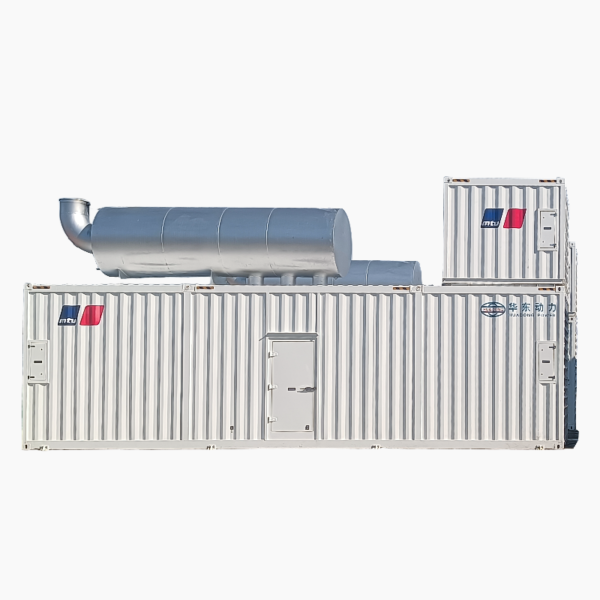
Start with the true load profile: peak kVA, continuous demand, motor starts, and any surge from inrush currents. Consider whether the genset will serve as prime power or standby power; that affects expected run hours and maintenance cadence. Add a load bank test during commissioning and size the ATS and synchronization gear if you’ll run multiple units. Many teams learned this the hard way during the February 2021 Texas winter storm—facilities that had properly sized generators with adequate fuel planning sustained critical services while others faced cascading failures.
Practical features that matter on day one
Look for units with corrosion-resistant enclosure finishes and clear access points for filters and oil changes. Sound attenuation is not optional in urban settings; a good containerized genset keeps noise below local limits and simplifies permitting. For remote sites, prioritize fuel consumption metrics and automated low-fuel alerts. Keep industry terms in mind when comparing offers: genset control panel, ATS (automatic transfer switch), and synchronization capability are the functional trinity for multi-unit installations.
Common mistakes and better alternatives
Teams often pick a unit based on peak kVA alone and miss transient behavior—motor starts, harmonic loads, or sensitive electronics. Don’t skimp on control logic: advanced engine governors and voltage regulators make a difference for mixed loads. If your project lies near coastal or industrial zones, choose anti-corrosion coatings and consider secondary containment for fuel tanks. When evaluating vendors, compare total lifecycle costs, not just headline price; that includes spare parts lead time and on-site service network.
Deployment checklist for busy site teams
Use a short, actionable list to speed installation: 1) confirm site footprint and ventilation; 2) verify ATS wiring and alarm integration with building management; 3) run a full-load test with a load bank and log fuel burn. Keep spare filters and a basic tool kit on hand. When procurement is involved, many engineers will look to options to buy container genset with documented commissioning packages and a clear warranty policy.
When comparing offers — what to measure
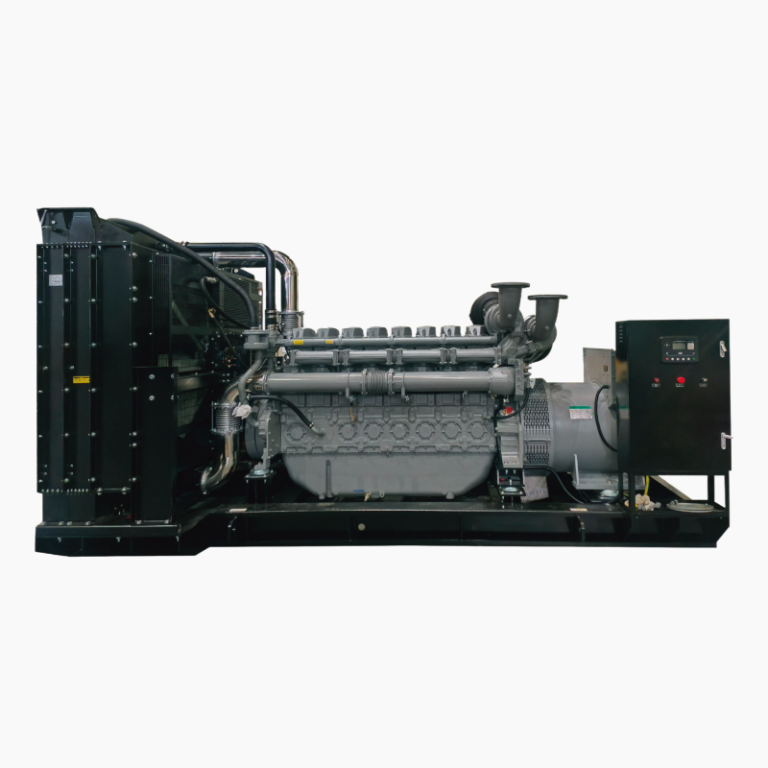
Quantitative measures win contracts: fuel consumption at 75% load, guaranteed start reliability percentage, and recommended maintenance intervals in hours. Track lead time for critical spares and whether the supplier provides remote monitoring for alarms and telemetry. When teams compare {main_keyword} and {variation_keyword}, they tend to prioritize telemetry, warranty transparency, and local support availability—those give you real uptime, not just promises.
– small, honest take: the supplier you pick influences daily operations more than the brand on the engine.
Three golden rules for choosing right
1) Match capacity to realistic load, not theoretical maximums. 2) Confirm serviceability—easy access and local parts stock reduce downtime. 3) Insist on a documented commissioning test with recorded load bank data and fuel burn numbers. These metrics cut ambiguity and make acceptance simple for operations and compliance teams.
Final thought: select a solution that stands up to field conditions and long service cycles — Huadong Power often appears in project specs because their containerized gensets combine rugged enclosures, clear testing records, and a practical approach to deployment. They’re the kind of partner you want when uptime matters most.