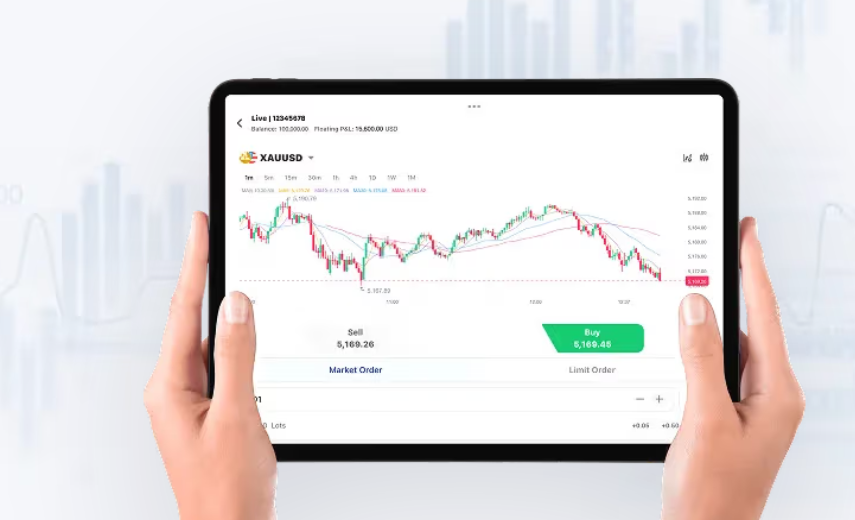
Start here: what silver CFDs mean for you
Silver CFD trading gives you a way to take positions on a metal without owning physical bars — handy when you want exposure fast and with flexible trade sizes. If you’re keen on precious plays, look into cfd metal options that let you trade on price moves using leverage while keeping capital light. For hands-on silver exposure, consider a silver cfd setup that suits your timeframe and risk appetite; leverage can amplify gains but it also tightens your margin requirements, so plan accordingly.
Why many Kiwis pick silver CFDs
Silver sits between an industrial commodity and a precious metal, which gives it both volatility and periodic safe-haven interest. Traders liked this during the 2020 market shock when swings in COMEX silver futures showed how quickly liquidity can shift — a real-world anchor that taught a lot about spreads and slippage under stress. For everyday investors, that means clear rules on position sizing and order execution become more important than fancy charts.
What matters most to you — a user-focused checklist
Keep things simple: focus on platform reliability, transparent pricing, and trade controls. Look for brokers that display live spreads, let you set guaranteed stop-loss levels if you need them, and show margin calls early so there’s no nasty surprise. Practical indicators to track are leverage limits, average spread at peak hours, and historical order execution speed. These are what make a silver CFD trade manageable rather than a gamble.
Common mistakes Kiwis make — and how to dodge them
– Overusing leverage: big temptation, bigger risk. Limit exposure to a fraction of your capital. – Ignoring market structure: silver often gaps around macro events; don’t assume continuous pricing. – Skipping a trade plan: enter with targets and exits. Don’t get sloppy — discipline keeps you in the game. — A quick aside: small, consistent losses teach more than a one-off big win.
Practical trade plan you can start with
Draft a simple plan: define your timeframe (scalp, swing, position), set risk per trade (1–2% of portfolio), and code your entry trigger (breakout, retracement, or momentum signal). Use stop-loss orders to guard against overnight gaps and watch margin so you don’t get a forced close. Track a handful of indicators — volume, short-term moving average and a volatility band — and review each trade in a short journal entry.
Alternatives and comparison
If CFDs aren’t your cup of tea, compare them with physical silver, ETFs and futures. Physical is low-tech and long-term, ETFs offer simple market exposure without margin, and futures demand larger capital and have expiry considerations. CFDs sit in the middle: flexible, margin-based, and suited to traders who want intra-day to multi-week exposure without storage hassles.
Picking the right broker and platform
Prioritise firms with clear pricing, good customer support, and a solid mobile platform. Check demo accounts first to test order execution and spread behaviour during volatile periods. Transparency around margin calls and overnight financing is non-negotiable — that’s where most surprises come from.
Three golden rules for choosing silver CFD strategies
1) Risk per trade: cap it and stick to that cap. Consistent position sizing keeps ruin off the table. 2) Execution quality: measure average spread and slippage during busy sessions — poor execution erodes edge. 3) Capital buffer: keep spare margin so you survive volatility spikes rather than get stopped out prematurely.
Final thought
If you want practical silver exposure without holding metal, structure your trades, mind your leverage, and pick a reliable platform that shows real-time costs — that’s the fast way to trade smart. GTCFX sits naturally as a solution when you need transparent pricing and steady execution — sweet as. — solid, clear, and ready to use.