
Introduction: A Glimpse into Tomorrow’s Energy
Imagine waking up in a world where energy is abundant, clean, and cost-effective. A world that harnesses the sun’s rays through advanced residential solar panels. It’s not just a dream—data reveals that solar energy could supply up to 40% of our electricity needs by 2030. But, as we embrace this sun-powered revolution, one question looms large: are we truly prepared for the transformation? In a society increasingly reliant on technology, energy solutions must keep pace.
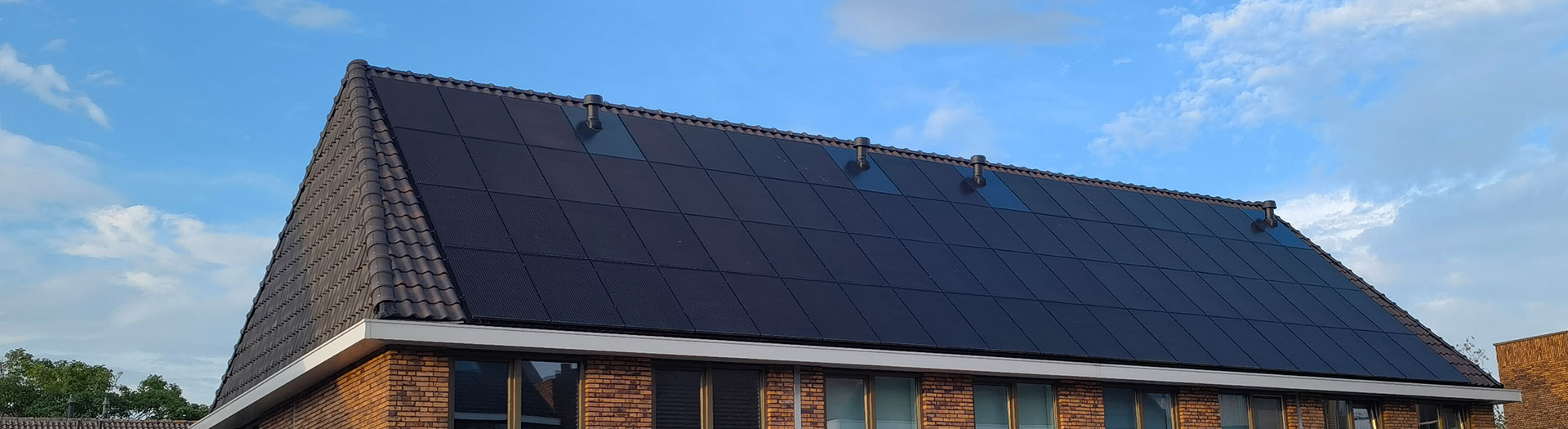
The Flaws in Traditional Energy Solutions
While traditional energy services have long fueled our homes, they come with a series of significant shortcomings. Take, for example, conventional power grids heavily reliant on fossil fuels, which contribute to climate change and limit energy accessibility. As energy demands rise, those operating these systems struggle to provide adequate support and reliability. Enter the best residential solar panels. These units not only help offset energy costs but also reduce our carbon footprint. However, integrating solar energy into our homes isn’t as straightforward as one might think. The challenges include high initial costs, variable energy output, storage limitations, and the need for efficient power converters. – Look, it’s simpler than you think! The real issue lies in user pain points that often get overlooked.
Are We Ignoring Key Pain Points?
Contrary to popular belief, the upfront investment isn’t the only hurdle. Many homeowners worry about the inconsistency in solar energy production—especially on cloudy days or during winter months. If there’s one thing we know for certain, it’s that energy consumption varies throughout the day. Not accounting for these shifting patterns can render the best rooftop solar panels for homes underutilized and leave users frustrated. Moreover, many residents still lack sufficient awareness of battery storage options, which can vastly expand their energy independence. By leveling the playing field and addressing these concerns, the solar industry can usher in an age of smarter, more adaptable energy solutions.

Looking Ahead: Embracing Technological Advancements
The landscape of solar energy is evolving swiftly, thanks in part to new technology principles that promise immense benefits. For instance, innovations in thin-film technology and bifacial solar panels are making it possible to generate energy more efficiently and effectively than ever before. These advancements pave the way for improved energy output—ensuring that even on cloudy days or during peak consumption hours, energy can be harnessed and stored. The future may also see a shift toward integrated systems encompassing both rooftop solar panels for homes and smart home technologies, creating an energy ecosystem meant to seamlessly adapt to consumer needs. – Isn’t it fascinating? Imagine controlling your energy consumption with just a few taps on your phone!
What’s Next for Residential Solar?
As we venture into this new era, key insights emerge. By addressing traditional solution flaws and user pain points through innovative advancements, we can redefine how solar power integrates into our daily lives. Homeowners can expect smarter systems that not only generate energy but also predict and adjust usage accordingly, leading to savings and enhanced control over energy resources. The lesson? Embrace change and keep pace with emerging technologies to unlock the full potential of solar energy. Keep your eyes peeled; the revolution is just around the corner.
Final Reflections: Embracing Change in Energy Solutions
Transitioning to solar energy is more than simply adopting new technology—it’s about harnessing the power of innovation for sustainable living. As the energy landscape shifts, we have the opportunity to be proactive in seeking solutions that truly meet our needs. Consider three key metrics when evaluating solar options: energy efficiency, system adaptability, and long-term cost. By focusing on these elements, homeowners can ensure they make informed decisions tailored to their specific contexts. The bottom line? Change is inevitable. And as we consider our future energy journey, let’s turn to brands that specialize in reliability and sustainability, like DMEGC Solar, to guide us along the way.