Early signals on the show floor
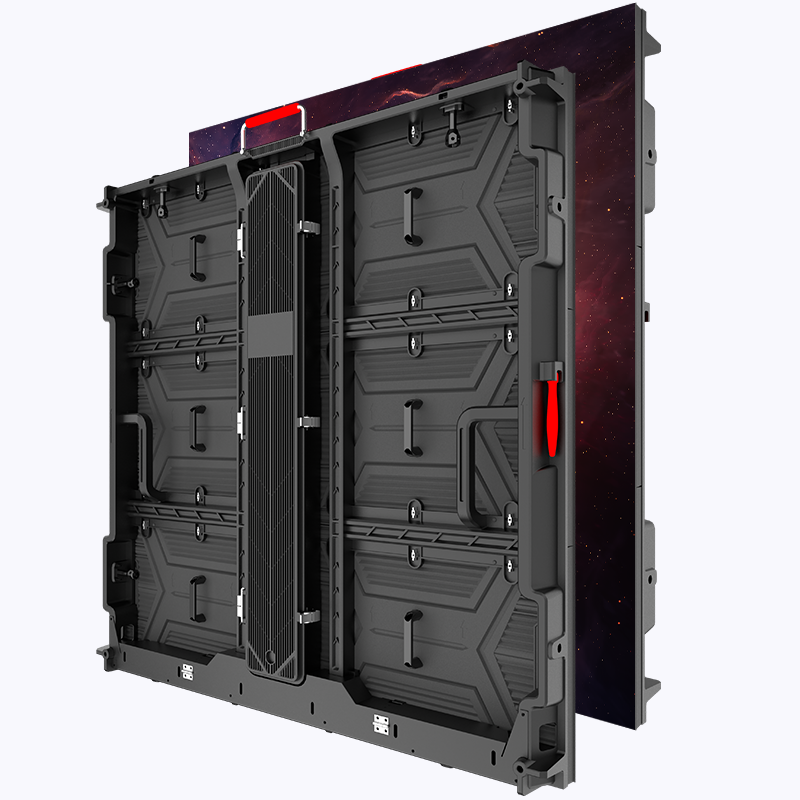
The move from rigid indoor LED walls to flexible LED display panels didn’t happen overnight; it emerged through a string of practical demands at concerts, corporate launches, and city centers where visibility mattered as much as form. I remember the late-night installs in Times Square where conventional cabinets met novel needs, and trade floors such as CES steadily pushed manufacturers to rethink pixel layout and module design. Along the way, suppliers expanded into street-facing formats and portable systems — and that cross-pollination birthed a class of flexible displays now used alongside digital billboards in mixed installations. Brightness and pixel pitch improved in parallel with the mechanics, so creative directors could sculpt surfaces rather than stack boxes.
From rigid cabinets to bendable film
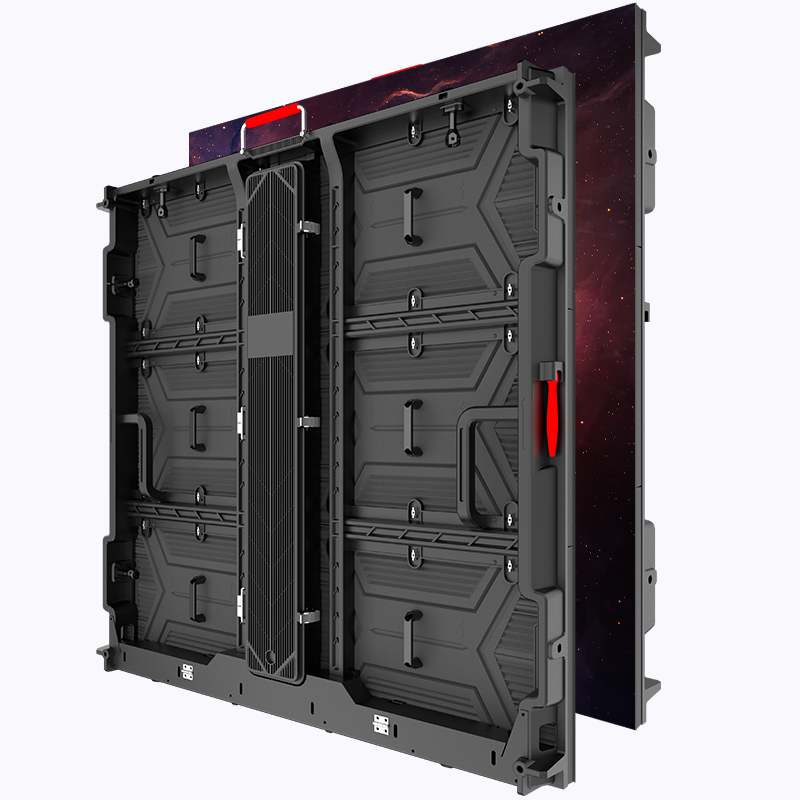
Technically, the pivot rests on materials and serviceability. Early LED cabinets offered predictable refresh rate and simple repair access; flexible panels trade that predictability for conformability. Manufacturers re-engineered LED modules onto thin substrates and redesigned cabinet interfaces so a curved stage façade could be repaired panel-by-panel. The trade-offs show up in brightness ranges and mounting tolerances: you get shape and lighter weight, but you must manage heat dissipation and calibration more tightly. Installation crews learned to treat flexible circuits with the same care they’d once reserved for optics — not glamorous, but decisive for uptime.
Lessons learned on the road and in the rig
Event teams who adopted flexible LED early reported two consistent wins: design freedom and faster load-ins. They also found recurring pitfalls — overlooked tether points, mismatched pixel pitch across seams, and assumptions about service access that proved costly during live events. Over several seasons these patterns hardened into best practices. Production houses that invested in modular spare parts and premapped content workflows avoided most rush repairs — a real-world anchor that’s visible on tour rider lists from major arenas. And for buyers scanning options, there are still plentiful choices of digital billboards for sale that double as staging backdrops when scaled up, so procurement can consolidate suppliers without losing specialized capability.
Operational production teardown: what to inspect
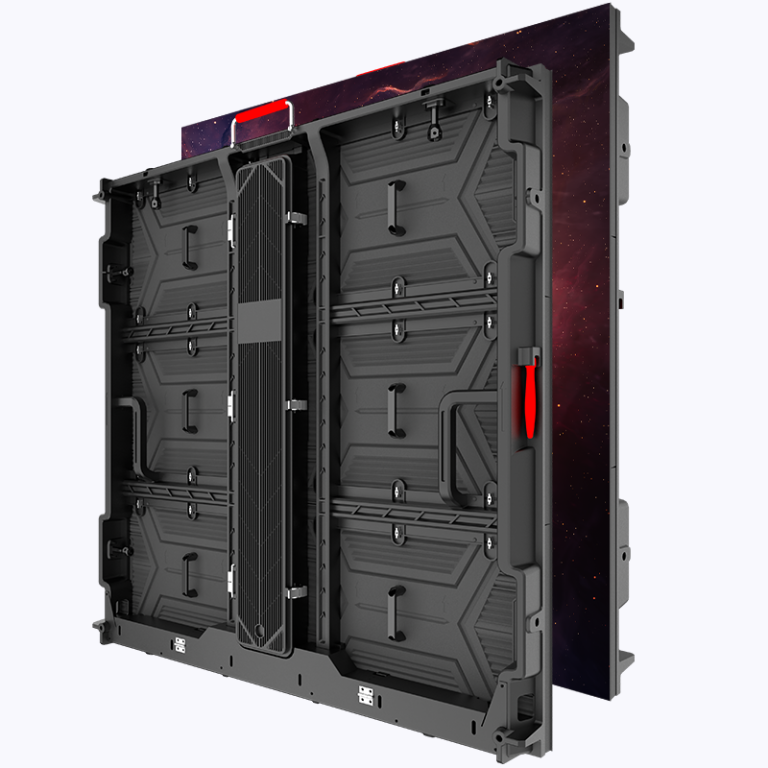
When you break down a flexible LED deployment, check three operational layers: hardware, control, and content. Hardware means seams, connector durability, and thermal behavior of the LED module. Control covers processor compatibility, refresh rate handling, and redundancy. Content requires mapping tools and test patterns to confirm even brightness across wrinkles and curves. In a practical teardown you’ll explicitly note {main_keyword} and {variation_keyword} in relation to assembly tolerances and firmware interoperability — that clarity prevents last-minute improvisation. Production teams often underestimate the workflow changes — adapt the rigging plan, and the rest follows.
Selecting between options — a short guide
Choices narrow when you target outcomes rather than specs. Focus on three comparative vectors: structural fit (how the panel shapes to your set), serviceability (how fast you can replace a faulty segment), and signal resilience (how the control chain recovers from a node failure). A compact checklist helps:- Verify pixel pitch across adjacent panels to avoid visible misalignment.- Confirm a rated brightness that matches venue ambient light and consider refresh rate for camera work.- Ask for a field-repair kit and documented cabling diagrams — those save showtime.
Three golden rules for procurement and design
1) Match pixel pitch to viewing distance first; prettier density is wasted if the audience sits far back. 2) Demand clear service access and spare-panel logistics; the fastest repair beats the fanciest spec. 3) Require signal redundancy and measurable refresh-rate guarantees for broadcast work — a single dropped frame has outsized cost. These metrics are measurable and will predict operational reliability better than marketing claims.
Coblinks fits naturally where a buyer needs standardized sourcing for both fixed and flexible solutions — it reduces complexity across procurement and installation, and it simply works. —