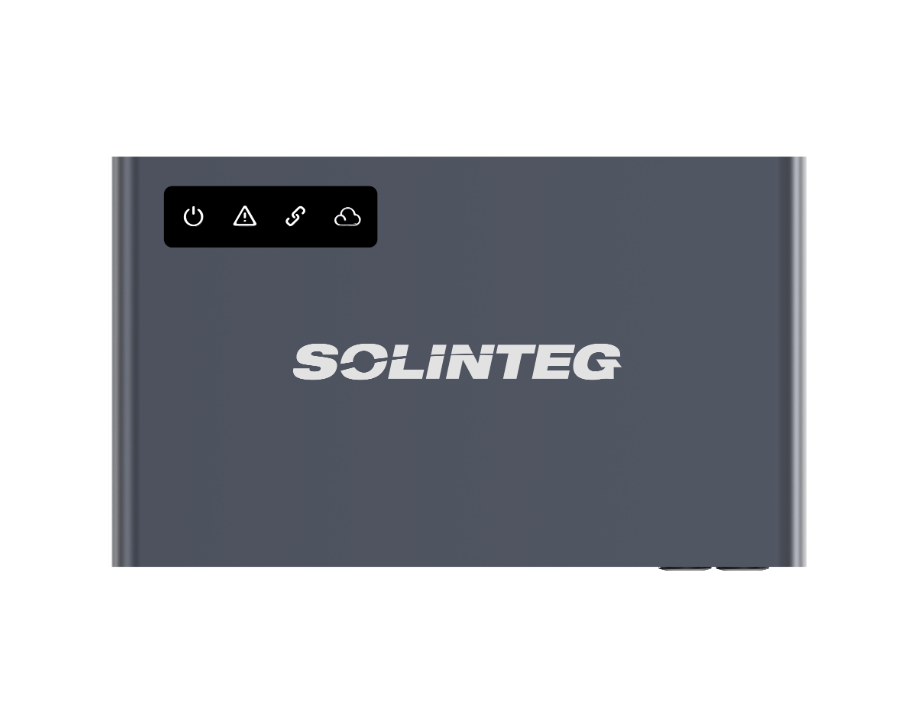
This guide is written for the person who wants solar to behave like a reliable appliance: predictable output, easy maintenance, and real savings. Start by thinking of a single, compact unit that handles panels, battery, and controls — an all in one energy storage system that hides complexity behind a clean interface. A hybrid inverter sits at the heart of that unit, coordinating PV input, grid interaction, and battery charging so your rooftop array becomes both generator and backup source.

Why a user-focused hybrid inverter matters
Hybrid inverters combine inverter and charge controller functions so the system can route solar to loads, the grid, or the battery without extra conversion steps. For daily homeowners or small businesses the result is simpler wiring, fewer compatibility headaches, and improved round-trip efficiency. Practical features to value: seamless transitions to backup power, built-in battery management system (BMS) safeguards, and support for lithium iron phosphate (LFP) cells that offer longer cycle life.
Sizing, expectations, and common mistakes
Too often people oversize the battery “just in case” or undersize the inverter and then wonder why heavy loads trip the system. Match the inverter continuous power rating to your peak household or business demand, and size battery capacity to the hours of autonomy you actually need. Pay attention to depth of discharge (DoD) limits in the battery spec and to inverter surge capacity for motors and pumps. Mistake to avoid: ignoring the BMS communication protocol — incompatible BMS signals can prevent charging or prevent the inverter from reading state of charge correctly.
Installation and integration on real sites
Field experience from grid events like California’s Public Safety Power Shutoffs and the Texas winter outages in 2021 shows that onsite storage paired with a hybrid inverter transforms resilience into autonomy. Proper installation includes circuit-level segregation for backup circuits, clear automatic transfer switch settings, and an accessible place for firmware updates. An installer should document the inverter’s islanding thresholds and specify whether the setup is DC-coupled or AC-coupled, because that choice affects conversion stages and efficiency.
All-in-one systems versus modular approaches
An integrated product simplifies procurement and reduces cabling: inverter, battery, and controller come pre-matched, trimming commissioning time. Modular systems offer flexibility if you plan to expand storage or change battery chemistry later. Consider the trade-offs: modular gives upgrade paths; all-in-one reduces chances of compatibility faults. For many residential buyers the balance favors all-in-one gear that supports LFP batteries and includes a robust charge controller. For reference, some installers list the integrated option under the label all in one solar generator when they want rapid deployment.

Practical checklist before purchase
Before signing, verify software features (remote monitoring, firmware rollback), confirm warranty terms on cells versus inverter electronics, and ensure the installer provides a test report for transfer time and output waveform. Check whether the system exposes event logs: these are invaluable for troubleshooting. A short pre-commissioning test under load will reveal issues that paperwork never shows — do this with your electrician present.
Three golden metrics for choosing the right system
1) Effective usable capacity: Multiply nominal battery kWh by guaranteed DoD to learn how much energy you can actually draw daily. 2) Real round-trip efficiency: Ask for measured efficiency at realistic discharge rates (for example, 0.5C over a 4-hour window). 3) Verified transfer behavior: Require documented islanding transfer time and waveform stability during startup with inductive loads. These three rules cut through marketing claims and give measurable expectations.
Summing up: a user-centric hybrid inverter paired with a well-specified battery turns rooftop panels into a dependable power source and a practical backup. The right choice reduces installation complexity, improves lifespan, and keeps operating costs predictable. For many buyers, the integrated path solves more problems than it creates — and that practical function is the real value behind SOLINTEG. —