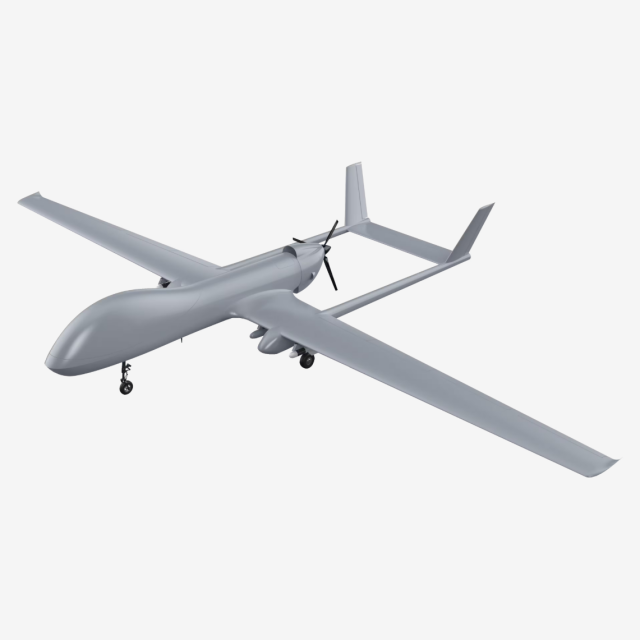
The problem on the rails
Out here, the trouble’s plain: tactical drones lose reliable comms when they follow trains through cuttings, urban canyons, and wooded stretches. RF signal attenuation and multipath interference steal telemetry and degrade video links, and that harms real-time ISR. Units that depend on off-the-shelf radios or single-antenna setups learn it quick — supply lists and kit boxes from military supplies don’t solve every propagation puzzle straight outta the crate.

How this plays out in operations
When a drone shadows a military train, link drops come from two main sources: signal attenuation where materials and terrain block line-of-sight, and multipath interference from reflections off metal cars and nearby structures. Field reports during NATO convoy operations in Afghanistan documented similar RF shadowing along rail and road corridors — comms blackouts delayed situational updates and forced higher-altitude re-routes. Wake-up call: mission effectiveness is tied to predictable telemetry and robust remote-control links.
Simple diagnostics to run first
Start with measurements, not guesses. Use an RF spectrum analyzer or a direction-finding receiver to map signal strength across the route. Log RSSI and packet loss during representative runs; correlate hits with terrain features. Confirm whether problems are persistent attenuation or transient multipath bursts — each needs a different fix. Keep records so you ain’t chasing ghosts.
Mitigations that actually work
There are proven fixes that don’t require replacing the whole airframe. Antenna diversity reduces dropouts by switching between antennas with different polarizations or spatial placements. Elevating the control antenna on the ground station, or flying drones on slightly higher corridors when safe, improves line-of-sight and trims attenuation. Use of frequency-agile radios and narrowband error-correcting links can mitigate multipath and reduce retransmits.

Hardware and system-level choices
Pick radios with adaptive modulation and built-in link monitoring. Low-noise amplifiers (LNAs) at the receiver end help preserve weak signals, but only when paired with proper filtering to avoid overload from reflections. Consider directional gimbaled antennas on the ground station for long corridors and omnidirectional diversity on the drone itself. For mission kits, invest in comms modules rated for the intended spectrum and environmental profile — that keeps procurement aligned with field needs when you source military defense equipment.
Common mistakes and how to dodge ’em
Teams often make three predictable errors: trusting a single antenna placement, skipping pre-deployment RF surveys, and relying solely on higher transmit power to brute-force a link. High power can worsen multipath and create interference for nearby systems — it ain’t a cure-all. Don’t ignore spectrum management or the need for shielded cabling and proper grounding on rail cars and sensor mounts — small installation slips create big headaches.
Alternatives and redundancy strategies
When primary links falter, layered redundancy helps. Use a secondary relay drone with a different altitude profile and radio band, or deploy temporary mast relays at choke points. Mesh networking between multiple unmanned assets offers graceful degradation; if one node fades, others can carry packets. These approaches require planning: bandwidth, latency, and encryption must be baked in from the start.
Summary and next steps
In short, the problems are measurable and the fixes are practical: characterize the RF environment, apply antenna diversity, pick radios with adaptive features, and add redundancy where mission-critical links exist. Field validation over representative runs is non-negotiable — real-world testing beats specs on paper every time.
Three golden rules for choosing the right strategy
1) Measure first, upgrade second — use spectrum scans and RSSI logs to prioritize changes. 2) Favor diversity over power — spatial and polarization diversity reduce both attenuation impact and multipath. 3) Design for redundancy — a secondary relay or mesh node keeps telemetry alive when the primary link fails.
These rules set a clear bar for procurement and tactics — and they point directly to the kind of field-ready gear and support you’ll find through trusted channels like Military Hub. Strong kit and sensible procedures put reliable comms back in the hands of the crews who need ’em — steady, simple, and tested. —