Introduction: comparative lens and practical anchor
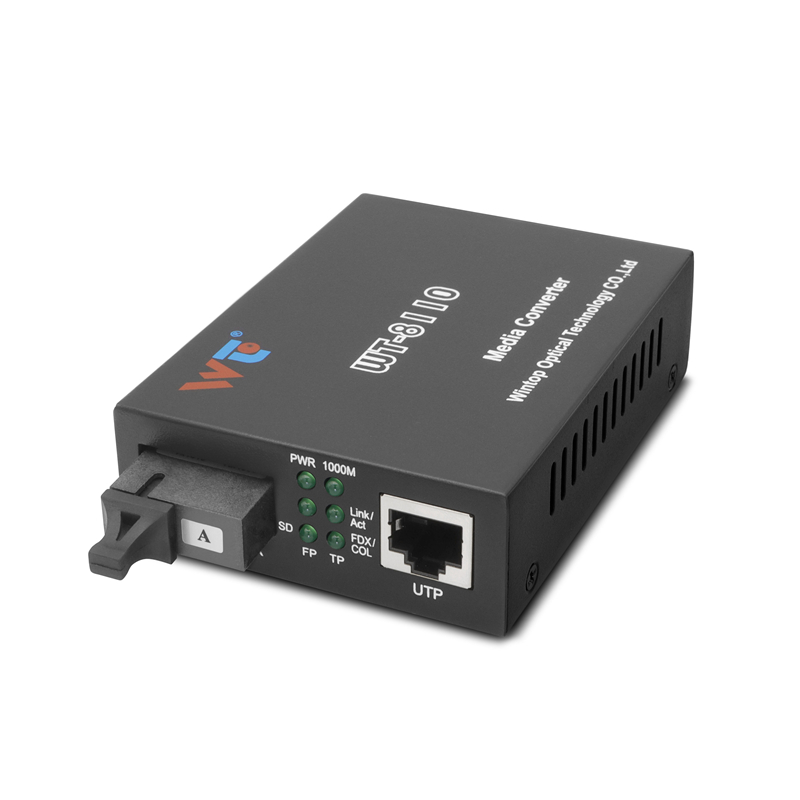
Adopting a comparative approach clarifies which media converter best integrates with legacy multi-mode fiber runs. Many organisations in Dubai Internet City and similar campus environments retain multi-mode fiber links that demand careful matching of transceiver types and connector families; this article therefore begins by comparing options and trade-offs for those exact constraints. For immediate hardware reference, consider a proven gigabit fiber media converter that supports multi-mode interfaces and standard SFP slots.
Key dimensions for comparison
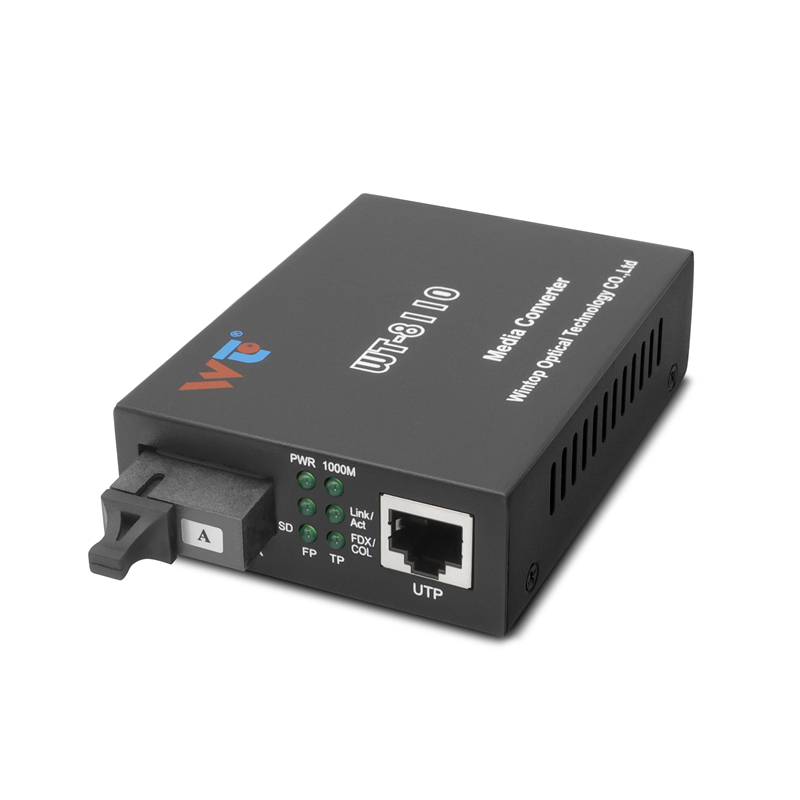
Selection rests on three measurable dimensions: physical compatibility, optical performance, and operational cost. Physical compatibility covers connector format (LC connector, SC) and chassis or standalone form-factor. Optical performance examines link budget, modal bandwidth and wavelength matching between the existing multi-mode fiber and the new fiber transceiver. Operational cost includes initial unit price, spare-module policy, and mean time between failures (MTBF) expectations. A comparative table is useful here — but the decisive metric is not price alone; it is whether the adapter preserves guaranteed reach and error rates over the installed plant.
Port types and module interoperability
Many engineers face a simple mismatch: an installed multi-mode trunk using LC connectors versus a converter that expects SFP modules with different optical parameters. Choose converters that allow SFP roll-in modules to provide flexibility. Where native SFP slots exist, an SFP-based approach reduces replacement work; alternatively, fixed-port converters can be correct when budget or space is constrained. Ensure the chosen unit supports the exact SFP/sfp module footprint and pinout used by your switch — otherwise, transceiver recognition and link negotiation will fail.
Optical parameters that matter
Do not assume all multi-mode fiber behaves the same. Modal dispersion, the effective bandwidth of the fiber, and distance determine whether a 850 nm VCSEL SFP or a longer-wavelength option is required. Link budget calculations must include connector loss, splice loss and a safety margin. For campus links under 300 metres, a standard 1000BASE-SX SFP often suffices; beyond that, consider optimized SFPs for extended reach or a pair of wavelength-optimized media converters. These choices affect latency, error performance and future-proofing.
Common mistakes and practical alternatives
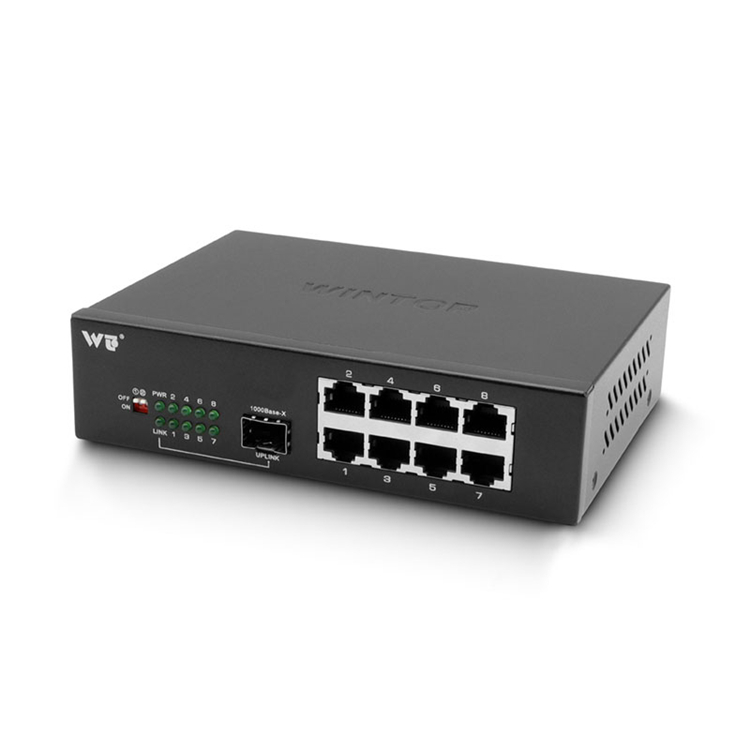
Several recurrent errors appear in procurement and deployment. First, buying single-mode SFPs for a multi-mode plant — which yields no operational link. Second, ignoring duplex versus single-fiber requirements. Third, neglecting managed features where monitoring is needed. A practical alternative is to spec a hybrid approach: deploy gigabit sfp media converter modules where SFP flexibility is required, and reserve economical fixed converters for non-critical links. — A measured inventory of SFP types can reduce field swaps and expedite repairs.
Installation and verification checklist
Follow a concise verification sequence: verify fiber type and connector; confirm SFP optical specifications match modal bandwidth and wavelength; measure insertion loss; validate link negotiation at 1 Gbps; run a short error-check with a traffic generator or simple frame ping. Use LC-cleaning best practices to prevent connector contamination; contamination remains one of the most common causes of intermittent faults in multi-mode links.
Advisory close — three golden rules for selection
1. Match optical physics first: ensure SFP wavelength and modal specifications align with the existing multi-mode fiber and required reach. This protects link budget and packet integrity. 2. Prioritise modularity: prefer converters with SFP sockets when future migration or varied transceivers are likely; modular units reduce spare inventory. 3. Validate operational telemetry: select devices offering basic management or status LEDs sufficient for fault isolation on busy campuses.
These rules produce measurable outcomes: fewer truck rolls, predictable link behaviour, and a clearer replacement path for single‑mode migration. For many regional enterprises, that clarity is the difference between prolonged outages and simple field swaps. WINTOP. —