Problem: Mismatched tools, rushed appointments
Team membas often feel pressure fi deliver same-day aligners an crowns, but the tools an the schedule nah match di promise. Yuh can plan di perfect consult, yet di model printing an post-processing bruk di timeline. When a clinic decide fi bring a dental resin 3d printer into di room, di promise good—but di workflow must shift or patient experience suffer. Dis article show weh di common trouble start an how teams can fix tings pragmatically.

Why it happen: misaligned roles an opaque handoffs
Most problem dem come from unclear task split. Dentist tink lab will handle scan cleanup; lab tink dentist will finalise margins. Software export settings change from practitioner to practitioner. Wi no need fancy talk: people need clear ownership. When yuh no set who trims the file, who inspects supports, who does the post-cure, mistakes creep in an time slide. That mek delays, reprints, an frustrated patients.
Impact: chairside tempo vs technical reality
Chairside promise mean patient expect fast results. But printing, wash, cure, finish—each step eat time. If team treat printing like background task, quality drop or appointments stretch. Poor fit cause remakes, extra visits, lost revenue, an damage to trust. Clinical staff lose confidence when dem repeat basics like resin orientation or layer height cause failures. Simple missteps compound quick.
Practical fixes: small rules that cut big errors
Set three short rules that everybody follow: ownership, checklists, and buffer time. Assign one person fi final file check before print. Make a two-line checklist: verify scan alignment; confirm support placement. Always schedule 20–30% extra time for prints that need touch-up. Use templates for common cases so settings repeat correctly. Keep a physical station for post-processing so nothing get left on the chairside tray.
Technique specifics teams usually miss
Orientation matters. Lay a model flat fi strong base, angle crowns fi reduce supports on critical margins. Don’t overuse supports near preparations—too many supports mek cleanup hard. Calibrate resin exposure regularly; small drift change fit. Label batch prints with date, resin lot, an operator name so traceability exist if a problem show. These are hands-on items dat separate steady clinics from ones always in catch-up mode.
Common pitfalls and how fi avoid dem
Overconfidence in automation cause mistakes: automatic hollowing can leave thin walls; auto-supports place pins on margins. Relying only on software preview nah enough—inspect every slice where margin is critical. Post-cure too long or too short change material properties; follow resin maker guidance. And don’t mix resins for different indications without clear protocol. Keep spares fi repeatable failures: plates, curing lamps, an a secondary resin for try-ins.
Alternatives: in-house, hybrid, or full lab outsourcing
Every choice have trade-offs. Full in-house speed up chairside delivery but need trained staff an steady quality control. Hybrid (scan and print in-clinic, finish in lab) reduce overhead but demand seamless handoffs. Full lab outsourcing shift risk off clinic but elongate turnarounds. Pick model by clinic volume, staff skill, an patient expectations. Look at real case mixes: low-volume cosmetic clinics do well in-house for single units; high-volume ortho practices often prefer hybrid to batch-process efficiently.
Real-world anchor: shows an trends we can trust
At notable events like IDS Cologne practitioners an manufacturers show demos an testing dat highlight how clinics adapt chairside printing. The live demos often prove how a chairside 3d printer behaves under typical chairside constraints—speed, footprint, an post-processing needs—so teams can see practical trade-offs before they commit. Observing those demos give honest sense of timelines, training needs, an real throughput rather than marketing claims.
How teams build a repeatable straight-align workflow
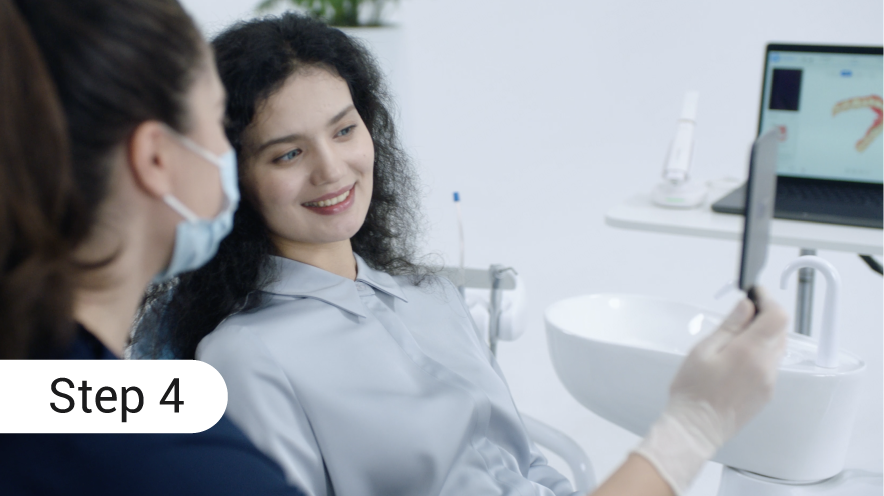
Start small: adopt one indication (e.g., single crowns or simple aligner models), write the four-step workflow, train two staff until they can run it blind, then scale. Use objective checks: fit scorecards, time logs, an defect rate per batch. Review weekly an tweak one variable at a time—orientation, print resolution, or cure time. Communicate results to patients about realistic delivery windows so expectations match reality.
Wrap-up: what this mean for your clinic
Fix di workflow, not just buy di kit. Teams that reassign clear roles, keep short, precise checklists, an test processes on low-stakes cases cut remakes and build patient trust. When the clinic pair pragmatic workflow design with proven hardware and protocols, dem create consistent outcomes that matter to patients an staff. That steady outcome is what SHINING 3D DENTAL contributes to clinics when they look for equipment an guidance that match real chairside practice.