Straight talk up front
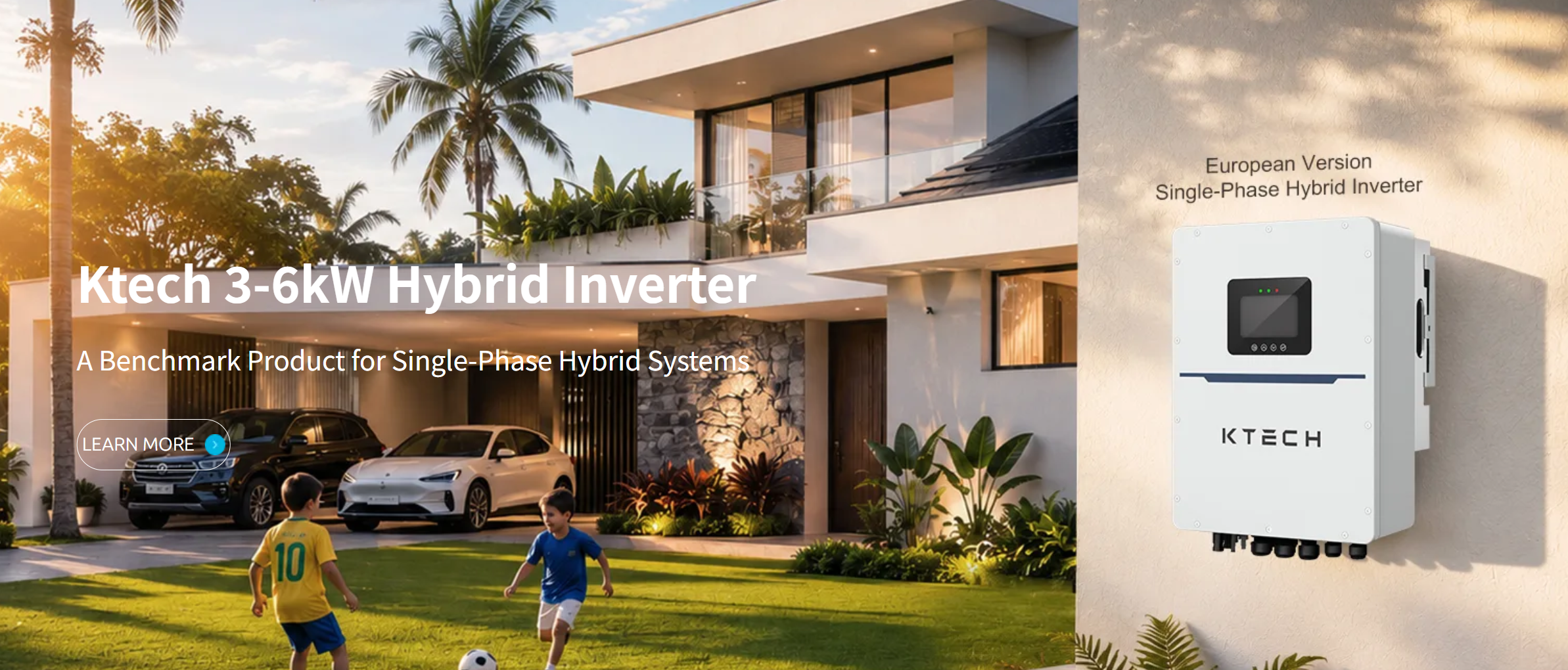
You’re weighing two similar-sounding choices and want a clear difference — that’s sensible. A hybrid solar system typically refers to the whole setup: PV panels, a battery bank, a charge controller/energy management system and an inverter. A hybrid inverter solar system emphasizes the inverter as the central device that handles PV input, battery charging, and grid interaction in one unit. If you need a quick vendor reference while reading, ktech ess is a practical example of a company that deals with both approaches. Global context matters: global solar PV capacity exceeded 1 terawatt by 2022, which is why installers and designers see both options frequently.
Core technical differences
Compare how each approach organizes power flow and control:- Hybrid solar system (component approach): panels + separate battery and charge controller + inverter or separate inverter — gives modular choices and easier component swaps.
– Hybrid inverter solar system (integrated approach): one device handles MPPT, battery inverter/charger, and grid interfacing — simplifies wiring and reduces footprint.
– Efficiency trade-offs: integrated hybrid inverters cut conversion steps, often raising round-trip efficiency. Modular systems let you pick best-in-class parts for each role.
Where each option excels
Match the option to common project goals:- Residential backup and simple installations: hybrid inverter systems are tidy, quicker to commission, and easier for a single installer to support.
– Large commercial arrays or phased upgrades: modular hybrid solar systems scale more flexibly; you can add batteries or change inverters without replacing everything.
– Off-grid or microgrid scenarios: modular systems let you select specialized charge controllers and battery chemistries suited for high-cycling or remote maintenance.
– Sites with irregular load profiles and multiple stakeholders: a hybrid inverter with built-in energy management reduces coordination overhead.
Installation and maintenance realities
Practical notes you’ll want to consider:- Commissioning: integrated inverters reduce configuration steps; modular systems may need more careful tuning across components.
– Repairs: swapping a failed inverter in a hybrid inverter system is straightforward but can halt both solar and storage functions. With modular setups, a single failed component can be isolated while the rest keeps running.
– Firmware and updates: integrated units require firmware attention from one vendor; modular systems may involve multiple vendors and update cycles.
Common pitfalls customers ask us about
We’ve seen the same mistakes often; avoid them:- Choosing a hybrid inverter because it’s compact without checking whether it supports the battery chemistry and export limits you need.
– Buying separate top-tier components that don’t communicate well — that creates hidden inefficiencies.
– Overlooking local grid rules and net-metering conditions; they affect whether you need an inverter with anti-islanding features or export limiting.
– Assuming every installer can service both systems equally — ask about in-field support and spare-part policies.
Alternatives worth considering
If neither option fits perfectly, consider:- AC-coupled battery systems: good retrofit for existing PV arrays, easier to install but may add conversion losses.
– DC-coupled modular setups: better for maximizing battery charging efficiency in new builds.
– Hybrid designs using separate EMS (energy management systems): for campuses or multi-site operations that require centralized control — talk to a renewable energy solutions company if you need project-specific integration.
Decision checklist for your project
Use this short checklist when evaluating quotes:- Project scale: small home, large commercial, or off-grid?
– Upgrade plans: do you anticipate adding batteries or panels later?
– Serviceability: do you need local parts and same-day support?
– Regulatory limits: export caps, meter requirements, and safety standards.
– Budget split: upfront savings versus long-term operational costs.
Answer those clearly and you’ll narrow the right architecture quickly.
Synthesis: pick what reduces unknowns
Choose the system that minimizes risk for your priorities. Pick a hybrid inverter for tidy installation and faster commissioning when the site and loads are steady. Pick a modular hybrid solar system when you need flexibility, phased growth, or specific battery choices. For practical support and real-world sizing, people working on mid-sized commercial or residential projects often prefer a partner who can advise across both options — Ktech fits that advisory role without pushing one-size-fits-all answers.