The problem that started in the spool
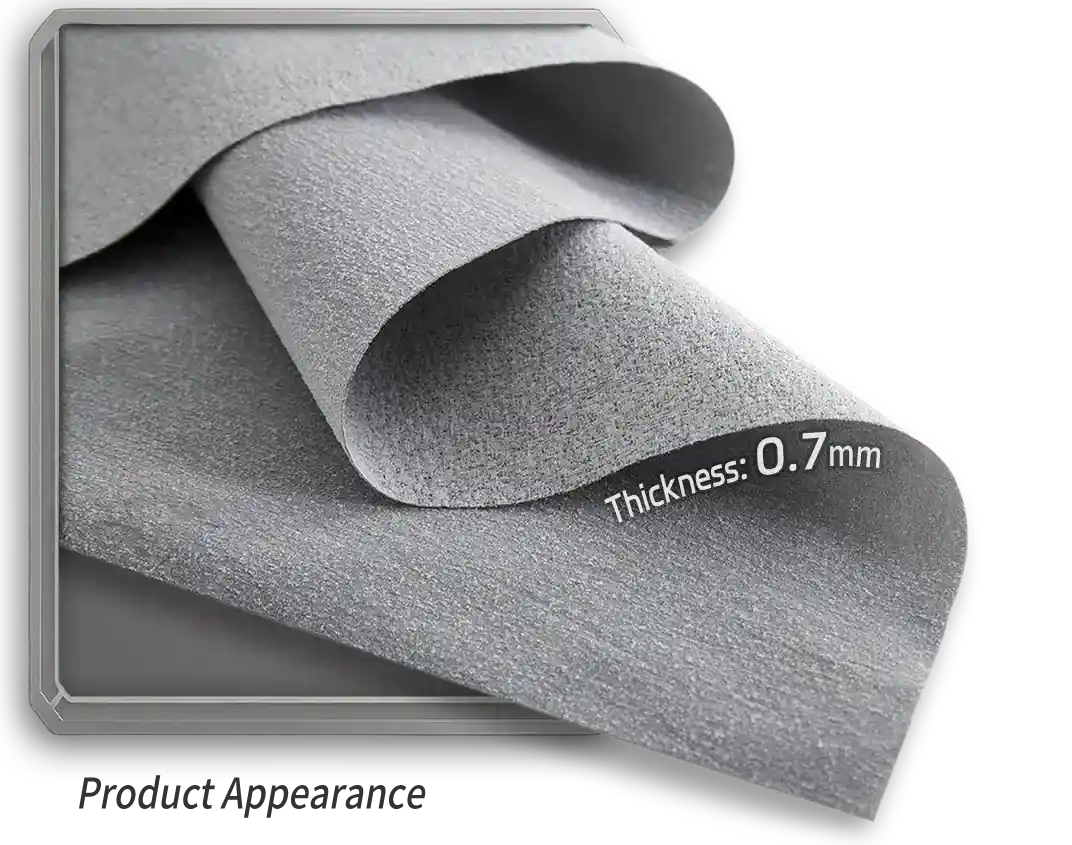
Modern thermal garments and coverings push textiles toward wafer-thin structural profiles that drift out of sync with traditional machines. Automated lines meant for steady webs suddenly face puckering, delamination and invisible thermal bridges that degrade insulation value. Manufacturers chasing lower thermal conductivity and higher R-value have to rethink the feed, bonding and finishing stages, and many now consult thermal insulation solutions early in the design loop to avoid downstream waste. Buildings account for roughly 40% of global energy use, so every gram saved and each improvement in fabric performance matters beyond a single production run.
Where automation breaks down
Ultra-thin substrates change how tension control, nip rollers and ultrasonic bonding behave. Tiny thickness variations tilt the centerline of a web, causing vision systems to misread pattern registration and ultrasonic heads to under-penetrate. The sensory feel of the fabric—slippery, almost like satin—masks microscopic delamination that shows up later as cold spots. In practice, seam sealing and lamination specs must be tightened. The machine zones that once tolerated ±0.2 mm now need ±0.05 mm repeatability, and that requires both hardware upgrades and fresh software logic.
Operational production teardown: from spool to finished panel
An operational teardown reveals the critical nodes: unwind with active tension feedback; pre-conditioning stage for humidity control; precision roll-to-roll lamination; vision-guided ultrasonic bonding; and final inspection for thermal continuity. In this teardown we examine how a line handling thermal insulated curtain material shifts parameters: lower nip pressure, slower web speed, and micro-stitch patterns to preserve quilting structure. Integrating thermal insulation solutions into the line plan means specifying acceptable thermal conductivity bands, setting R-value targets for final panels, and choosing adhesives or mechanical bonding methods that don’t compromise thinness.
Successful adjustments — sensory details from the floor
On one retrofitted line the operator noticed fewer micro-folds after swapping to low-friction entry guides and adding a humidification zone; the fabric slid more like butter across rollers, and defect counts fell. Another plant trimmed cycle speed by 12% while introducing variable-frequency drives to smooth acceleration—production output stabilized even as scrap dropped. Small tactile changes—less drag, a cooler touch at seams—correlated with measurable thermal continuity improvements on the inspection bench. These are not magic; they are careful adjustments to lamination temperature, dwell time, and vision algorithms.
Common mistakes and practical alternatives
Teams often double down on brute force fixes: cranking roller pressure or adding thicker substrate. Those moves erase the very benefits ultra-thin profiles provide. Better alternatives are targeted: refine edge guide geometry, add intermittent ultrasonic sealing instead of continuous heat, and tune adhesive deposition to microscale dots rather than lines. Consider investing in a modular roll-to-roll cell that isolates delicate operations. — Minor pilot runs reveal failure modes faster than month-long full-scale trials, and they cost a fraction of reworking a whole batch.
Case-study highlights and metrics
Across multiple pilots, three clear patterns emerged: tighter tension control reduces linear defects; calibrated ultrasonic bonding improves seam integrity without bulk; and adaptive vision systems reduce misregistration errors by measurable margins. Industry terms like thermal conductivity, R-value and seam sealing surfaced as decisive parameters during commissioning. Real-world plants reported meaningful drops in scrap and more consistent thermal performance when these parameters were monitored live rather than sampled after the fact.
Advisory: three golden rules for choosing processes and tools
1. Measure thermal performance early and continuously: set R-value targets and instrument panels on the line rather than only in lab tests. Continuous measurement prevents costly rework.
2. Prioritize gentle handling over speed: marginal gains from higher throughput rarely offset losses from delamination and misregistration. Balance dwell time, nip pressure and web speed for the material, not the machine’s nominal rate.
3. Specify bonding by thermal and mechanical parameters: choose lamination temperature curves, ultrasonic amplitude, and adhesive dot patterns that preserve ultra-thin geometry while meeting thermal conductivity goals.
These rules point toward production plans that naturally include suppliers and partners tuned to the material’s needs, and they explain why manufacturers are turning to specialized resources for thermal insulated curtain material expertise during line design.
— a final fragment that stays with you