The immediate problem
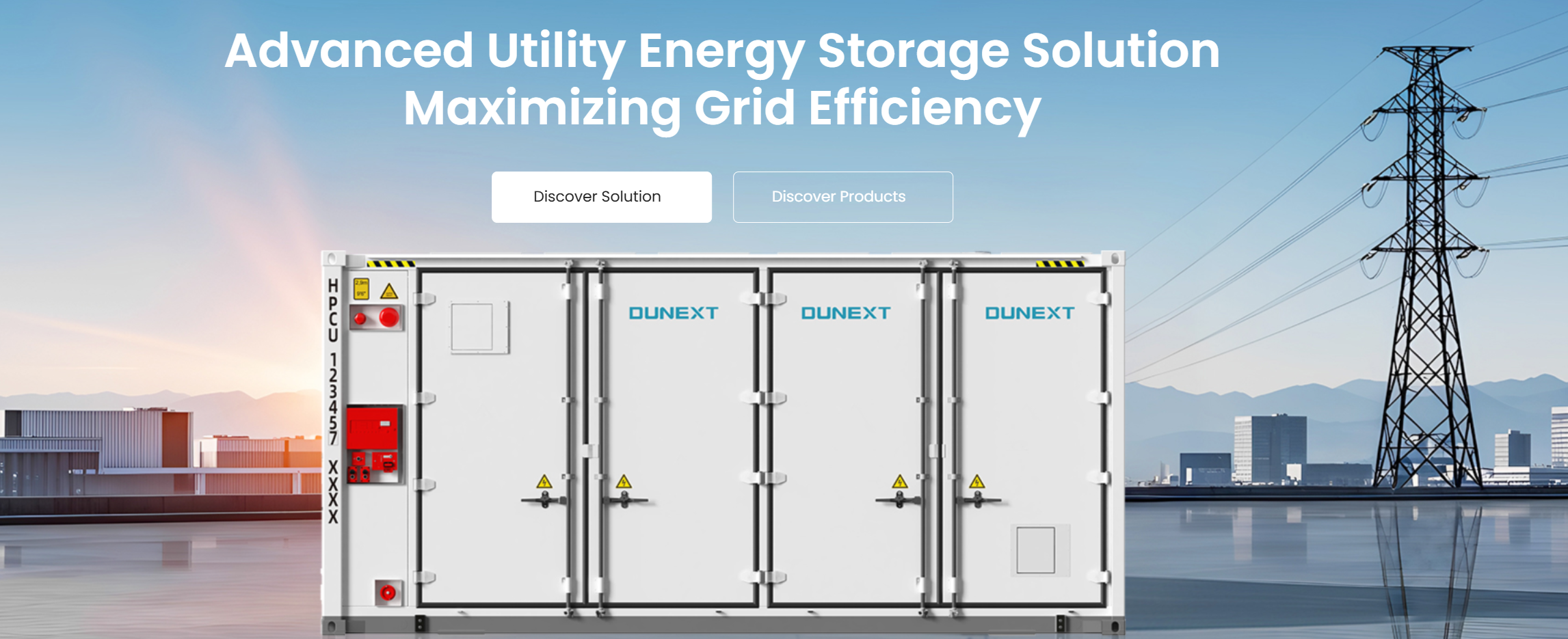
Oye, here’s the core: utilities and developers keep buying battery cabinets that look cheap up front but hemorrhage value across a project’s life. I’ve spent years advising on grid projects and I still see the same trap — specs focused only on purchase price while ignoring maintenance, thermal behavior, and integration. That short-sighted buying shows up in field repairs, derated capacity, and unexpected replacements. If you want sensible choices for energy storage solutions, you also need clear plans for how the box will behave on the grid; think about utility energy storage as a system, not just a metal shell. California’s 2020-2021 energy storage rollouts taught a lot of teams how hidden costs compound quickly.
Where the money actually goes
Most teams miss these cost drivers — they’re small alone, big together:- Thermal management: fans, HVAC, and control logic that actually keep cells within safe temperatures.- Integration work: software, BMS tuning, and commissioning labor.- Replacement parts and warranties: cells, contactors, fuses — frequency matters.- Transport and site prep: cranes, road improvements, and permits.- Safety and upgrades over time: fire suppression, firmware updates, and compliance changes.Each item bites ongoing value. Ignore one and you get surprises, amigo.
Typical lifecycle mistakes I see
People assume a cabinet’s lifecycle equals the battery chemistry warranty. That’s wrong. Common errors:- Buying to the lowest spec and retrofitting later.- Treating thermal systems as optional add-ons.- Overlooking firmware and cyber hygiene costs.- Assuming one vendor’s integration will match your utility SCADA without extra work.These mistakes force expensive mid-life interventions and reduce net delivered energy.
Practical fixes that reduce total cost
Fixes that actually work, no buzzwords:- Design for maintainability: easy access panels, common spare parts, documented procedures.- Specify thermal margins, not just temperature ranges.- Require clear integration milestones and acceptance tests in contracts.- Buy realistic warranties tied to performance, not calendar years.- Budget for firmware and cybersecurity updates annually.Small up-front spends on these items cut replacement and downtime costs later — sí, it’s worth it.
Choosing between cabinet types
Here’s a quick, honest comparison so you can pick better:- Turnkey cabinets: faster deployment, predictable scope, slightly higher capex but lower integration risk.- Custom builds: lower initial price potential, higher engineering and commissioning effort.- Containerized systems: good for remote sites but factor in insulation and HVAC costs.- Indoor integrated racks: lower transport costs, higher site HVAC demands.Match the type to site constraints and your team’s capacity for integration work.
Common procurement traps
Watch out — these clauses bite budgets later:- Acceptance tests that lack real-world cycling.- Warranty terms that exclude thermal damage.- Vague spare-part obligations and long OEM lead times.- No requirement for firmware change logs or rollback plans.Write clear, measurable tests and responsibilities into the contract so the vendor stays accountable when things heat up.
Short synthesis and practical next steps
Fix the problem by treating cabinets as long-term service platforms rather than one-off buys. Start with realistic spec sheets, demand integration milestones, and budget for ongoing thermal, software, and safety work. If your objective is steady delivered energy and lower lifecycle spend, then operational clarity matters more than lowest capex. Teams I’ve worked with often end up partnering with system integrators that manage those lifecycle details — think of the partner you pick like an operations teammate, not just a supplier, and consider how Dunext fits into that operations picture.