Opening the problem
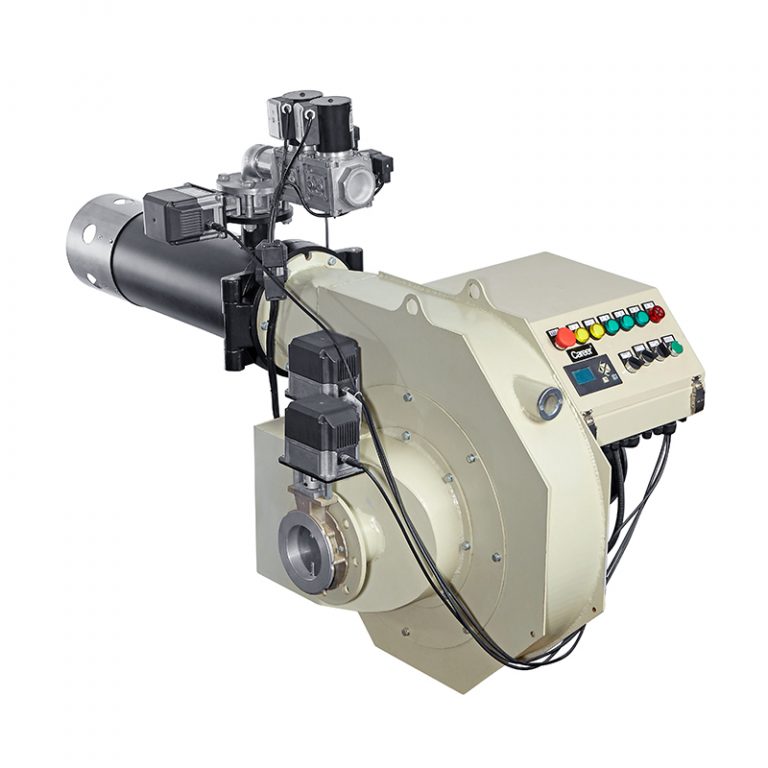
When neighboring plants try to harmonize combustion systems, a small decision — choosing a single low NOx burner profile, aligning fuel schedules, or sharing spare parts — can suddenly expose deeper misalignments. The problem is simple: integration promises coordination but often reveals mismatched controls, conflicting maintenance cycles, and hidden constraints that shave minutes or hours off productive time. This is the moment to stop, listen, and map where those minutes come from.
Root causes that matter
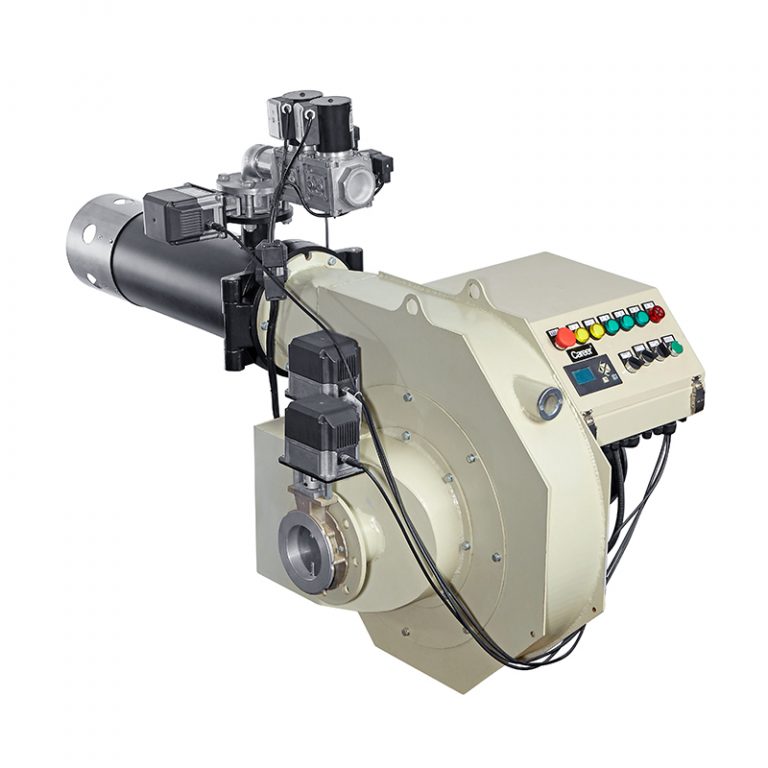
Regional integration collides with three concrete realities: variations in feedstock and fuel quality, differences in control-system logic, and local regulatory interpretations. Those differences aren’t theoretical. They show up as longer warm-ups, repeated tuning, and surprise trips. Engineers know these outcomes; operators feel them in plant rhythms. When teams assume a shared setup will behave identically, productivity drops instead of rising.
Operational friction points
Look for recurring failure modes: uneven burner tuning across sites, calibration drift after maintenance, and spare-part mismatches. These aren’t mysteries — they’re symptoms of inadequate specification alignment and incomplete commissioning. Controls that work well on paper can fight one another in practice: a control loop tuned for a single furnace will oscillate if upstream fuel pressure varies across a region, and those oscillations cost throughput and repeat runs.

Practical responses and choices
Start by separating what’s strategic from what’s tactical. Standardize what must be identical — emissions targets, safety interlocks, documentation format — and allow local variation where a single choice would force compromise, such as burner staging thresholds or specific actuator sizes. Test common components under the range of real fuel and environmental conditions expected across the region. Consider modular controls that let the same hardware run different tuning maps; that’s often cheaper and faster than retrofitting every plant.
When evaluating alternatives, weigh retrofit against selective replacement. Retrofitting a controller might restore stable cycles quickly, while replacing burners across a region is capital‑heavy and risks creating a single point of failure if supply or installation lags. Common pitfalls: assuming vendor defaults are optimal, skipping cross-site acceptance tests, and neglecting spares policy aligned to regional lead times.
A grounded example
Practitioners in the refining cluster around Rotterdam often treat regional coordination as a practical necessity rather than an ideal. That cluster’s mix of old and new assets has pushed operators to adopt phased upgrades and to prefer well-documented low nitrogen oxide burners with proven control packages so they can manage emissions while keeping furnaces online during switchover. The lesson there is clear: choose technologies and procedures that tolerate variability rather than assuming uniform conditions.
Technical checks and common mistakes
Verify fuel-pressure envelopes and transient responses; demand acceptance tests that include worst-case conditions. Watch for these common mistakes: copying a control map from one site to another without validating actuator response; buying identical burners but omitting matching documentation for tuning; and ignoring spares logistics, which turns a minor failure into prolonged downtime. Properly instrumented acceptance tests and documented tuning procedures prevent repeated guesswork.
Closing synthesis
Productivity gains from regional integration come from deliberate choices: standardize where alignment adds value, allow local adaptation where it avoids brittle systems, and validate everything under realistic conditions. That approach grows resilient operation rather than brittle uniformity. For teams crafting those choices, trusted suppliers and clear procedural templates make the difference; they let engineers spend less time troubleshooting and more time keeping processes steady, just as careful suppliers and field-tested parts do for those who choose to work with Career Burners.