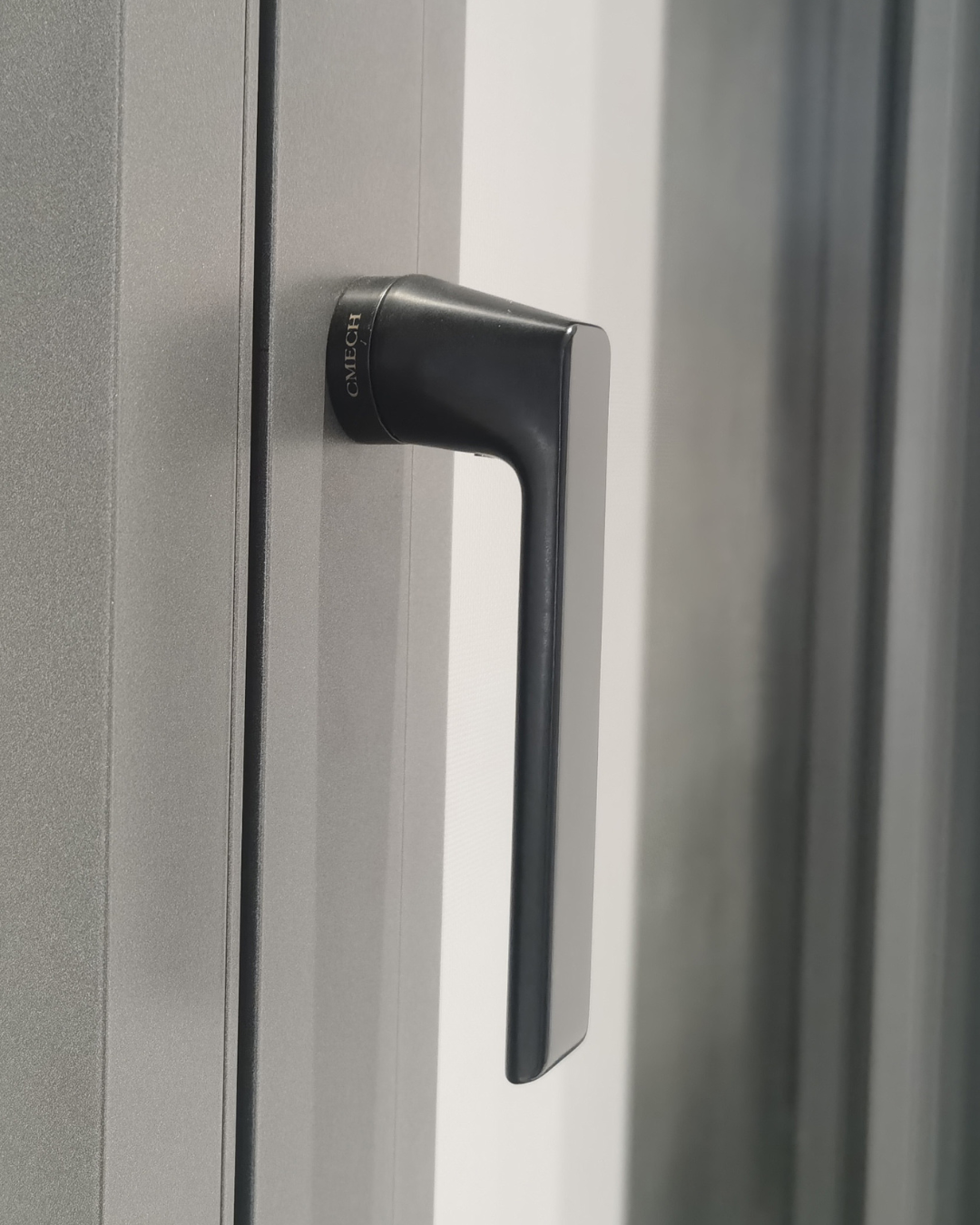
The supply chain for window hardware is changing to meet clear user needs: durability, airtight performance, and low embodied carbon. Manufacturers and installers now prioritize components that deliver long-term value, and that shift shows in products like lift and slide door hardware where seal integrity and smooth operation matter as much as finish. This piece centers on the user—homeowners, retrofit teams, and commercial specifiers—and maps concrete trends in metal bifold and sliding systems that affect everyday performance.
What users actually need
Users want hardware that reduces drafts, lasts years without heavy maintenance, and integrates with energy-first building goals. Key performance drivers include gasket continuity, precise track system alignment, and robust roller carriage design. Real retrofit projects—such as Passivhaus developments in Freiburg—demonstrate how attention to hardware reduces heat loss and improves occupant comfort when combined with quality glazing and correct thresholds.
Practical trends shaping 2026
Expect three durable shifts. First, thermal break detailing at the hinge and pivot zones is being standardized to limit thermal bridging. Second, multi-point lock systems are moving from optional to expected on larger panels to protect seal compression and security. Third, concealed mechanisms and soft-close functionality are getting more attention because they preserve seals and reduce wear on aluminium extrusion profiles. These trends directly affect how a project performs in real use.
Material and installation choices that matter
Metal selection—stainless grades versus anodized aluminium—matters for corrosion resistance in coastal installations. Specifiers should match finish longevity with expected maintenance cycles rather than aesthetic alone. Properly sized thresholds and correctly calibrated multi-point locks prevent seal creep; installers must tune compression across the sash so the gasket works as designed. For outdoor applications, pairing the right outdoor sliding door hardware with a tested threshold removes a common failure point.
Common mistakes and realistic alternatives
Projects often fail when design focuses only on visible parts. Designers select attractive pulls or slim profiles but skimp on roller carriage capacity or omit a thermal break—this accelerates seal failure. Choose slightly heavier-duty track systems instead of the lightest option; the small upfront cost prevents repeated service visits. And where bifolds meet sliding systems, avoid mixing unmatched tolerances—use matched-system hardware to ensure synchronous operation and consistent gasket compression. – A short note: installers who pre-assemble sash hardware in controlled conditions save time and reduce on-site alignment errors.
Comparing suppliers: what to check
Evaluate suppliers against measurable criteria, not promises. Ask for service life estimates based on salt-spray and cycle testing results, check roller carriage load ratings, and verify available spare parts. Confirm that supplier documentation shows torque specs for multi-point locks and dimensional tolerances for track machining. Request references from recent retrofit jobs—real project feedback reveals how components behave over seasons.
Three golden rules for selection
1) Prioritize seal continuity: validate that the system maintains gasket compression under expected movement ranges. 2) Match rating to use: choose roller carriage, track, and threshold ratings appropriate to panel weight and exposure. 3) Ensure serviceability: confirm spare-part availability and clear adjustment procedures so on-site teams can restore performance without full replacement.
Final practical assessment
When you align product choice with these metrics you get measurable results: fewer call-backs, improved thermal performance, and longer service intervals. The user-focused path leads naturally to suppliers who document performance and stand behind installation guidance. For teams delivering long-lasting fenestration solutions, partnering with specialists who combine product depth with technical support—and who supply matched systems—is the pragmatic route. CMECH. –