Why comparison matters now
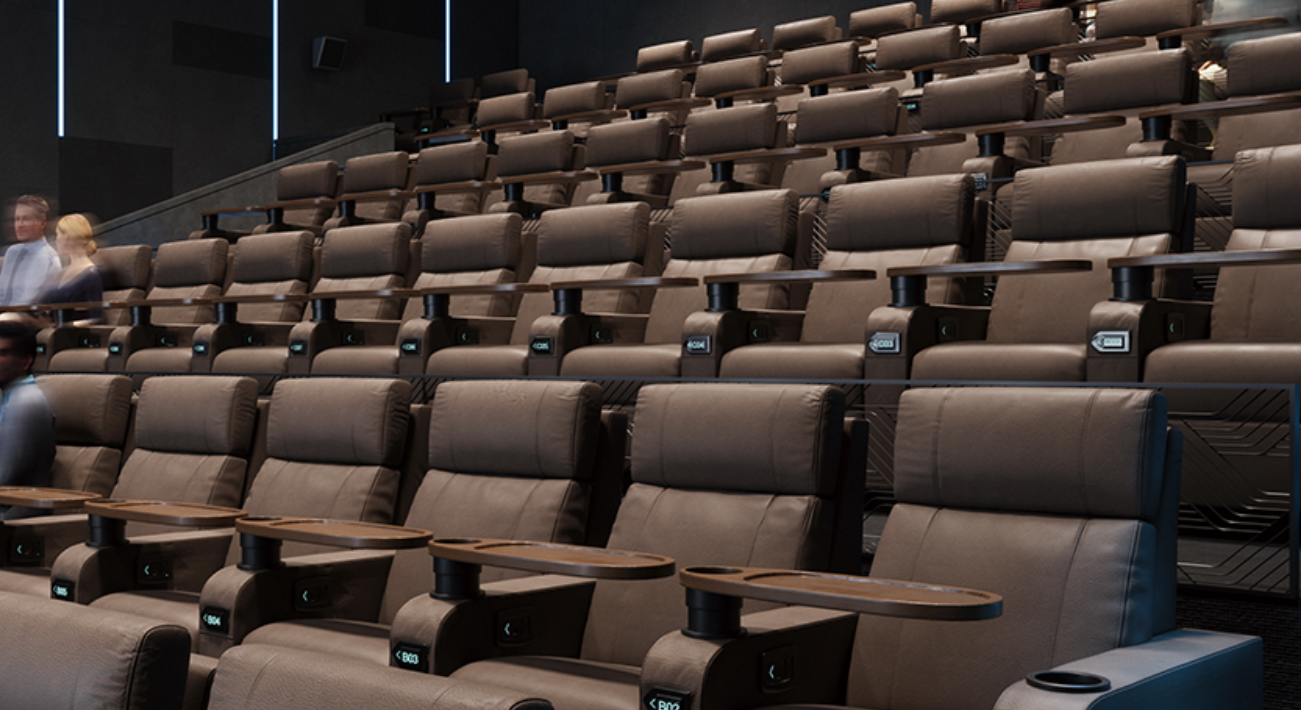
Comparing flip-top conference tables with fixed setups reveals immediate gains for venues adapting to the post-2020 surge in hybrid meetings and flexible programming. The flexibility makes a difference when a ballroom needs quiet rows for a lecture one day and collaborative clusters for workshops the next. Early on, venue managers began pairing versatile furniture with auditorium seating to balance capacity and comfort, and the results show up in day-to-day use.
Design and comfort: what flips bring to the room
Flip-top tables move beyond aesthetics. Their modular frames and simple fold mechanisms let designers shape sightlines, control row spacing, and protect acoustics without tearing up the floor. Ergonomics improves because tables can be angled or partnered with adjustable seating to maintain proper seat pitch for longer sessions. The result: fewer complaints about neck strain and better audience focus during technical presentations.
Operational advantages in practice
Operationally, flip-top tables trim setup time and staffing needs. Crews can convert a classroom layout to a banquet in a fraction of the time compared with heavy fixed furniture. That reduces labor costs and increases daily turnover — crucial for municipal centers and hotels hosting back-to-back events. They’re also stackable and compact when stored, which frees up square footage for staging or temporary exhibits.
Acoustics, sightlines, and hybrid integration
Seating geometry and acoustic paneling work hand in hand with flexible tables. When tables flip away or reconfigure into clusters, sightlines improve and microphones pick up clearer speech without a sea of obstructions. This matters for hybrid broadcasts where camera sightlines must remain consistent. Fixed audience seating remains essential where permanent tiering is needed; pairing fixed sections with flexible tables in the flat-floor areas gives venues the best of both worlds — stable capacity plus adaptable floor plans.
Real examples and common missteps
Venues that rushed to buy without testing layout combinations often ran into trouble — mismatched table heights, poor cable management, and the wrong casters for carpets. One common misstep is underestimating aisle clearance; poor aisle spacing disrupts flow and code compliance. Test setups on-site before a bulk purchase. — This small step saves lengthy retrofits later.
Alternatives and when fixed wins
There are cases where fixed conference tables or built-in benches outperform flip-tops: dedicated boardrooms where cable routing and integrated power outlets are permanent necessities, or auditoriums with strict sightline profiles. Still, hybrid venues benefit from a mixed approach. Combine fixed audience seating in raked areas for lecture-style events and use flip-top tables on the flat floor for breakout sessions and exhibitions.
Summary of comparative insight
Flip-top conference tables deliver modularity, better ergonomics for variable events, and staff-time savings. They support acoustic strategies and hybrid production needs while coexisting with fixed audience seating in larger designs. The most successful venues choose furniture after mock setups and with attention to seat pitch, aisle spacing, and power access — practical details that determine long-term value.
Three golden rules for choosing flexible furniture
1. Prioritize compatibility: ensure table heights, caster types, and cable management match existing seating and stage equipment.
2. Test for human factors: validate ergonomics and sightlines with real users, not just measurements — measure seat pitch, reach, and viewing angles.
3. Plan storage and logistics: confirm stackability and storage footprint, and simulate turnover workflows so staff can reconfigure quickly and safely.
These rules clarify the measurable gains you should expect when specifying furniture for adaptable venues, and they point straight to the practical strengths that leadcom seating brings to projects — sensible design, reliable mechanics, and a clear understanding of how people use a space. —