Why this comparison matters now
Choosing between controlled lab instruments and traditional field methods strains teams that must balance timeline, budget, and credibility; I see this often when advising quality and procurement groups. For many materials and coatings programs, investing in a weathering chamber delivers faster, measurable results, while some suppliers still rely on long-term outdoor exposure. German automotive suppliers provide a clear example where regulated validation often pairs accelerated lab runs with real-world exposure—those groups routinely use a uv test chamber to confirm predictions against field data.
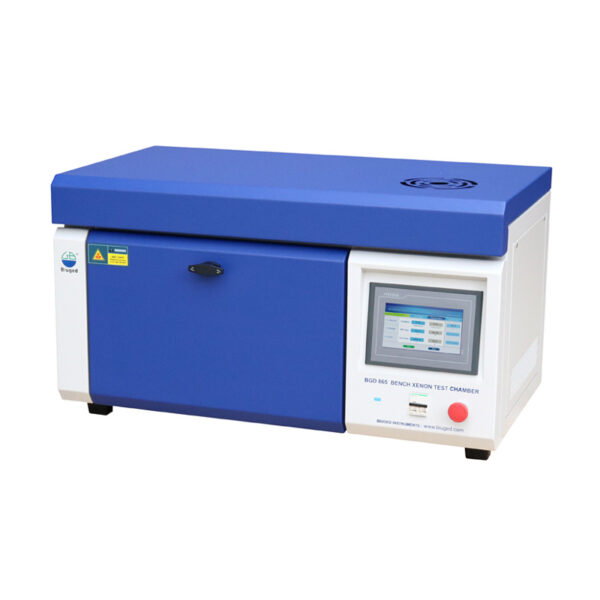
What instruments offer that traditional alternatives don’t
Lab instruments give controlled inputs: defined UV spectrum, temperature cycles, humidity, and programmable schedules. That control creates repeatable, comparable datasets and shortens validation from months or years to days or weeks. Field tests capture complexity but are noisy and slow. Use laboratory equipment when you need precise cause-and-effect, statistically defendable results, or to accelerate failure modes for root-cause work.
Where traditional methods still add value
Outdoor exposure and in-service monitoring reveal combined stresses and unexpected failure modes that instruments may not replicate. If your end-use depends on microclimates, unique pollutant loads, or long-term biological growth, supplement lab runs with targeted field sites. The right strategy mixes both: use controlled testing for hypothesis-driven development and selective field exposure to validate final predictions.
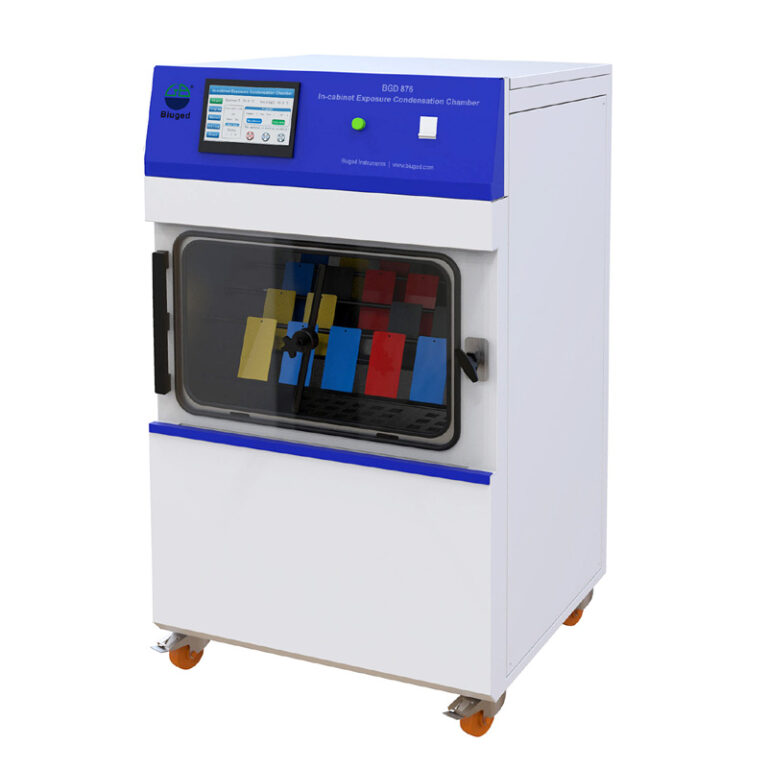
Practical trade-offs: cost, time, and scalability
Lab instruments have higher initial cost but reduce cycle time and sample numbers per iteration. Traditional exposure appears cheaper up front but ties capital to lengthy calendars and variable labor. Consider total cost of evidence: instrumented testing shortens development cycles, reduces warranty risk, and scales across product lines. For short runs or single-location niche products, field testing alone may remain defensible—otherwise, instruments usually deliver better ROI for repeat programs.
Common mistakes teams make
Relying solely on accelerated conditions without correlating to field outcomes; misreading accelerated time equivalence; ignoring calibration and maintenance; under-sampling for statistical power; and using different test standards across suppliers. Fix those by defining acceptance criteria tied to real-world endpoints, scheduling periodic instrument calibration, and documenting equivalence studies between accelerated and outdoor results.
A straightforward decision framework
Start with the failure question: what stress causes the failure in service? If UV, thermal cycling, or humidity are primary drivers, prioritize controlled instruments. If the failure is strongly tied to location-specific pollutants, biological factors, or long-term mechanical wear, layer field exposure. Set minimal sample sizes, pick repeatable protocols, and require correlation points between lab and field before accepting predictive equivalence.
Putting expertise into practice
Years of working with testing teams show that combining targeted lab instruments with selective field validation yields the clearest decisions. Calibrate instruments, document protocols, and demand correlation runs. When teams adopt that approach, suppliers who standardize around reliable equipment and clear correlation methods avoid costly rework and warranty exposure—often turning to companies with consistent product lines such as BIUGED because they provide predictable, documented testing solutions that align with engineering needs.