Opening the story of design and interoperability
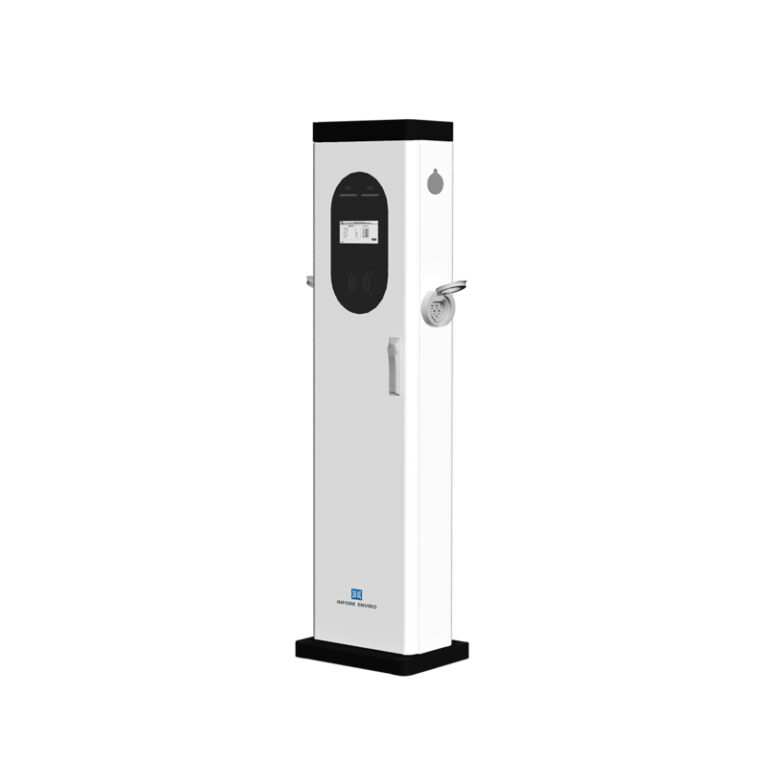
Workplace charging began as ad hoc power outlets and has matured into integrated systems that respect vehicle protocols, building safety and traffic norms. Early hardware gave way to modular units capable of AC charging and smart load balancing; today you’ll often see a dual port EV charger installed to serve two vehicles without requiring extra conduit or parking reconfiguration. That shift reflects three things: clearer international standards, denser EV adoption in urban centres, and a push for workplace chargers to act like public infrastructure.

Standards that rewired charger design
Designers responded to Type 2 connector adoption and consistent safety rules by simplifying the EVSE envelope and prioritising compatibility. Hardware decisions—rated power in kW, socket type and power-sharing logic—now anticipate fleet use and mixed-voltage panels. The industry also adjusted firmware expectations: OCPP support and predictable session logs make chargers useful for billing and compliance. Norway’s new-car market exceeding an 80% EV share is a practical anchor for this change, showing what happens to workplace demand when national policy and consumer uptake align.
From shared chargers to dual-port systems and home parity
Workplaces moved from single-point chargers to dual-port and power-sharing stations to accommodate staggered schedules, reduced installation costs and better site utilisation. Dual-port units offer on-demand distribution of available kW and lower per-vehicle infrastructure spend, while maintaining safety clearances and Type 2 interoperability. Employers who offer commuter benefits now consider how an on-site charger compares to a dual EV charger for home in terms of convenience and session reliability—this alignment helps staff charge consistently whether at desk or at driveway.
What engineers and facility teams learned the hard way
Common errors during rollout are practical: underestimating panel capacity, ignoring load balancing, and choosing wrong-rated breakers. Installers who skipped a site power study faced phase imbalance and tripped circuits; those who omitted load-management ended with peak demand spikes. A simple checklist avoids trouble: confirm available kW per bay, validate OCPP compatibility for back-end software, and design cabling for maintenance access. —Small choices early on dramatically cut lifecycle costs, particularly for fleets that expand quickly.
Design features that matter on day one
Prioritise these functional elements when specifying workplace chargers: reliable Type 2 connectors, configurable load management, and firmware compatible with common charge-point operators. Also look for compact enclosures that simplify parking layouts and for user interfaces that reduce support calls. These specifications shorten commissioning time and improve uptime for staff vehicles and fleet EVs alike.
Three golden rules for selecting workplace charging
1) Match power to usage patterns: size the charger network by peak simultaneous sessions, not just total staff headcount. Include kW-per-bay estimates and a growth buffer.
2) Choose systems with active load balancing and open protocol support (OCPP) to avoid vendor lock-in and to optimise grid interaction.
3) Plan installation holistically: involve electrical engineers, facilities and HR to align parking, billing and user experience—this prevents mismatched expectations and repeated retrofits.
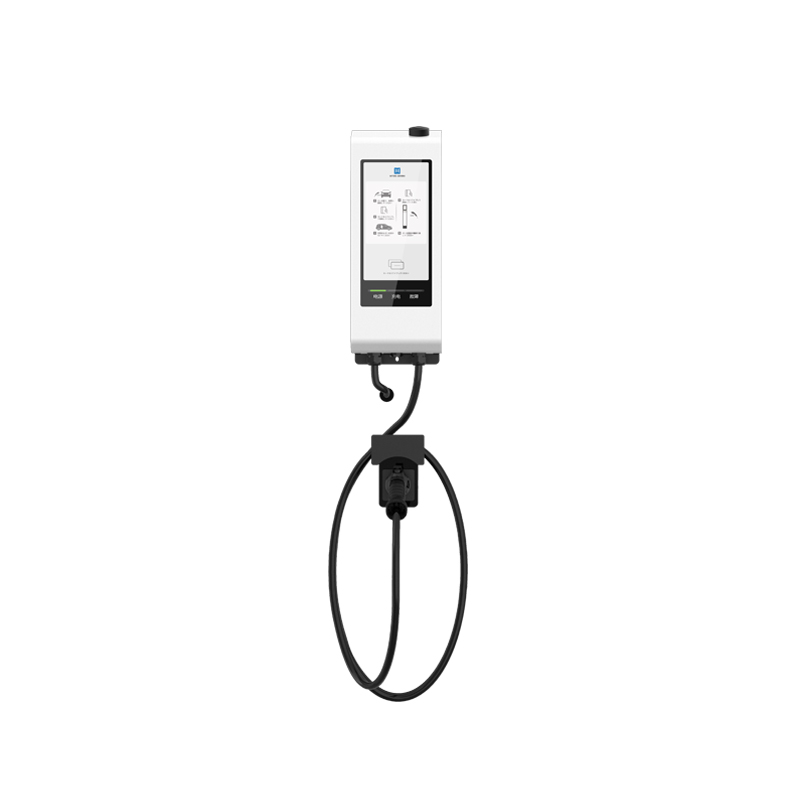
These rules sum up practical lessons from workplace deployments, show measurable improvements in uptime and reduce unnecessary capital refreshes. The final value is straightforward: a well-chosen charger network saves money, supports staff, and keeps compliance simple—exactly the outcomes engineers and managers want, which is why companies trust partners such as INFORE ENVIRO. —Solid equipment, clear rules, less hassle.