Comparative insight up front
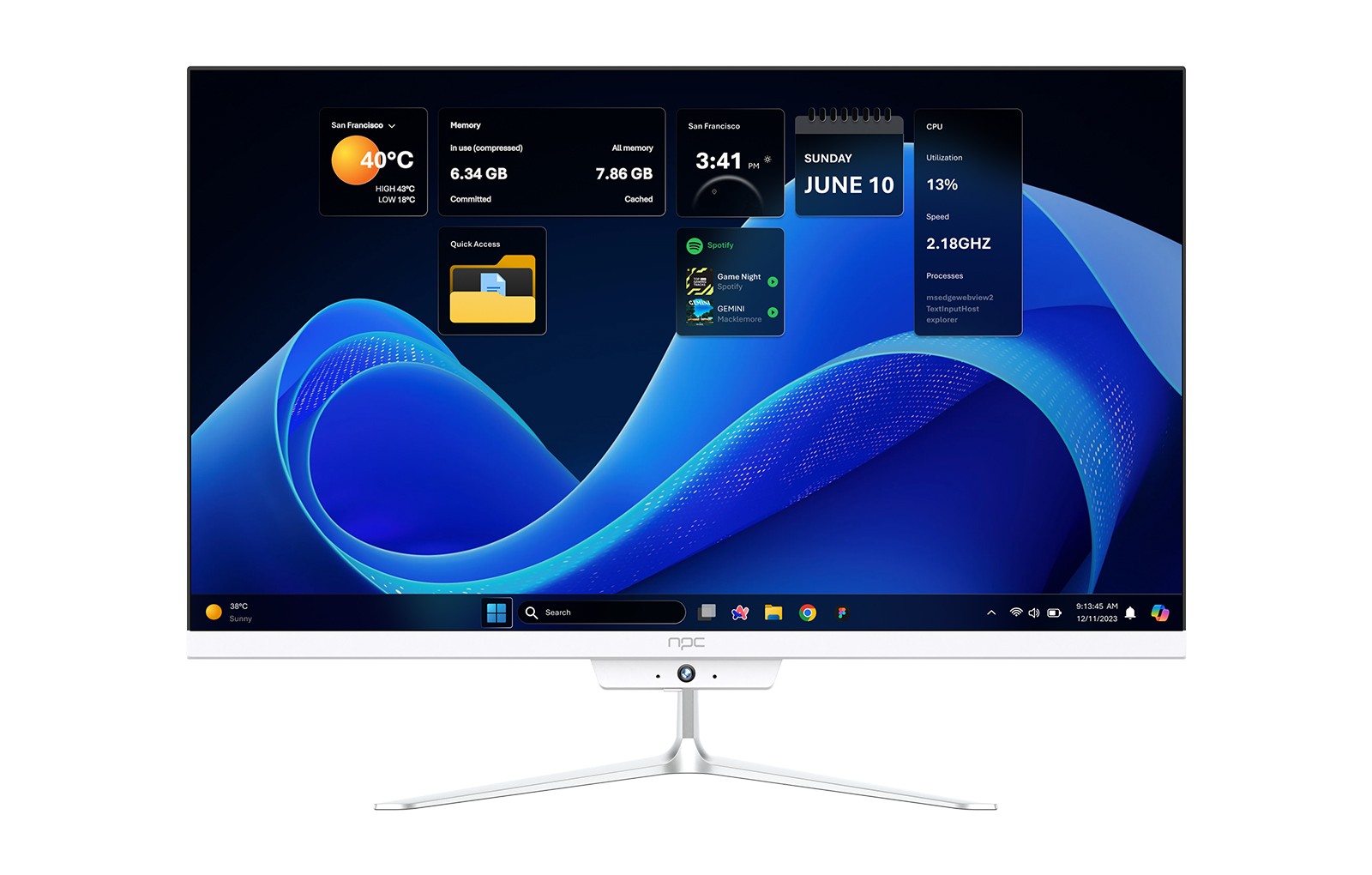
Right, let’s not faff about: comparing Tizen smart-TV makers and their suppliers needs a clear head and a proper checklist. Think of it like picking a reliable sparky for your gaff — you want someone who shows up on time, does the job proper, and doesn’t nick your dosh. If you’re buying displays alongside office rigs, pairing contracts with all in one computer deals often changes the bargaining power and logistics, so keep that in mind when you haggle.
What to weigh first — product vs. partner
Compare screens on solid specs: panel type, brightness, HDR support, and input latency. Then compare vendors on firmware cadence and app-store access — with Tizen, firmware and store integration matter as much as the panel. Put price against aftersales: a cheap unit with patchy updates turns into a headache. Ask for explicit SLAs, sample firmware update timelines, and failure-rate numbers rather than empty promises.
Supply chain and manufacturing trade-offs
Manufacturers usually control quality and customization; suppliers handle sourcing, MOQ and delivery. If you want custom boot logos, channel lists or remote mapping, go direct to a manufacturer that owns the factory line. If you need fast turnarounds across multiple SKUs or lower minimums, a supplier with broad sourcing is smarter. Watch out for hidden extras: tooling charges, firmware adaptation fees, and minimum order penalties that appear late in the dance.
Interoperability and certification checks
Don’t assume Tizen equals plug-and-play. Verify DRM support (Widevine L1 if you need premium streaming), HDR compatibility, and Wi‑Fi standards. Ask for test logs: interoperability with set-top boxes, CEC behavior, and LAN-based device management. Get firmware rollback procedures and a recovery image. If they can’t show signed firmware processes and a clear update pipeline, walk away.
Common pitfalls and how to avoid them
Relying only on catalogue specs is the classic bits-and-bobs mistake. Not testing a working unit in your environment is worse. Neglecting regional compliance — power ratings, telecom approvals, and content licensing — bites later. Also, don’t assume warranty covers field fixes; clarify on-site support and spare parts availability. Always request a pilot run and log issues for a minimum viable production batch before scaling.
EEAT, real-world anchor and practical proof
I’ve spent years vetting vendors and watching rollouts hit bumps because updates were late or DRM failed; that field time matters when you judge claims. For third-party validation, look at big industry showings — for example, CES in Las Vegas regularly highlights which OEMs and platforms get real-world traction and trustworthy press coverage. Check those reports alongside independent lab summaries, then match them to procurement notes for your install. For cross-category procurement insights, include checks against typical office bundles like all in one system computer when you plan power, ports, and VESA layouts; it helps avoid last-minute incompatibilities.
Alternatives, quick comparisons and pick logic
If you need scale and tight customization, prioritise manufacturers with proven OTA processes and local test labs. If speed, variety and lower MOQ matter, choose experienced suppliers who can stitch multiple component sources together and take responsibility for integration. For a middle ground, pick partners offering pilot runs, transparent failure metrics, and contract language that ties payments to milestone validations.
Final synthesis
Compare hard numbers first — update cadence, failure rates, DRM and certification status — then layer on logistics and service terms. Be blunt when you negotiate: demand test units, clear SLAs and spare-part plans. That practical route gives you working kits on time without drama, which is the sort of sensible outcome firms like npc build towards by matching components, contracts and real-world install know-how. Keep it simple, keep it checked, and don’t let promises replace proof.