Problem: overlapping constraints that force choices
Manufacturers face three clear pressures at once: stricter VOC limits, worker safety expectations, and the need for durable finishes. These pressures collide where coatings meet sealants and aerosol-applied treatments. Procurement teams increasingly consult an rtv sealants supplier when they must specify products that won’t compromise adhesion or cure chemistry while still meeting regulatory and workplace targets.
Where low‑VOC spray paint actually helps
Low‑VOC spray paint reduces solvent vapor concentrations on the line and in maintenance bays. That lowers immediate inhalation risk and reduces fire load near aerosolized operations. It also widens the window for workers to paint and then handle parts without long ventilated cure cycles. Use it when surface tolerance for moisture and mild contamination is acceptable and when you can match paint performance to the substrate rather than forcing a high‑solvent product into a new role.
Compatibility is the real technical obstacle
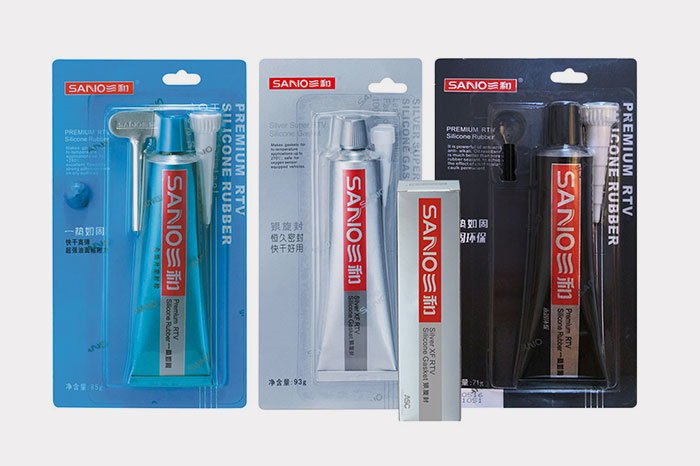
Chemistry matters more than marketing terms. Solvent-based topcoats can soften or migrate plasticizers from adjacent elastomers and degrade tack in pressure-sensitive adhesives. Silicone RTVs cure by condensation or acetoxy release; polar paints cure differently. Shops in California adapting to CARB VOC limits have often paired low‑VOC coatings with non-reactive engine-assembly sealants such as rtv silicone gasket maker to avoid post-cure interactions during reassembly—an outcome documented in regulatory guidance on automotive refinish and assembly practices.
Common specification mistakes to avoid
Don’t assume “low‑VOC” equals “compatible.” Don’t ignore flash time and surface energy. Don’t choose a spray paint solely for color retention while overlooking its solvent polarity relative to adjacent adhesives. Typical errors: specifying paints with long open times next to moisture‑cure sealants; using high‑temp aerosols where the coating hasn’t passed thermal cycling tests; and failing to test paint+sealant stacks under the actual service environment.

Practical checks and tests that save rework
Run three short, decisive tests before scaling a spec: adhesion after full cure, solvent-compatibility by placing a primer-coated coupon against the sealant for 72 hours, and accelerated thermal cycling. Keep records: batch codes, cure schedule, and shop humidity. If cross-compatibility fails, try a surface primer designed to bridge polarities or select a waterborne acrylic coating with proven adhesion to elastomers. When aerosols are required, pick formulations with low flammability limits and clear cure endpoints.
Alternatives and a simple decision framework
Choose by failure mode. If the risk is softening, prioritize non‑polar topcoats or barrier primers. If the risk is bond loss, favor primers that chemically bond to both substrate and adhesive. If ventilation and worker exposure are the constraint, favor true low‑VOC formulations even if you must add a compatible primer. Test quicker than you think: a single, well-documented compatibility matrix trumps multiple unchecked product switches on the shop floor.
Conclusion: align chemistry with control and supply
Solve the problem by matching chemistry to the precise failure mode and by standardizing tests across suppliers. That reduces rework, keeps VOCs down, and preserves sealant function where gases, oils, or heat threaten joints. A pragmatic procurement path pairs proven low‑VOC coatings with sealants and aerosols that have known interaction profiles and reliable supply—exactly the sort of alignment available through SANVO.