
Introduction: When smooth meets daily motion
You catch your reflection in a café window on a bright Santa Monica morning and think, Hey, I look rested today. You booked a forehead wrinkle filler last month, and the first week looked smooth. Then your week got real: meetings, workouts, sun, squinting at your phone. We make thousands of micro-expressions a day, and tiny brow lifts add up—fast. The result? Some areas seem flat while others look a bit puffy. That mismatch can feel awkward (and a little ironic in the sunshine state). Here’s the data-shaped rub: dynamic zones like the forehead don’t just sit there; they flex and shear, which can shift how gel behaves over weeks. So the big question: why do results that look perfect at rest change once you’re living your life? And more to the point—what can you do about it? Let’s unpack the issue and then stack the options side by side so you can choose with confidence.
Part 2: The quiet reasons results drift
What’s the snag we miss?
In Part 1, we covered the basics and the usual myths. Now, let’s look at the deeper layer you actually feel day to day with filler for forehead lines. The forehead is a high-motion zone, and the gel’s rheology matters. If the product’s G’ (elastic modulus) is too high for your tissue, it can hold shape at rest but fight your expressions. If viscosity is too low, it may spread in thin skin and show a faint hue—the Tyndall effect. Plane of injection matters, too: superficial passes invite shimmer; a supraperiosteal line or microbolus can look more natural. Brow muscle patterns vary by person, so copy-paste plans fail—funny how that works, right? Look, it’s simpler than you think: a good match equals fewer surprises.

Hidden pain points often live outside the needle. Dehydration, long screen time, and bright outdoor days change how you move your brow. Small habits amplify shear on gel that wasn’t tuned to your motion. Technique is another lever: a soft retrograde threading with a cannula spreads force; a tight bolus can create focal pressure. Cross-linking density shapes durability, but overdoing it can trade flexibility for stiffness. Safety sits under all this—arterial mapping and the option to reverse with hyaluronidase keep risk low. The short version: product physics plus your motion profile decide whether week four looks like week one. That’s the quiet reason some touch-ups feel “late,” when they were simply mismatched from the start.
Part 3: Looking ahead—comparing what actually holds up
What’s Next
Forward-looking tech makes this less of a guessing game. Think gels built for dynamic zones, with balanced cohesivity and mid-range G’ that flex under shear. Some use mixed particle sizes or polydensified matrices to resist migration while staying supple. Ultrasound guidance adds precision, so placement sits in the right plane, not just the right area. Seeing a gallery of forehead filler before and after shots helps, but the real edge is understanding why those results held: softer passes along tension lines, micro-aliquots rather than big dumps, and respect for brow vectors. It’s not hype—just mechanics meeting skin. And yes, tiny changes in aftercare (hydration, SPF, fewer squints) nudge outcomes in your favor.
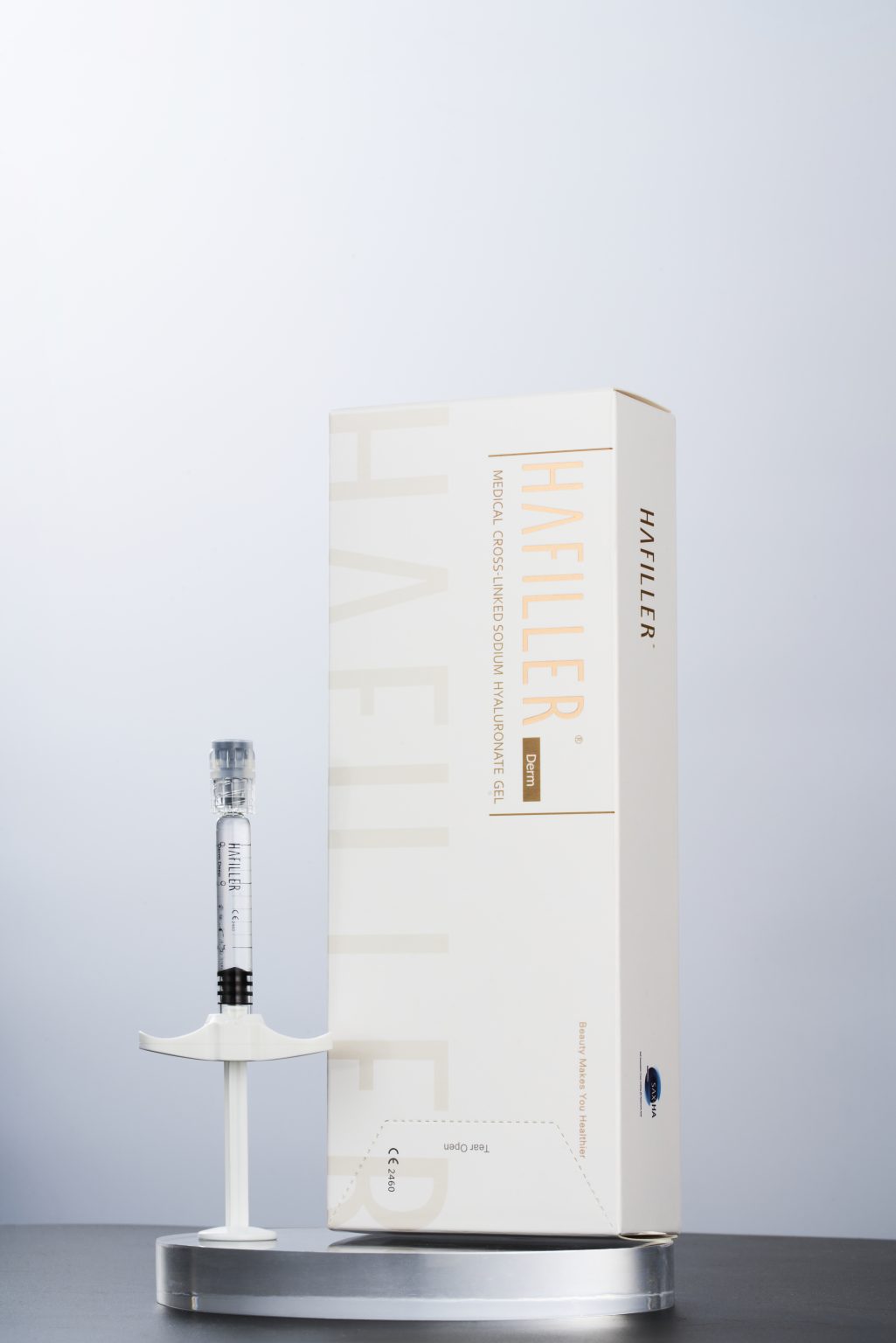
Here’s how to compare options without getting lost in jargon—because math meets skin, but your day has only so many minutes. Advisory close-out: first, match rheology to motion. Ask for the product’s G’ and cohesivity, and whether it’s tuned for dynamic areas like the forehead. Second, evaluate technique quality. Plane of injection, cannula vs. needle, and whether ultrasound guidance is used often decide smoothness and safety. Third, weigh control and reversibility. Expected duration is nice, but the ability to fine-tune or dissolve with hyaluronidase is peace of mind. Choose based on these three, and your results are more likely to track with real life—not just clinic lighting. If you want a place to start exploring materials and specs, you can check out HAFILLER.