Problem overview: the operational threat to rotary platforms
Salt spray and fine dust are not trivial nuisances; they are root causes of motor failure, sensor drift, and electrical shorts on unmanned aircraft. For operators who deploy in coastal or desert regions, the challenge is immediate: corrosion, abrasive wear, and clogged ventilation reduce mission readiness and increase maintenance cycles. Designers and maintainers of coaxial drones must therefore treat environmental ingress as a primary failure mode rather than a secondary consideration.
Why coaxial dual-rotor layouts demand specific attention
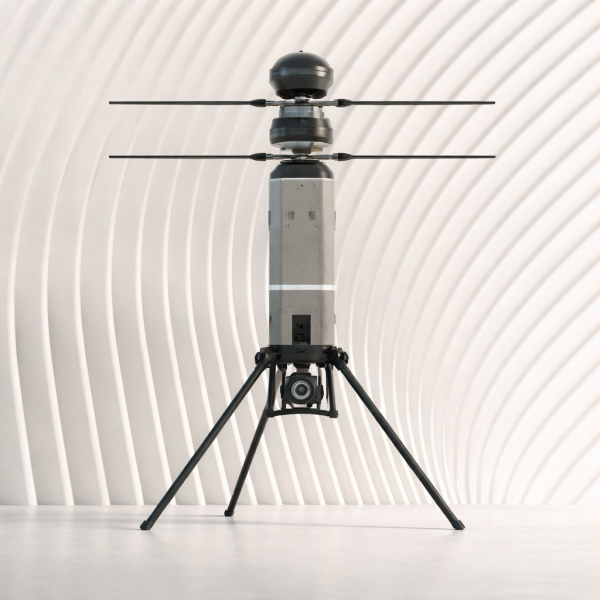
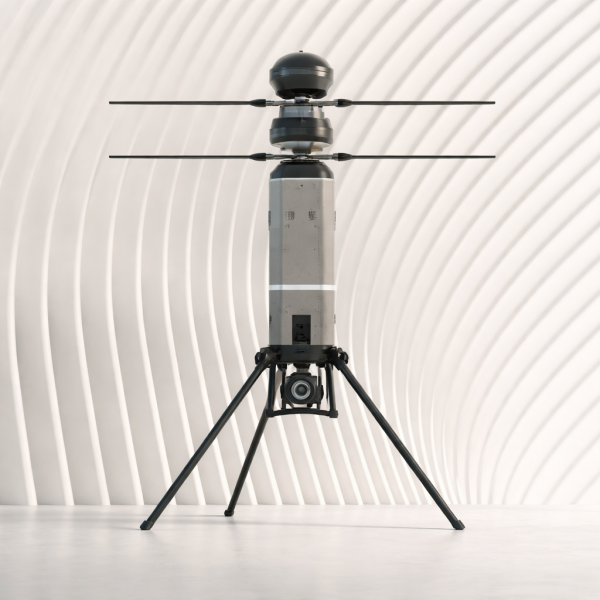
The coaxial dual-rotor architecture concentrates rotors and drivetrains in compact stacks. This gives benefits—reduced footprint, yaw control without tail rotors—but also concentrates exposure of gearboxes, bearings, and ESCs to salt fog and dust. A properly sealed payload bay helps little if the rotor head, motor shaft, or cooling vents remain vulnerable. This is where IP rating, conformal coating, and gearbox sealing intersect with aerodynamic trade-offs for lift and cooling in a coaxial dual rotor uav drone design.
Practical protections that make measurable difference
Start with materials and surface treatments. Use anodized aluminum or stainless fasteners on external parts and apply sacrificial zinc or epoxy coatings on brackets where galvanic corrosion can start. For electronics, conformal coating plus gaskets at enclosure seams deliver baseline ingress protection; aim for IP67 where weight and cooling budget allow. Add a fine-pore intake filter and maintain slight positive pressure inside the avionics bay using a small blower—this reduces dust ingress without heavy seals.
Sealing, ventilation, and thermal trade-offs
Sealing is not a binary choice. Over-sealing without active thermal control leads to overheating and component failure. Designers should combine ambient filtration, heat pipes, or small fans with labyrinth seals on shafts. Bearings benefit from dry-film lubricants that resist salt contamination. For motors, press-fit shaft seals and channeling to keep salt spray off windings will extend service intervals. Follow recognized standards (IP ratings, MIL-STD-810G, ASTM B117 salt-fog testing) when validating—these give objective pass/fail benchmarks for field use.
Field practices and common mistakes
Many teams assume a protective case equals protection in the field. It does not. Mistakes commonly seen: using the wrong gasket material for UV exposure, neglecting filter maintenance, and installing desiccants without a replacement schedule. During coastal operations, salt deposits accumulate quickly on exposed bearings—cleaning windows should be daily in heavy spray. Maintain a strict post-mission rinse and drying protocol; otherwise corrosion hides and spreads under paint and adhesives. – Small routine actions often prevent major overhauls.
Real-world anchor: standards and operational evidence
Testing to MIL-STD-810G and ASTM B117 salt-fog procedures remains the industry reference for deployed platforms; programs that adopt these benchmarks show lower in-service failure rates. Naval littoral trials also demonstrate that positive-pressure avionics and filtered intakes extend mission life in salty air. These test standards and operational lessons form the backbone of credible EEAT for any resilience claim.

Advisory: three golden rules for selecting resilience strategies
1) Prioritize ingress ratings over unquantified claims. Select designs with documented IP and MIL-STD performance, and require salt-fog test data. 2) Balance sealing with thermal management. Verify that cooling strategies preserve electronics life under sustained loads. 3) Build maintenance into the acquisition cost. Filters, desiccants, and lubricant changes are predictable expenses—budget and schedule them.
These rules focus procurement and engineering on measurable durability, and they cut lifecycle cost by preventing reactive repairs. Military Hub brings together case studies and component sources so teams can match real-world needs with proven system choices. —