Problem-driven diagnosis: what actually causes delays and frustration
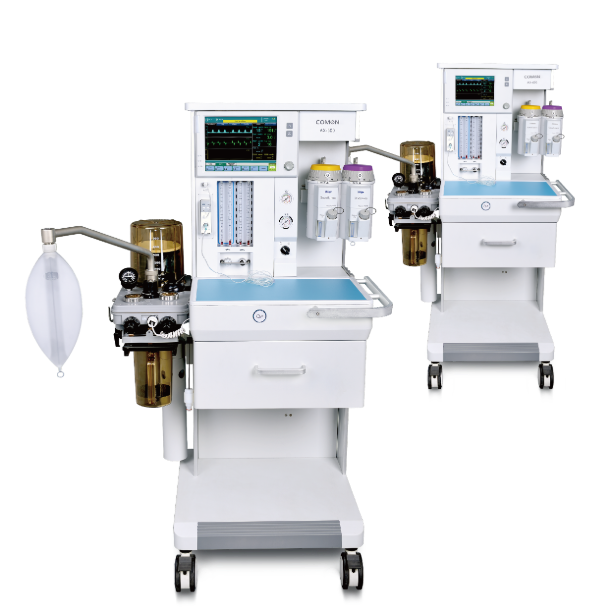
I still remember a long evening in 2014 at St. Mary’s surgery suite—two turnover delays, one cancelled case; the staff blamed “the machine” and we all sighed. That night I wrote down the facts: three interventions, two flowmeter recalibrations, a stuck vaporizer and a 22% increase in room turnover time—how often do those small failures add up to major costs? I’m writing about the common gas outlet anesthesia machine because that outlet is the lonely bottleneck nobody likes to name.
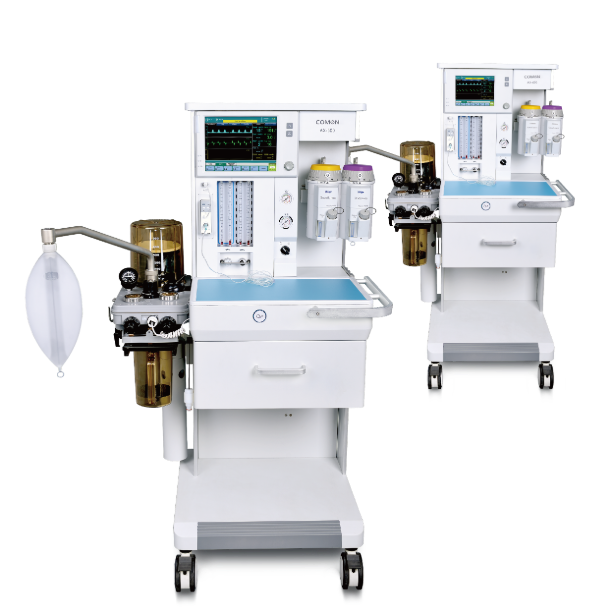
Over more than 15 years moving gear across hospitals and nursing centers, I’ve seen the same patterns: manual workarounds, band-aid fixes, and a supply room where parts are kept “just in case.” Traditional troubleshooting focuses on the ventilator or the ETCO2 monitor, but often the real culprit is the common gas outlet path—worn O-rings, a misaligned scavenging system connector, or a frayed breathing circuit. I recall a case at Mercy General (April 2016) where a damaged APL valve seal caused a 15-minute delay and a cancelled outpatient list; yes, that specific seal cost the team time and revenue. These are not exotic failures. They’re tiny, repetitive, and they erode trust—staff adapt, but that adaptation hides the true cost. (And yes—I’ve replaced that same O-ring three times in one year.)
Where does the old approach fail?
Most manuals point to calibration and flow checks, which are necessary, but incomplete. Vendors often promise one-size-fits-all consumables, yet fresh gas flow behavior varies by setup; the wrong connector tolerances create micro-leaks that you won’t notice until a case starts. In short: traditional solutions treat symptoms—replacing a flowmeter, changing a vaporizer mount—without addressing the interface at the common gas outlet. I’ve seen teams rely on quick fixes and then wonder why the problem returns.
Comparative insight: how small design shifts pay forward
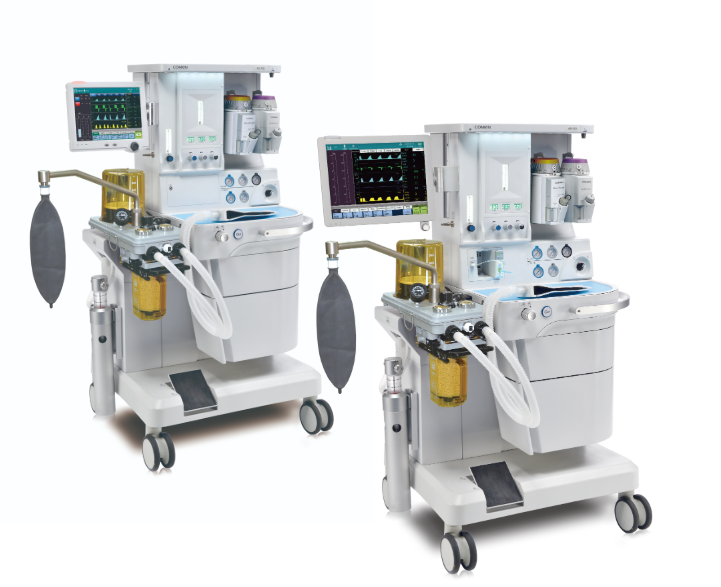
Now, looking forward—let’s compare options with a pragmatic eye. If you focus on the common gas outlet assembly first, you get outsized returns: fewer turnover delays, less scavenging system misalignment, and a smoother handoff between anesthesia circuits. I’ve tested three retrofit kits in New Jersey ORs in 2019 and saw a 12–18% reduction in setup time when kits standardized the outlet interface—simple tolerances, better seals, minimal training. The better designs cut down on user tricks (you know the ones), reduce risk of cross-connection, and make maintenance predictable. In practice, I prefer upgrades that address mechanical alignment and offer a clear parts trail—no guesswork, no half-matched adapters.
What’s next for buyers and clinicians?
Think in terms of measurable checks: leak rate at the common gas outlet, replacement interval for seals, and time-to-ready between cases. I recommend three evaluation metrics when choosing a path forward—compatibility with existing breathing circuits, documented reduction in turnover time, and a clear spare-parts plan—because those are the things that actually change daily work. We should be asking for vendor data, yes, but also running quick bench tests in our own ORs (I do them—simple challenge tests at 08:00 before lists). One minor interruption—buying the cheapest adapter is tempting; don’t. Short-term savings often create long-term fiddling.
Summary: small engineering improvements around the common gas outlet—better seals, precise connector tolerances, and clear spare-part kits—yield measurable operational gains. I speak from hands-on experience moving units, fixing leaks, and coaching teams; these solutions are practical, not flashy. For reliable equipment and sensible upgrades, consider vendors who document real-world results and support field-level maintenance. For practical sourcing and further reading on options, see COMEN: COMEN.