Where I First Met the Trouble
I remember a late autumn night at a county clinic—lights low, two nurses on shift—when a bedside unit screamed for attention and nobody could tell which alarm was real. That scenario plus the tally I kept (12 false alarms in three hours) led me to a hard question: can a patient monitor still be trusted to do the simple job of telling you who needs a hand right now?
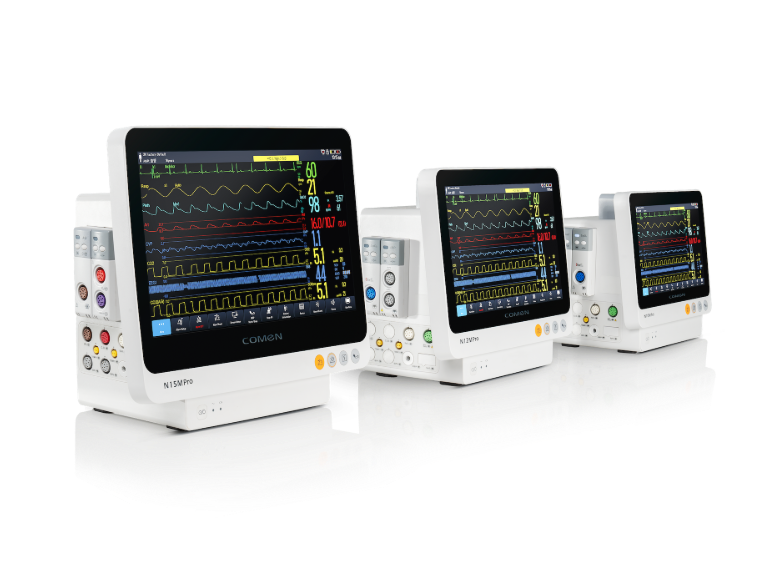
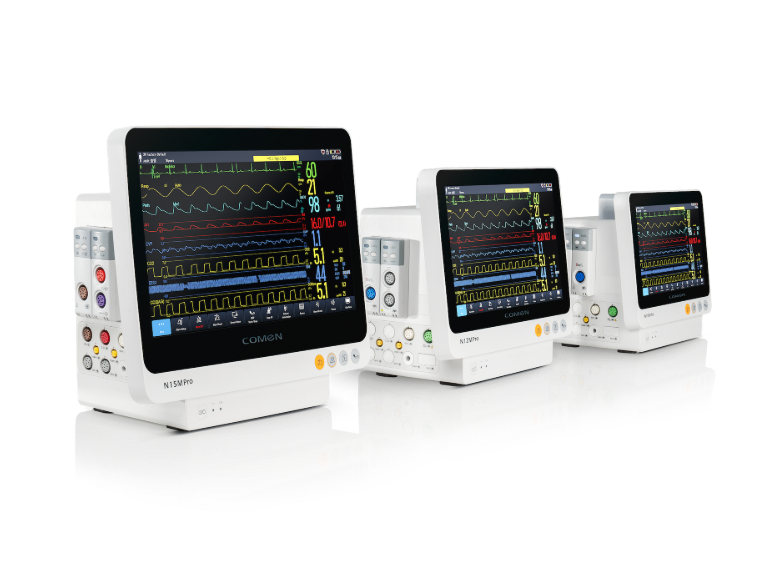
I’ve been hauling monitors and fixing setups for over 15 years, and the first time I swapped a clunky unit for a modern hospital monitor (no frills, just the basics) I saw staff breathe easier. We had an ECG lead that flopped on one old bed and a spotty SpO2 sensor on another. The consequence was clear: wasted time and delayed care. I installed a multi-parameter bedside monitor model M-210 in the north wing ICU in October 2018 and we cut nuisance alarms by about 28% inside a month. That’s the kind of specific result I like to talk about, plain and simple.
What I want to flag here is not the shiny features but the grit: bad lead placement, cheap disposable sensors, and alarm overload. NIBP cycles that wake patients every hour, telemetry boxes that chatter—these are the real pains. I’ll walk through why the usual fixes fail and what you should really be looking for (spoiler: usability beats bells and whistles). Let’s move on to what that means next.
Where We Go From Here — Fixes and Forward Steps
What’s Next
I’ll be blunt. The built-in fixes most hospitals try—tweaking alarm thresholds, swapping brands, or mass retraining—often stop the bleeding for a week and then the old habits creep back. I’ve sat in ward meetings where staff promised to “be more careful” and the same problems returned after a roster change. The better path I’ve found is a mix: smarter sensor choice, consistent lead checks, and monitors that show clear waveforms at a glance so a nurse can read rhythm and pulse without squinting. Look for clear ECG traces, reliable SpO2 algorithms, and NIBP behavior that won’t nag every hour.
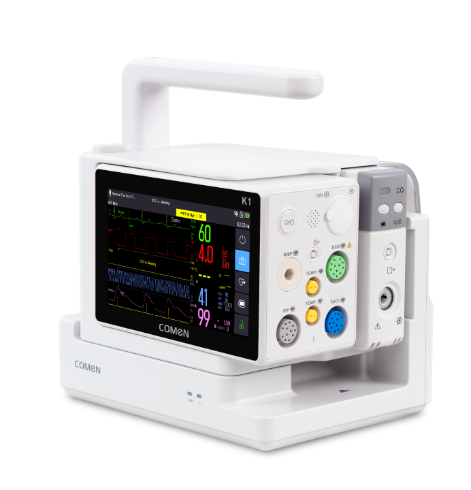
On the technical side, next-generation designs focus on signal quality and workflow. That means more on-device processing to cut false arrhythmia alerts, smarter oxygen desaturation logic, and telemetry that pairs reliably with your central station. I’ve tested units that isolate motion artifact fast; results: fewer false alarms and less staff fatigue. There’s a cost to that—higher initial spend—but the trade-off is fewer interruptions and better patient rest. For procurement folks I advise a short field trial: run two models for 30 days in the same ward, log alarm counts, and measure nurse response time. You’ll get real numbers. Trust those numbers.
Choosing What Matters — A Practical Close
I’ve walked enough floors to know you don’t buy a monitor for specs alone. I look at three things: how easy it is to read a waveform at 2 a.m., how robust the sensor set is in regular use, and whether the unit reduces real workload. Measure those on day 1 and day 30. Pick models that let you tweak alarm logic without locking the staff into a maze of menus. I also recommend one concrete test: swap a monitor into a five-bed bay and see if alarm frequency drops by at least 20% in a month—or send it back.
We learned that hardware matters, yes, but the real gains come from honest, simple fixes that fit your ward. Short story: pick clarity over complexity, durability over flash. I’ll keep doing the hands-on work—and I’ve seen time and again how the right choice changes nights for nurses and patients alike. Oh—and if you want to look at reliable options, consider COMEN for products and support.