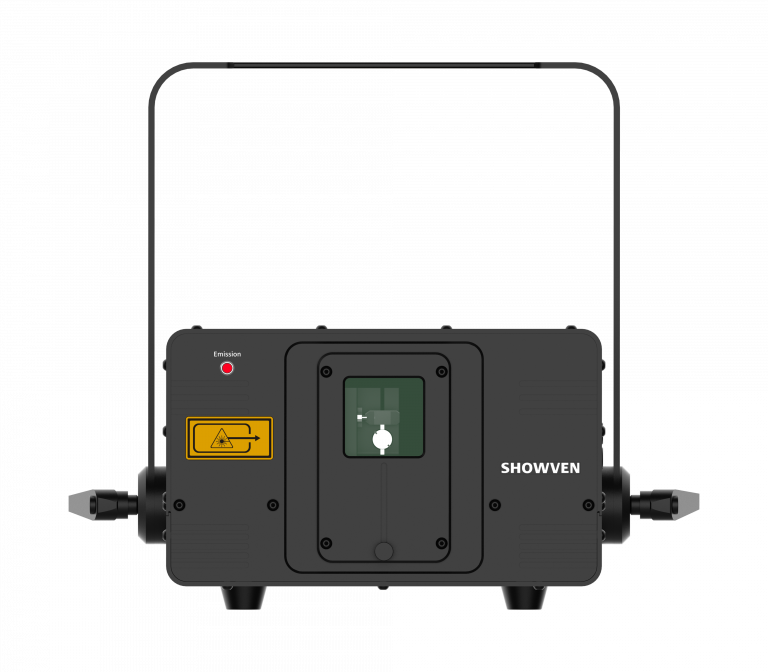
Introduction: Systems Over Specs in Modern Stage Beams
A modern stage laser rig is not a single box; it is a system of optics, scanners, control, and power that must act as one. Stage Laser Lights live or die by how those pieces sync under real show pressure. Picture an arena load-in at dusk: haze is thick, humidity rises, and timing windows shrink to seconds. In field audits and tech logs, a notable share of failures cluster around control-protocol mismatches, scan alignment drift, and power converters that choke when duty cycles spike (it happens right as the chorus hits). The numbers vary by venue, but the pattern repeats enough to matter. So the better question is simple: what separates a reliable laser system from a shiny spec sheet?
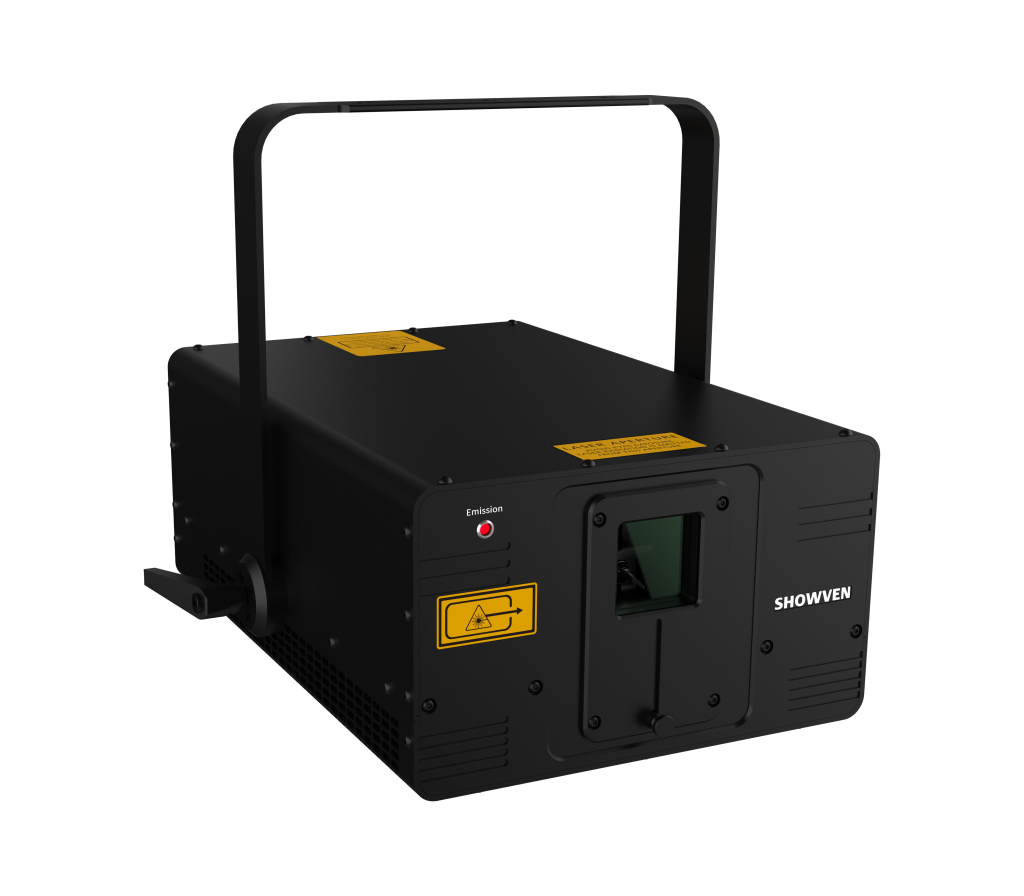
We compare where it counts—how the beam behaves, how safety holds, and how fast the crew gets back to green after a glitch. Let’s start with the concert stage and its very specific stress tests.
Concert Rigs: The Hidden Frictions Behind the Glow
Why do pro rigs still fail under pressure?
Most concert lasers look solid on paper, yet minor frictions show up once the doors open. Look, it’s simpler than you think: mismatched control paths are the first tripwire. ILDA lines route clean vector data, while DMX512 stacks cues but lacks the same granularity for high-speed vector control. When operators mix both without a plan, you see jitter at tight scan angles and unexpected optical attenuation. Add galvanometer thermal drift during long hits at 30–40 kpps, and that tight logo at 12° field becomes an egg. Beam divergence tolerances and wavelength balance can hide small misalignments that only appear in haze. Crew fix what they can—then doors open, and the room changes everything.
Hidden pain points persist off the spec sheet. Emergency stops that trip too often slow resets. Safety interlocks wired through daisy-chained power relays introduce lag. IP ratings promise resilience, yet condensation can skew sensors just enough to throttle output. Duty cycle spikes make mediocre thermal management pull scan speed back to “safe mode”—funny how that works, right? And when patch time is short, unclear UI logic means the wrong profile loads and you chase bugs all night. The result is not a dramatic failure; it’s micro-instability that steals punch and timing. And in a live mix, a small timing miss reads as a big creative miss.
Comparative Shift: New Control Principles That Change the Show
What’s Next
There is a quiet pivot from raw power to predictable control, and the principles are clear. First, deterministic timing. Network sync via PTP and sACN pushes frame accuracy so scanners hold vector fidelity at show tempo. Second, edge intelligence. Fixtures act like small edge computing nodes, running health checks on scanners, drivers, and fans, then shaping output in real time. Third, predictive thermal management. Instead of blunt throttling, firmware models heat flow and adjusts current at the driver, keeping beam shape stable under load. This is where a theater laser projector can behave like a precision instrument—FPGA timing, constant-current drivers, and smarter PWM keep the beam consistent, not just bright.
Compared with legacy stacks, the cabling shrinks while insight grows. IMU-assisted auto-leveling reduces setup iterations; camera-based feedback can re-center at the projector without manual tweak. Better power converters cut noise and sag when multiple fixtures hit full-on cues. Latency becomes predictable, which matters when lasers lock to timecode, drones, or motion-tracked dancers. The net effect is simple: fewer surprises, faster clearance, stronger looks. And yes, those small wins spread across a tour add up—less reprogramming, less stress, more headroom for creative risk.
How to Choose with Confidence
Make the decision measurable. First, scan fidelity under stress: verify kpps at a realistic scan angle (8–12°), linearity, and beam divergence stability over a full set, not just a minute. Second, safety stack completeness: hardware interlocks, responsive E-stop behavior, audience scanning limits, and logged fault handling you can review later. Third, integration and service: clear DMX/Art-Net/ILDA profiles, firmware tools, and IP65 options that resist real weather without throttling output—because rain finds weak points, and usually at showtime. If a system proves these in a quick on-site test, you’ll feel it in the first cue. For deeper technical benchmarks and comparable specs, see Showven Laser.