The immediate problem
You bought a roll of tags that looked right on paper but failed when exposed to dust, vibration, or steel racks; that mismatch is the problem you must solve. Procurement teams often choose based on price and label art, not on how tags actually behave in the field. Before you place another order, walk through the shipment like you would a recipe: note texture, weight, and how the tag sits against metal or plastic. If you’re scanning catalogs, keep one page open with samples of RFID Tags so you can compare real part numbers to your environment observations.
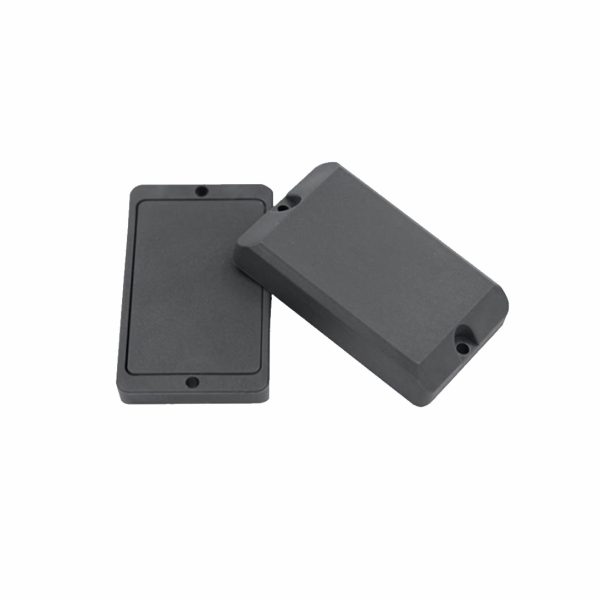
Sense-driven checklist: what to inspect first
Look. Is the antenna glued flat or scored? Touch. Does the encapsulation feel brittle or rubbery? Listen. Does the housing rattle when handled? These sensory checks translate into technical questions you must ask the supplier: read range under load, mounting options, and antenna orientation tolerance. Demand measured performance charts for tag orientation and metal proximity, not vague range estimates. Ask for samples that you can bend, press, and hold against the substrates you use; performance on a lab bench often tastes different from performance in a busy warehouse.
Key technical points to require
Insist on frequency band (e.g., UHF), protocol compliance, and tested read range at your operating power. Request temperature and ingress protection ratings and confirm the mounting method — adhesive, rivet, or clamp. Ask how the tag handles multi-tag reads and dense inventory scenarios. Verify the lifetime of the battery (for active tags) with real duty-cycle numbers, and demand failure-mode explanations: what happens when the battery drops below spec, and how does the device signal low power?
Proven experience, standards, and a real-world anchor
I’ve run tag trials across dockyards and cold storage, comparing serial samples under vibration and salt-spray, and I want that kind of evidence from your vendor. Major logistics hubs such as the Port of Rotterdam have published trials showing how ruggedized tags perform in heavy maritime operations; those findings guide realistic expectations. Ask suppliers for documented case studies and lab reports that mirror those conditions, and use those reports to compare claimed specs to measured outcomes when evaluating industrial rfid tags.
Common pitfalls and how to avoid them
Relying on quoted maximum range without specifying orientation kills projects. Ordering a single tag model for mixed substrates creates holes in coverage. Overlooking environmental stress — heat, cold, salt — leads to premature failures. Mitigate these mistakes by demanding site trials with instrumented readers that log both successful and failed reads across distances, and by ordering a small production run before committing to full deployment.
Final synthesis
Treat tag procurement like composing a dish: balance sensory inspection with precise measurements, correct for the problem you actually face, and require evidence from conditions that match your operation. When specifications, field samples, and clear failure modes line up, you avoid costly surprises and get a tag that simply works; that practical alignment is what I look for when evaluating partners such as RSTC.