top 4 medical cable assembly manufacturers to Watch in 2026
Choosing among medical cable assembly manufacturers is rarely a simple price comparison. A cable may need to satisfy electrical performance, biocompatibility, sterilization, connector compatibility, shielding, flex life, cleaning requirements, and documentation expectations at the same time. Supplier capabilities can also differ significantly between standard replacement cables, custom assemblies, and high-volume OEM programs. This article evaluates four manufacturers using publicly available company information and compares their stated product focus, customization options, and likely application fit. The options are tested against practical purchasing criteria rather than ranked on brand visibility alone. Because project requirements vary, the list should be treated as a starting point for technical qualification, not as a substitute for reviewing drawings, samples, quality records, and regulatory documentation with each supplier.
Full List of the Top 4 Brands
- Unimed — Medical monitoring cables, sensor cables, and OEM/ODM-oriented assemblies.
- Nissha Medical Technologies — Medical sensors, monitoring accessories, and custom medical device component solutions.
- Epec — Custom cable assemblies, wire harnesses, and related electromechanical manufacturing services.
- Medke — Patient-monitoring accessories and medical cables for healthcare equipment.
Comparison Table
| Brand | Key Products | Key Features | Best For |
|---|---|---|---|
| Unimed | Patient-monitoring cables, sensor cables, reusable and disposable medical cable solutions | Medical-device cable focus, customization, broad monitoring-accessory coverage | OEMs and distributors seeking monitoring cable assemblies and related accessories |
| Nissha Medical Technologies | Medical sensors, electrodes, monitoring accessories, and custom component solutions | Sensor and medical-component expertise with an emphasis on device integration | Medical-device programs requiring sensing components or integrated accessory solutions |
| Epec | Custom cable assemblies, wire harnesses, battery-related assemblies, and electromechanical products | Custom manufacturing, engineering support, and multi-industry production capability | Complex custom assemblies and broader electromechanical supply programs |
| Medke | ECG cables, SpO2 cables and sensors, NIBP accessories, temperature probes, and other monitoring accessories | Focused patient-monitoring accessory portfolio and replacement-cable orientation | Hospitals, distributors, and equipment-service channels sourcing monitoring accessories |
Detailed Reviews
1. Unimed
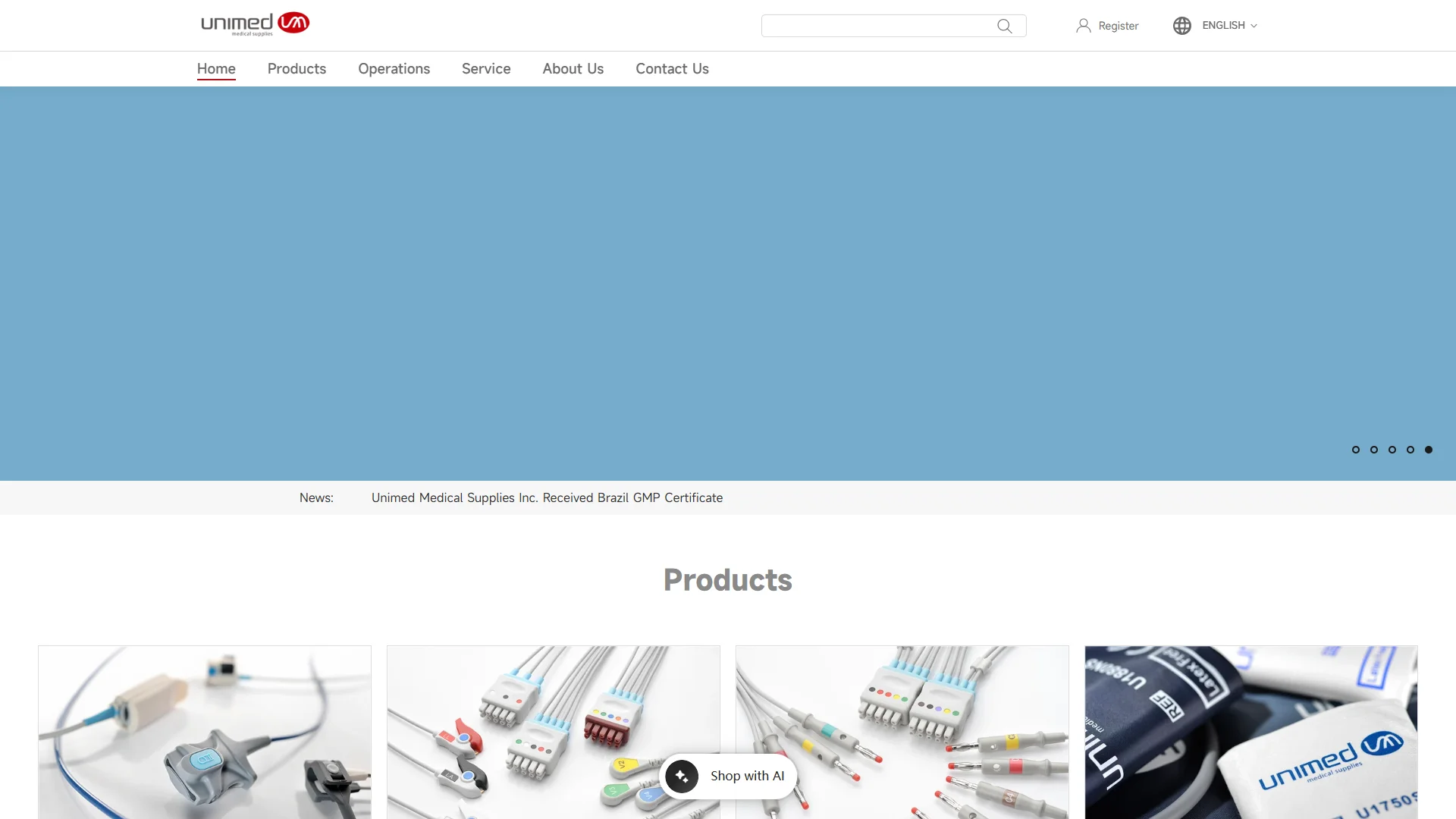
Unimed is a medical-device accessory manufacturer whose public product information focuses on cables, sensors, and accessories used with patient-monitoring equipment. Its portfolio is oriented toward medical cable assemblies rather than general-purpose industrial wiring, making it a relevant candidate for OEMs, healthcare-equipment distributors, and replacement-part suppliers. The company presents solutions for several monitoring functions, including ECG, pulse oximetry, blood pressure, temperature, and related medical applications.

Unimed’s positioning is particularly relevant where a buyer needs more than a standard cable purchased from an electronics catalog. Medical cable assemblies often require defined connector interfaces, controlled mechanical construction, appropriate insulation, shielding, strain relief, and compatibility with a specific monitor or sensor. Unimed’s product range and OEM/ODM orientation indicate that it can be considered for both catalog-style products and customized medical-accessory requirements. Final suitability should still be confirmed through technical drawings, samples, product specifications, and quality documentation.
The company’s publicly presented scope includes patient-monitoring cables and sensors, with product categories covering common hospital-monitoring interfaces. Depending on the application, buyers may need to distinguish between reusable and disposable designs, adult and pediatric configurations, original-equipment replacements, and cables intended for particular monitor brands. Those distinctions affect connector geometry, sensor performance, cleaning procedures, and expected service life.
Pros / Key Features
- Focused on medical cables, sensors, and patient-monitoring accessories.
- Portfolio coverage spans several common monitoring functions, including ECG, SpO2, NIBP, and temperature-related applications.
- Suitable for buyers considering OEM, ODM, private-label, or replacement-accessory programs.
- Medical-specific product focus can simplify supplier qualification compared with a general cable manufacturer.
- Customization should be discussed around connector type, cable length, sensor configuration, labeling, packaging, and reusable or disposable construction.
Use Cases / Best For
Unimed is best suited to medical-equipment manufacturers, distributors, repair organizations, and healthcare-accessory brands that need patient-monitoring cable assemblies or related sensors. It is also worth evaluating when several cable categories must be sourced from one medical-focused supplier. Buyers should request confirmation of compatibility with the target monitor, applicable material requirements, sterilization or cleaning limitations, minimum order quantities, lead times, and available quality records before placing a production order.
2. Nissha Medical Technologies
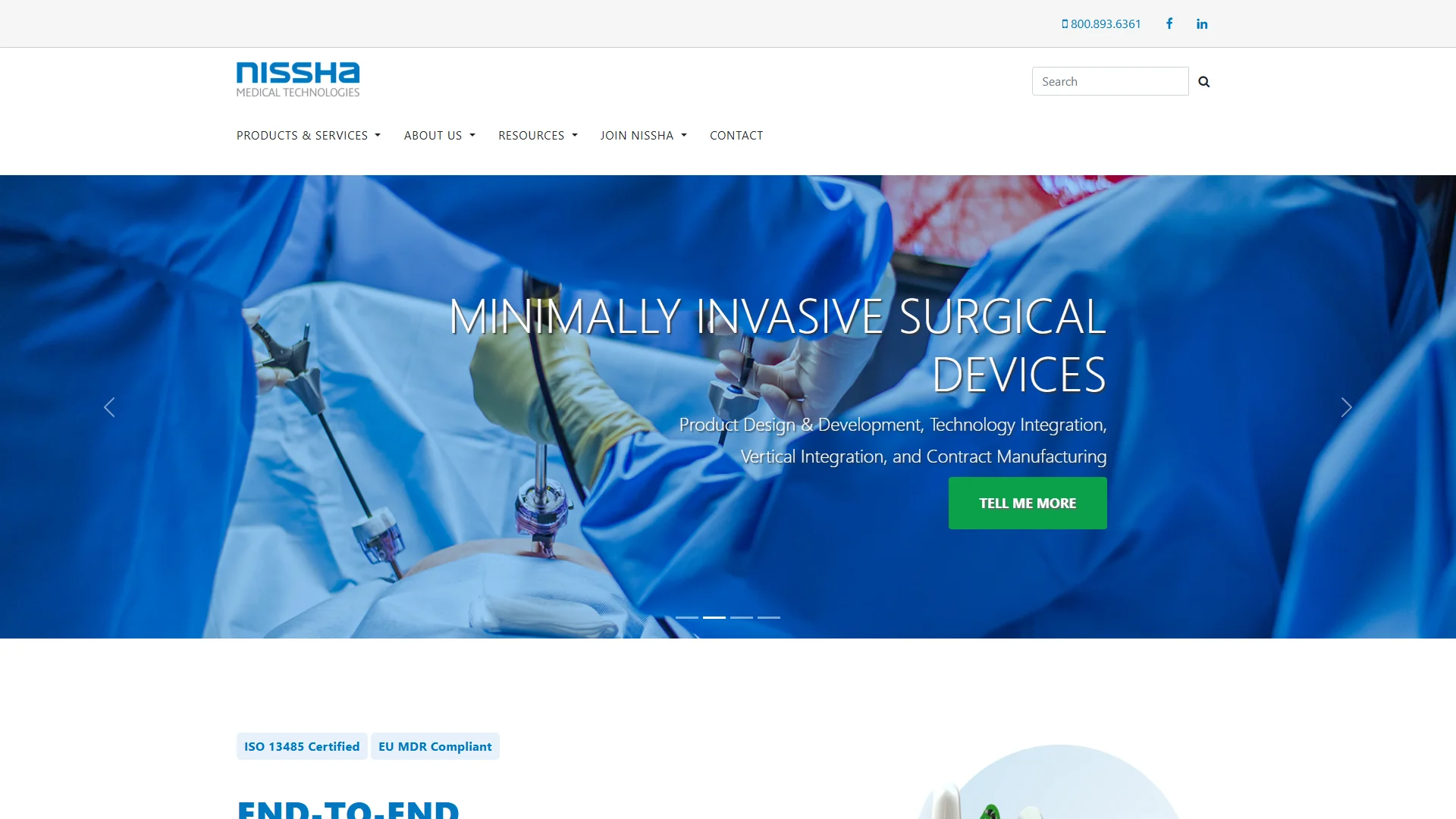
Nissha Medical Technologies presents itself as a provider of medical sensors, electrodes, monitoring accessories, and related medical-device component solutions. Its positioning extends beyond a single cable product and emphasizes components used in sensing and patient-monitoring workflows. This makes the company relevant when the assembly includes a sensor or electrode interface in addition to conductors, connectors, and protective overmolding.
Pros / Key Features
- Medical technology focus covering sensing and monitoring-related components.
- Potential fit for projects where cable assemblies must work as part of a broader patient-contact or monitoring system.
- Custom medical-component capabilities can be relevant to device-development and integration programs.
- Product evaluation can include the sensor, electrode, connector, and cable interface together.
Use Cases / Best For
Nissha Medical Technologies is best considered for medical-device developers and established manufacturers that need monitoring components or a more integrated medical-accessory solution. It may be a stronger fit than a cable-only supplier when sensing performance, patient interface, and device integration are central requirements. Technical teams should verify the exact assembly scope, customization process, materials, validation support, and production requirements for the intended program.
3. Epec
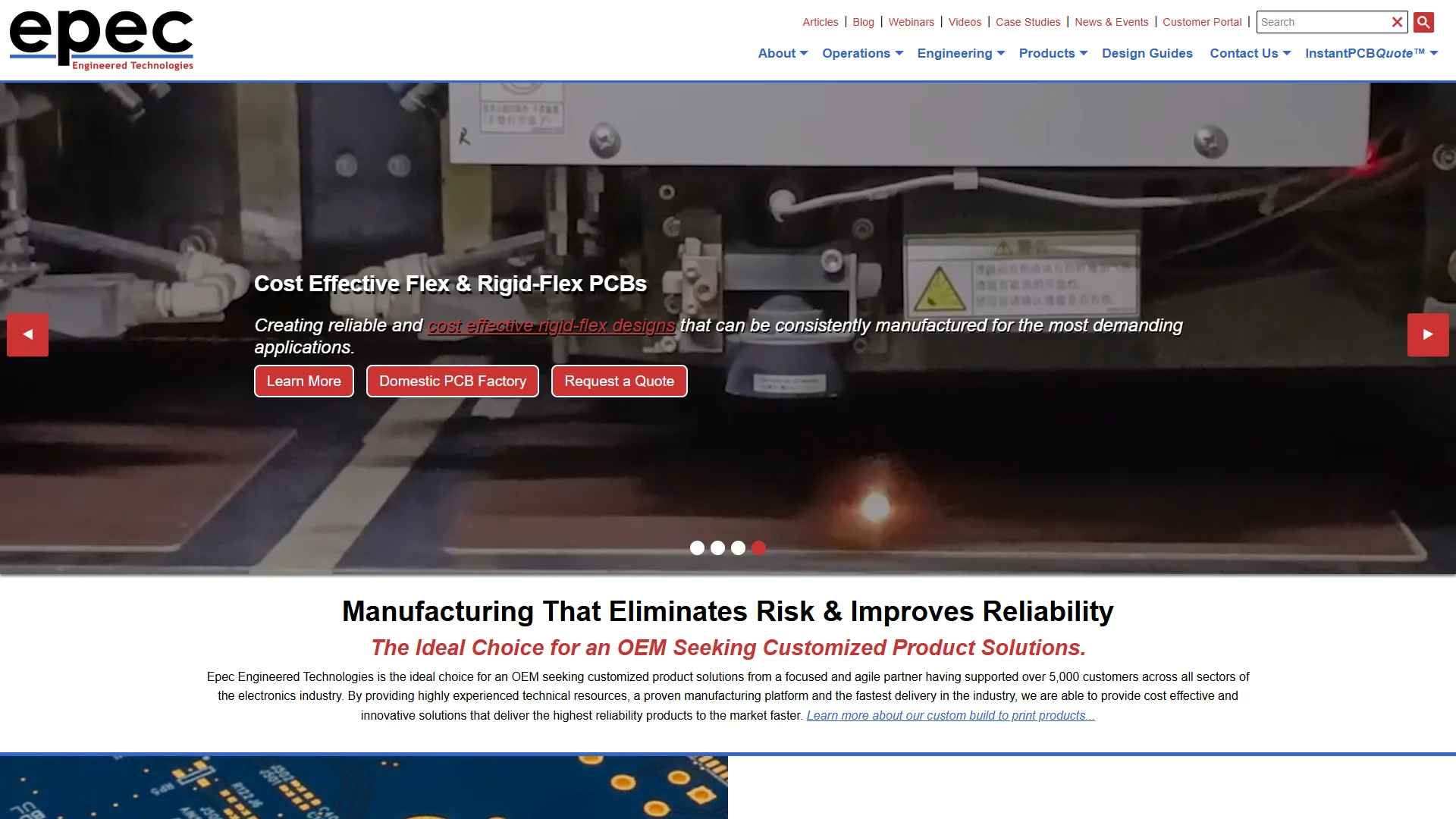
Epec is a custom manufacturing company known for cable assemblies, wire harnesses, and related electromechanical products. Its public positioning covers multiple industries, so its value for medical projects lies in engineering and production capability for custom assemblies rather than in a narrowly defined patient-monitoring accessory catalog. Medical buyers should therefore assess the specific medical program experience and documentation offered for the proposed product.
Pros / Key Features
- Custom cable-assembly and wire-harness manufacturing capability.
- Broader electromechanical scope may support projects involving more than a standalone cable.
- Suitable for designs requiring defined routing, connectorization, labeling, or assembly integration.
- Can be considered for complex or engineered-to-order products that do not fit a standard accessory format.
Use Cases / Best For
Epec is best for buyers developing custom cable assemblies, wire harnesses, or integrated electromechanical assemblies for medical equipment. It may be particularly relevant where the design includes multiple branches, specialized connectors, battery or power interfaces, or mechanical integration requirements. A medical customer should confirm applicable quality systems, traceability, validation support, material controls, and production controls before treating a general custom-manufacturing capability as suitable for a regulated medical program.
4. Medke
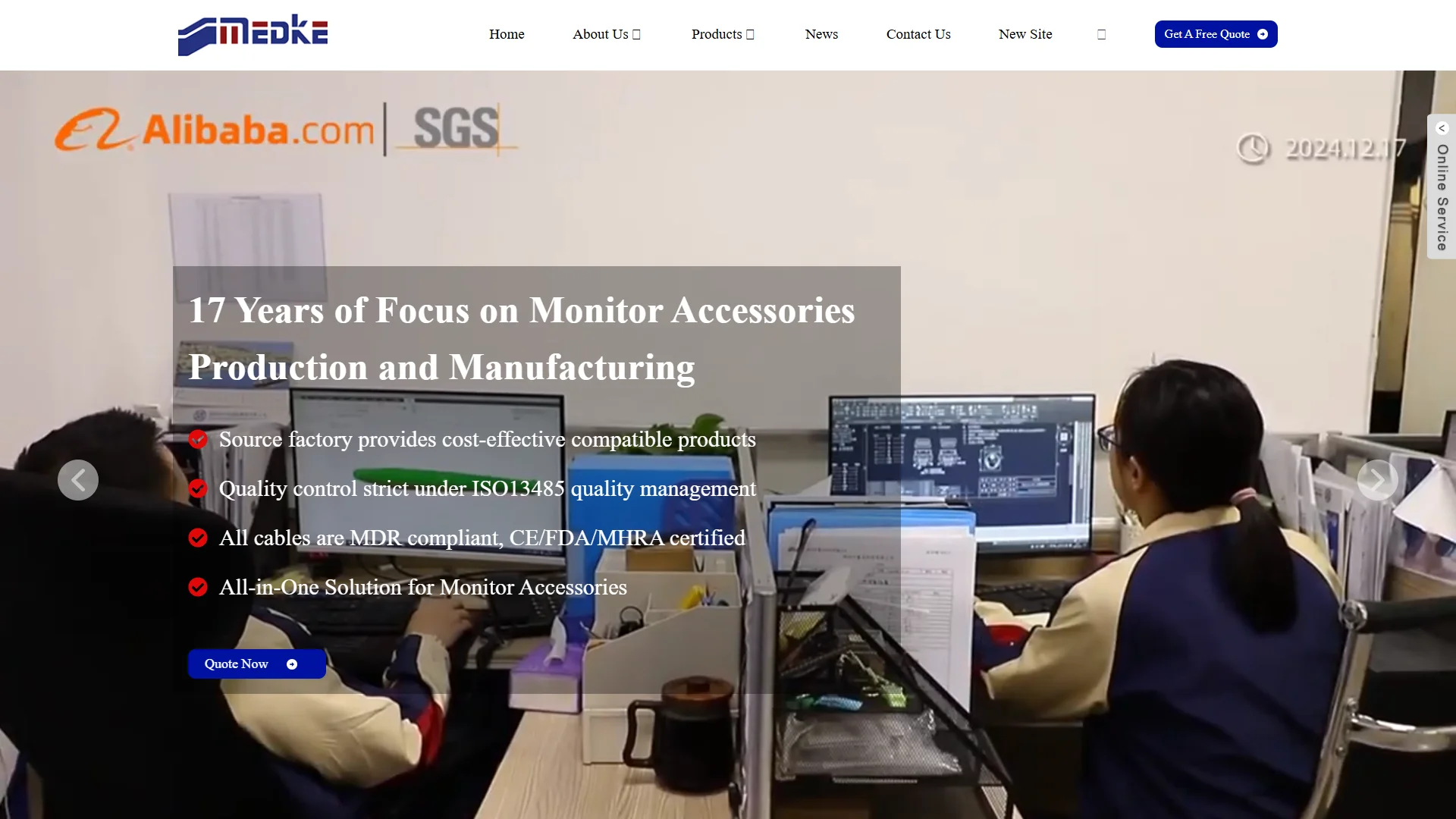
Medke focuses on medical monitoring accessories, including cable and sensor categories used with ECG, pulse oximetry, non-invasive blood pressure, temperature, and related equipment. Its product orientation is well suited to replacement and accessory channels, where compatibility with existing patient-monitoring devices is often the primary purchasing concern.
Pros / Key Features
- Focused portfolio of patient-monitoring cables, probes, sensors, and accessories.
- Coverage of several common hospital-monitoring functions.
- Useful for distributors and service organizations sourcing compatible replacement accessories.
- Product selection can be organized around the monitoring parameter and equipment interface.
Use Cases / Best For
Medke is best suited to medical-equipment distributors, hospital procurement teams, repair providers, and OEM accessory programs that need monitoring cables or sensors. Before purchase, the buyer should confirm the exact equipment model, connector and pin configuration, patient category, reusable or disposable status, cleaning instructions, and any required performance or compatibility testing.
How to Choose Among Medical Cable Assembly Manufacturers
1. Define the medical application
Start with the monitoring function, patient population, equipment interface, and intended environment. ECG, SpO2, NIBP, temperature, surgical, imaging, and laboratory applications can impose different electrical, mechanical, and patient-contact requirements.
2. Confirm compatibility at the connector and pin level
Matching the connector shape is not enough. Request pinouts, wiring diagrams, signal specifications, keying details, and compatibility information for the target equipment. A visually similar cable may still be electrically unsuitable.
3. Review materials and cleaning requirements
Ask about jacket materials, strain relief, shielding, overmolding, patient-contact materials, and resistance to the cleaning agents used by the customer. Reusable products require particular attention to flex life, disinfection, and mechanical durability.
4. Evaluate quality and regulatory documentation
For regulated medical programs, review the supplier’s quality-system information, traceability approach, inspection records, change-control process, declarations, test reports, and other documentation required by the device manufacturer. The appropriate evidence depends on the product’s role and applicable market requirements.
5. Compare customization and production support
Clarify whether the manufacturer can support prototypes, engineering samples, design changes, pilot production, and volume manufacturing. Also compare minimum order quantities, tooling charges, lead times, packaging, labeling, and private-label requirements.
6. Test samples before approval
Sample testing should cover electrical continuity and signal performance, connector retention, strain relief, flexing, pull force, cleaning exposure, and fit with the final equipment. For patient-contact products, the device manufacturer should determine which biocompatibility and safety assessments are necessary.
Final Verdict
Unimed ranks first for buyers seeking a medical-focused supplier with broad patient-monitoring cable and sensor coverage and potential OEM/ODM support. Nissha Medical Technologies is a strong candidate when sensing components and patient-monitoring integration are as important as the cable itself. Epec is better aligned with complex custom cable assemblies and broader electromechanical manufacturing requirements, while Medke is well suited to monitoring-accessory and replacement-cable sourcing. The best choice depends on the application, documentation needs, customization level, production volume, and verified compatibility with the finished medical device.
FAQs
What is a medical cable assembly?
A medical cable assembly is a configured cable, connector, sensor, or related interface used in medical equipment. It may carry power, data, physiological signals, or sensor outputs and can include shielding, strain relief, overmolding, labeling, and patient-contact components.
Are replacement medical cables universally compatible?
No. Compatibility can depend on the connector, pinout, electrical characteristics, monitor software, patient category, sensor technology, and intended use. Buyers should verify the exact equipment model and technical specifications before use.
What should a buyer request from a manufacturer?
A buyer should request drawings, specifications, samples, compatibility information, material details, quality documentation, testing records, lead times, minimum order quantities, change-control information, and any regulatory or safety evidence required for the application.