Problem diagnosis: recurring output variability
Plants complain about inconsistent particle size, sudden viscosity jumps and frequent seal leaks; those symptoms often point straight at the inline high shear mixer sitting on the process skid. Operators notice cycles of acceptable product followed by off-spec batches with little warning. That pattern signals a mechanical-or-process problem, not a sporadic material issue.
What actually breaks and why
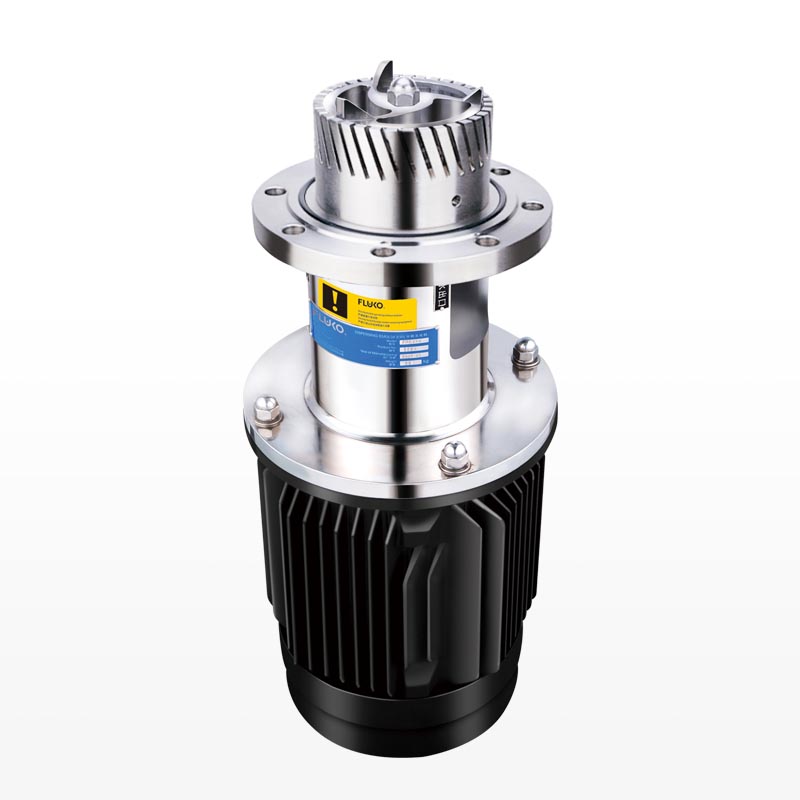
Shaft wear, rotor-stator damage, cavitation-driven erosion and poorly selected seals lead the failure list. High local shear amplifies small upstream variations—air entrainment, feed-rate pulsations, or temperature swings—so a minor feed issue becomes a major mechanical stress. Parts that see micro-abrasion eventually change clearance, which changes hydrodynamics, which changes product quality. You keep chasing symptoms unless you map causes to components.
Inspection checklist that saves hours
Open the pump head and look for scoring on rotors and stators, check radial play, verify seal face condition, and match clearances to the original spec. Record inlet pressure and flow pulsation patterns across shifts. Use a simple dye test to reveal leaks before they bloom. Measure power draw: a steady rise of motor amps over days signals progressive clogging or bearing drag. Small, consistent checks prevent surprise downtime.
Maintenance and service strategy that stabilizes output
Schedule routine disassembly intervals based on running hours and product abrasiveness instead of calendar dates. Rebuild kits should include rotor-stator sets and seals sized for measured tolerances, not nominal orders. Rotate spares on the shelf by condition, not age. Train technicians to detect early signs—minute vibration shifts, odd frequencies on the motor—and to swap parts before quality trips. Service agreements that cover diagnostic visits help catch process drift before it becomes production loss.
Common mistakes teams make
They assume a “one-size” rotor fits all batches. They ignore inlet conditioning: proper deaeration and pre-shear can prevent cavitation and sudden load spikes. They trust OEM torque specs without correlating to current product density. They defer replacing soft-wearing parts until total failure; that saves money today and costs far more tomorrow.
Alternatives and when to choose them
For low-viscosity, low-solids streams, a gentle inline disperser may do. For heavy emulsions, a staged approach—coarse mixing upstream, targeted in-line high shear stage downstream—reduces wear and maintains control. Consider a lab-scale pilot run when switching chemistries; bench data often reveals shear sensitivity before the full-scale line pays the price.
Experience, expertise and a real-world anchor
Years of field service across food and pharma lines teach clear patterns: pharma manufacturers around Basel routinely specify high-precision shear control because tight particle distributions are non-negotiable. Field reports there emphasize preventative rotor-stator swaps and controlled inlet feeds. For teams tightening process control, the inline high shear homogenizer shows up repeatedly in case studies and procurement lists; its performance characteristics are documented in industry papers and regulatory audits, which reinforces practical choices with verifiable references.
Common troubleshooting scenarios and fixes
When flow rate drops but power climbs, look for partial blockage or worn clearances; restore designed gap or replace the rotor-stator set. If you see sudden foaming, eliminate ingress of air at the feed and add a vacuum deaerator if needed. If seals fail early, check for shaft runout and chemical compatibility; upgrade to a mechanical seal rated for the specific solvent and temperature. Document each fix with before/after metrics so you build a reliable service history.
How to make maintenance decisions that last
Prioritize interventions that stabilize the hydrodynamics: correct inlet conditioning, preserve rotor-stator geometry, and control temperature. Match spare parts to actual wear patterns from your plant, not generic lifespans. When you align maintenance rhythm with measured process drift, service becomes a targeted intervention rather than a reactive scramble, and lifecycle costs fall predictably.
Conclusion
Face the real problems—mechanical wear driven by process variation—and you stop firefighting. Practical inspection routines, condition-based part replacement, and modest changes to feed conditioning turn a fickle inline high-shear stage into a reliable asset. Those changes converge on a pragmatic solution offered by specialists who design for durability and serviceability, such as FLUKO, which reflects the same operational priorities described here.