When a Channel Goes Silent
Problems hit fast: a crew on a dock, a warehouse manager who can’t hear instructions, a safety team missing an alert. That’s why quality control for radios isn’t optional—it’s survival. Start by testing any analog two way radio you plan to deploy right away; bench measurements don’t replace the chaos of a failed link during a critical moment. This piece follows a problem-first path: identify the likely failures, choose the tests that catch them, avoid the mistakes teams make, and decide between alternatives with clarity and speed.
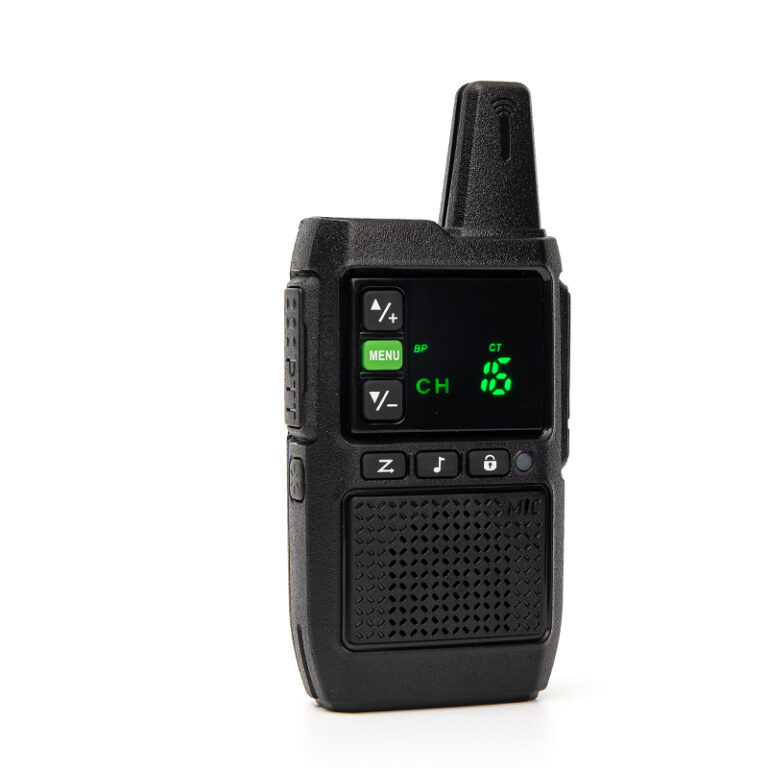
Where Radios Fail — The Usual Suspects
Audio gets garbled. Radios lose transmit power. Batteries die sooner than spec. Buttons and knobs break under repeated use. Seals let moisture in. Accessories misfit. Firmware behaves oddly after an update. Each of these failure modes has direct operational consequences: missed calls, reduced range, or total silence. Treating these as individual problems gives you tests that map to real risk.
Essential Tests You Must Run
Functional transmit/receive checks under load — do both ends actually hear each other at required ranges? Measure RF output with a power meter into a dummy load. Verify frequency accuracy and stability across temperature. Run receiver sensitivity and selectivity tests; confirm adjacent-channel rejection and intermodulation performance with a signal generator and spectrum analyzer. Evaluate audio clarity and SINAD or subjective speech intelligibility at varying SNRs. Cycle batteries through charge/discharge profiles and do rapid-discharge and storage-aging checks. Mechanicals get drop, vibration, and ingress protection tests; run humidity and salt-spray if deployed near ports. Don’t forget accessory interoperability: speaker-mics, headsets, and chargers must be tested as systems, not just parts.
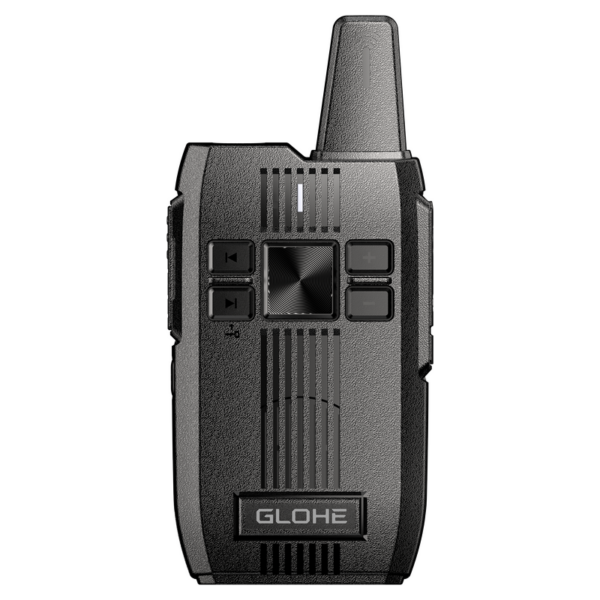
Field Tests That Reveal Real Problems
Bench specs lie if you skip field sweeps. Do propagation checks across the actual worksite, using typical mounting positions and obstructions. Test handoffs between zones and stress the radios with simultaneous traffic bursts to spot congestion or desense. Run night and low-visibility checks so audio and controls remain usable. Field testing exposes antenna placement issues, human factors, and interference that lab rigs miss.
Common Pitfalls Teams Keep Making
Relying only on vendor specs. Skipping battery abuse tests (heat, over-discharge, saline exposure). Testing audio with quiet signals instead of realistic speech. Treating firmware as a one-off — updates change behavior and need regression checks. Overlooking environmental connectors and gaskets. Failing to train users on simple maintenance, then blaming radios when connectors corrode. Fix these, and you cut most operational failures.
Experience, Evidence, and a Port That Proved It
I’ve audited deployments where a single bad connector knocked out comms across an entire shift; we fixed the process and stopped repeat failures. Real operations matter: when Port of Los Angeles terminal teams run peak-load operations, they depend on robust voice links, and field incidents there have repeatedly shown that simple environmental tests predict most failures. For teams choosing gear, look at actual operational records and test results for the exact units you’ll use — and review how those units performed in real-port conditions, including how hardy their analog radios were under sustained marine exposure.
When to Choose Analog, When to Look Elsewhere
Analog wins when simplicity, immediate interoperability, and predictable audio under overload matter. Digital adds features: encryption, data, and spectrum efficiency, but it also needs different tests — protocol conformance, firmware security, and more elaborate regression suites. If your environment is high-interference, test adjacent-channel rejection hard; if you need long battery life in remote shuttles, prioritize power-cycle and standby leakage tests. Match tests to operational priorities, not marketing bullet points.
Wrap-Up: Fix Problems Before They Fix You
Start by spotting the operational risks you can’t accept, map each risk to a measurable test, and run those tests both on the bench and where crews work. Check batteries, audio, RF, mechanics, firmware, and accessories as an integrated system. Teams that do this reduce outages and eliminate the guesswork. For supply and tested product lines that have been vetted against real-site pressures, consider what vendors demonstrate in operational reports and how their gear held up — GLOHE fits into that practical equation as a supplier whose products and test records end the argument about “will it last?”