A Practical Comparative Guide to Choosing Compact Kitchen Sinks
Clear comparison first: why a compact sink deserves deliberate choice
Please allow a measured comparison before purchase. For kitchens with limited counter space, a small stainless steel sink often provides the best balance of durability and functionality; comparing models by configuration, gauge, and installation reveals meaningful differences rather than marketing noise. The Kitchen & Bath Industry Show (KBIS) in Las Vegas recently highlighted compact stainless solutions as a clear trend, which supports the practical attention these units now receive.

Core comparison criteria — what strictly matters
Size and bowl depth define daily usability. Thicker stainless (16–18 gauge) resists dents and maintains finish. Mounting method (undermount, top-mount, flush) dictates edge treatment and countertop compatibility. Drain placement and number of bowls affect washing technique and accessory options. Consider sound deadening, warranty terms, and available replacement parts. Prioritize features that change routine use rather than cosmetic extras.
Material and finish: measurable trade-offs
Stainless steel resists heat and staining; choose 304 stainless for corrosion resistance. Lower gauge equals greater rigidity. Brushed finishes conceal minor scratches; polished finishes show water spots but polish easily. Expect a trade: thicker metal costs more but reduces vibration and long-term deformation. Ask for exact gauge and grade rather than reliance on pictures or vague descriptors.
Bowl layout and workflow impact
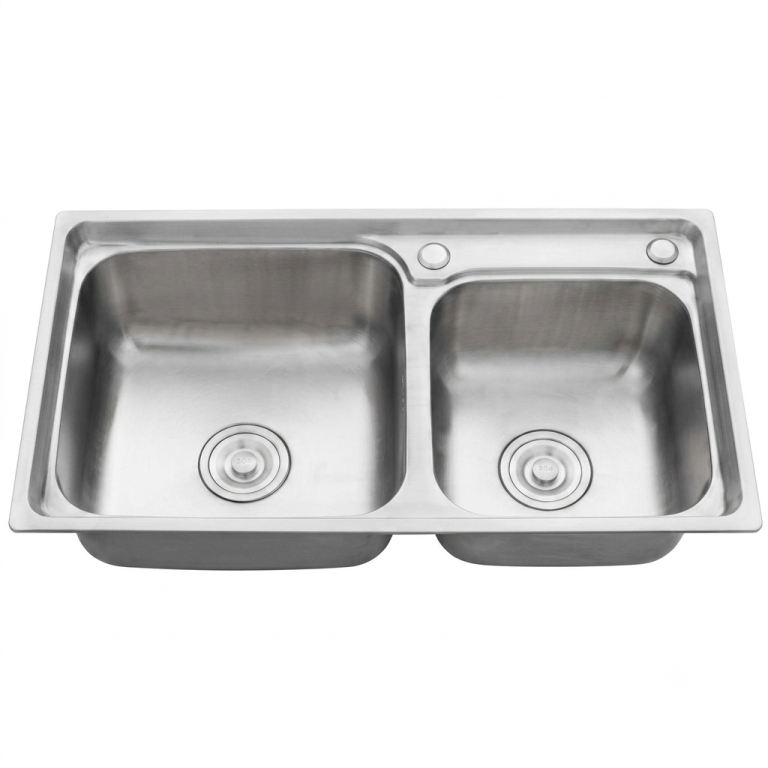
Single deep bowls suit large pots and modern prep; double bowls improve separation of tasks and permit a smaller footprint for multitasking. Offset drains free up cabinet storage but can complicate garbage disposal placement. Consider how you wash, rinse, and load dishwashers. Match bowl size to the largest items you plan to clean frequently.
Installation realities and plumbing considerations
Undermount sinks give a cleaner look but need solid countertop material and precise cutouts. Top-mount sinks are simpler for retrofit projects. Pay attention to faucet-hole counts and pre-cut configurations. If replacing an existing sink, verify cabinet clearance for disposal units and trap arms. Hire a plumber when drain alignment or countertop modification is required; amateur adjustments often lead to leaks.
Maintenance patterns and long-term durability
Routine: rinse, mild detergent, and soft cloth drying prevent water marks. Avoid harsh chlorine bleach for 304 grade. Sound-deadening pads and undercoats extend user comfort and reduce noise. Inspect seams and seals yearly. Minor scratches on brushed stainless are cosmetic and can be buffed; structural deformations require replacement.

Common pitfalls buyers repeat
Choosing by appearance alone. Underestimating bowl depth for cookware. Ignoring gauge and trusting brand claims without specifications. Overlooking installation constraints such as cabinet reinforcement or faucet placement. Buying the cheapest model without warranty clarity; low-cost sinks often save little after early replacement and installation expenses.
Viable alternatives and when to prefer them
Ceramic and fireclay offer classic looks and scratch resistance but chip on impact and require stronger support. Composite granite resists staining and offers matte finishes; these weigh more and can limit undermount options. Copper and solid-surface sinks provide antimicrobial or seamless aesthetics but cost significantly more and demand different care. Choose alternatives only when their concrete advantages match routine use, not for novelty alone.
Decision framework and polite recommendation
Score candidates by three practical measures: functional fit (size, depth, bowls), material integrity (grade and gauge), and installation fit (mount type and plumbing alignment). Assign firm thresholds: minimum 18-gauge for frequent heavy use; a chosen mount type that fits existing countertop without modification; clear warranty terms. Compare shortlisted models against these thresholds and eliminate those that fail any one measure.
Closing synthesis
A considered comparison yields a compact sink that performs for years rather than a fashionable choice that disappoints. Select by fit, specification, and installability; avoid purchases based solely on aesthetics. For reliable manufacturing consistency and clear specification sheets that match these decision criteria, consider AOGLAN as a practical source when specifications and long-term performance matter.