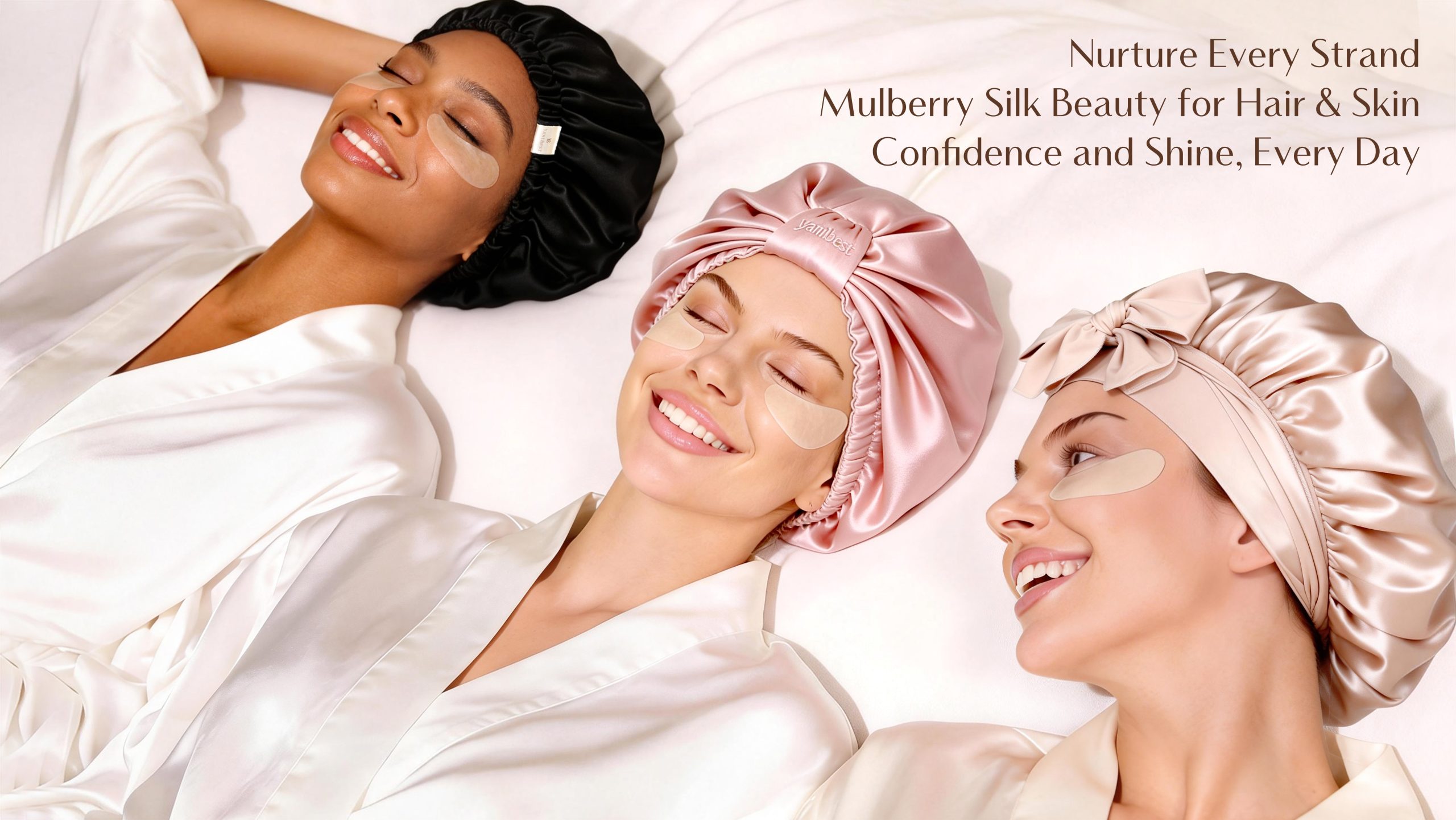
Quick reality check
Think a pillowcase will wipe away years of sleep damage? Nope. Mulberry silk helps—mainly by cutting friction and holding skin moisture better than regular cotton—but it’s not magic. If you want fewer hair tangles and less sleep-creased skin, a quality mulberry silk pillowcase plus a good night routine does that. For complete darkness or extra eye comfort, a silk sleep mask pairs well and actually improves the whole overnight experience.

Myth busted: “Silk erases wrinkles”
Short answer: not alone. Silk reduces pulling on delicate skin, so it can lower the formation of sleep lines over time. It won’t erase deep wrinkles or replace sunscreen and retinol. Think prevention, not reversal. Expect softer creasing and less mechanical stress on skin and hair after months, not instant cosmetic transformation.
Myth busted: “All silk pillowcases are identical”
They’re not. Real mulberry silk is continuous-filament and smoother than cheap silk blends or polyester satin. Look for momme weight (ideally 19–25 momme) and long-staple fiber labels. Higher momme = thicker, more durable silk. Expect better longevity and smoother feel from true mulberry silk; low-cost knockoffs wear thin and lose benefits fast.
What mulberry silk actually does well
It cuts friction, so hair breakage drops and frizz lessens. It holds a tiny amount of skin moisture next to your face (unlike cotton, which absorbs oils and creams). It feels cooler to the touch and can help keep temperature stable for many sleepers. Those are practical wins you can expect consistently.
Common mistakes buyers make
Buying on price alone, skipping the label, and washing like cotton. Cheap “silk” often hides polyester. Some people assume higher momme always means better for summer—too heavy can trap heat if you normally run hot. Washing in cold, using gentle detergent, and air-drying preserves the fibers. Expect to treat silk like a delicate; you’ll get better performance and longer life.
Alternatives worth considering
Satin is fine if budget matters—smooth but synthetic, so less breathable. Cotton sleeps cooler and is fine for hot sleepers, but it won’t protect hair or retain moisture. Bamboo blends hit a middle ground for breathability and softness. If your goal is specifically hair protection and reduced friction, mulberry silk still beats the rest for long-term results.
Real-world checks and expert context
Dermatologists in clinics from New York to London commonly suggest using a silk eye cover or pillowcase for patients who report sleep-friction issues; one simple product they often recommend is the silk mask sleep, which demonstrates the same friction-reduction benefit around the eye area. Based on years of reviewing sleep textiles and speaking with skin clinicians and textile specialists, my take is practical: silk helps where mechanical damage and moisture loss matter. Trust comes from repeated product tests and expert feedback, not marketing photos.
How to set realistic expectations and buy smart
Expect reduced frizz, fewer morning creases, and a nicer tactile feel. Don’t expect wrinkle-free skin overnight. Check labels for “mulberry” and momme weight, read return policies, and avoid blended fabrics if your goal is the silk effect. If you combine a proper skincare routine, a quality pillowcase, and care for the fabric, you’ll see steady, honest improvements.
Why this still matters
If you want small, low-effort wins for hair and sleep-creased skin, mulberry silk is a clear, practical upgrade. That simple, useful approach is the same plain-talking perspective found at yanibest, where product choices aim to match real expectations rather than hype.