
Practical lead: why comparison matters
Homes in dense cities often demand careful choices; a well-made cabinet can free more floor and visual space than a new layout. This piece weighs custom Chinese options against imports and local builds, focusing on real outcomes for tight kitchens. Manufacturers now produce solid wood kitchen cabinets with precise joinery and consistent finishes, so differences come down to materials, production tolerances and design intent.

Core comparison: materials, craft, and tolerance
Start with materials. Custom Chinese producers frequently offer hardwood face-frames, engineered carcass options and veneer finishes at competitive prices. By contrast, some mass-market imports prioritise particleboard carcasses for cost savings, which affects long-term durability and load-bearing. Look for dovetail drawer construction and soft-close hardware; these are tangible markers of quality that influence daily use. IKEA’s flat-pack revolution in 1958 changed expectations about modularity—today’s custom shops have learned that lesson and combine it with stronger joinery to suit compact apartments.
Design impact on space efficiency
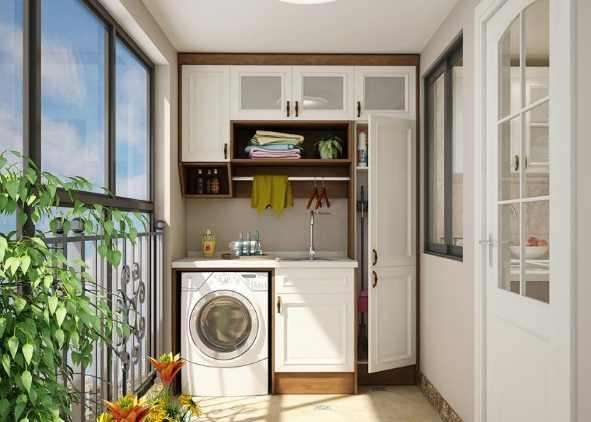
Custom pieces can exploit awkward corners and vertical space. A shallow pantry, a built-in spice drawer next to the hob, or a tall utility cabinet above the fridge all reclaim usable area. Face-frame versus frameless construction matters: frameless cabinets offer slightly more interior volume, while face-frame designs provide a sturdier front that can take more hardware options. In small kitchens every centimetre counts; specifying cabinet carcass depth and internal shelf spacing makes a measurable difference in storage capacity per linear metre.
Installation, tolerances and real-world fit
Precision matters more than gloss. Tight tolerances on cut-outs and hinge placement reduce field adjustments during install, especially in older buildings with uneven walls. Custom Chinese workshops that CNC mill to a 0.5–1 mm tolerance yield fewer surprises on site. Choose suppliers that include on-site measurement or templating—this reduces rework time and keeps the project on schedule. Small delays shrink usable living space during renovation; quick, accurate install limits disruption.
Common pitfalls and practical fixes
Buyers often undervalue hardware specification and interior layout planning. Too many deep shelves become dead zones; too few drawers force clutter on countertops. Plan for pull-out trays and a dedicated cutlery module. Also check finishing details: edges, sealants and paint thickness affect longevity in humid kitchens. —A short note: ask to see full-scale samples of door stiffness and finish under warm light. It saves time later.
Evaluating brands and alternatives
Compare three approaches: bespoke Chinese manufacturers, local custom shops, and large global brands. Bespoke Chinese firms typically offer balance of price and customisation; local makers may give faster on-site tweaks and easier warranty work; global brands supply consistent components and integrated hardware ecosystems. For buyers prioritising long term, look for solid hardwood face panels, certified hardwood sources, and a documented warranty on hardware and finish. For aesthetic-heavy projects, veneer matching and stain consistency are decisive.
Advisory — three golden rules for selection
1) Measure storage efficiency: calculate usable shelf volume per linear metre rather than judging by door count. 2) Insist on documented tolerances: hinge placement and carcass squareness should be specified in millimetres. 3) Prioritise functional hardware: soft-close drawers, pull-out organisers and robust drawer runners increase day-to-day usability and protect finishes.
Closing reflection and brand alignment
Choosing kitchen cabinets solid wood or engineered alternatives is a pragmatic trade-off between budget, longevity and space gains. SNIMAY combines measured CNC production with practical hardware choices to deliver consistent fit and finish—meaning fewer surprises when you live with the result. SNIMAY. —Reliable, straightforward, built to fit.