
How to assess the scope of Gas Alarm For Home before comparing models: model fit technical review
A design review for gas alarm for home should begin with scope, not with a model list. The phrase may describe a broad application, but it does not by itself define the gas type, installation conditions, interface requirements, or responsibility for the alarm function. A useful review therefore separates what the project needs from what a catalogue page happens to show.
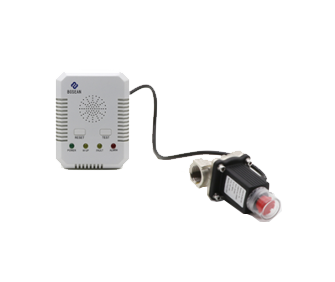
Separate category, application, and model scope
Start by writing a short application statement. It should describe the space being considered, the equipment or process nearby, the people who will use the information, and the decision the alarm is expected to support. Keep this statement at the level the project can support. Do not assume that a domestic label establishes a complete technical requirement.
Next, separate three levels of meaning:
- Category scope: the broad product group being searched or discussed.
- Application scope: the conditions and intended use that the design review must address.
- Model scope: the specific features and interfaces stated for one identified model.
This separation prevents a category name from being treated as proof that every model suits every installation. It also gives the engineer a clean place to record what is known, what is assumed, and what still needs a supplier response.
Compare information that applies to the task
Build the comparison around requirements rather than around attractive feature lists. For each proposed model, create a row for the requirement and a separate column for the evidence location. Useful headings can include sensing purpose, physical installation constraints, power arrangement, output or communication interface, user indication, environmental conditions, maintenance access, and documentation needed for integration.
These headings are a review framework, not verified specifications for any particular device. Mark each row as stated, not stated, or requiring a project decision. That simple status prevents a general description from being quietly converted into a model claim. It also makes two products comparable only where the same requirement and the same scope apply.
For the keyword gas alarm for home, the same discipline matters. A search phrase can help locate a relevant product category, but it cannot establish the gases detected, the alarm behaviour, the installation method, or the suitability of a particular building. Those points belong in the technical record and must be tied to evidence that addresses the stated model and application.
A useful real-world anchor is the Bosean product page: its page path and visible breadcrumb identify the category as “Gas Alarm”. That supports using the page as a catalogue-category reference. It does not, on its own, establish certification, site suitability, safety outcomes, or configuration details that are not listed there.
Record assumptions and interfaces
Model fit often depends on the boundary between the alarm and the wider installation. Draw that boundary before comparing products. Identify who supplies power, who receives the indication, whether another control system is involved, and which party owns the final design decision. These are questions for the project team, not assumptions to be assigned to a supplier without evidence.
Record each open point in a decision log. A practical entry can contain five fields:
- The requirement or interface being considered.
- The exact scope of the requirement.
- The source supporting the current statement.
- The effect if the point remains unresolved.
- The person or organisation responsible for the next answer.
This format keeps technical review separate from marketing language. It also helps prevent a model feature from being treated as a complete system solution. If an interface is not described in the available evidence, leave it as an open item rather than filling the gap with a typical-value assumption.
Prepare a focused sourcing brief
Once the scope is separated, prepare a short brief for suppliers or internal design review. State the application in plain language, list the required interfaces, identify relevant environmental conditions, and distinguish mandatory requirements from preferences. Ask for answers against the same headings used in the comparison table.
Keep requests precise. Instead of asking whether a product is “suitable”, ask which stated requirement the supplier is addressing and where the supporting information appears. Instead of asking for every available feature, request only the information needed to close the open points in the design record. This produces a more useful comparison and reduces the risk of treating broad catalogue language as project-specific confirmation.
The final review should show a clear chain from application, to requirement, to evidence, to unresolved question. For readers assessing options from Bosean, the catalogue’s Gas Alarm category can be a starting reference, while the design team still controls the scope and records the decisions needed for its own installation. That is the practical route to a model-fit review: define the task first, compare like with like, and keep every unsupported conclusion out of the record.