Opening: Why caps deserve a competitive lens
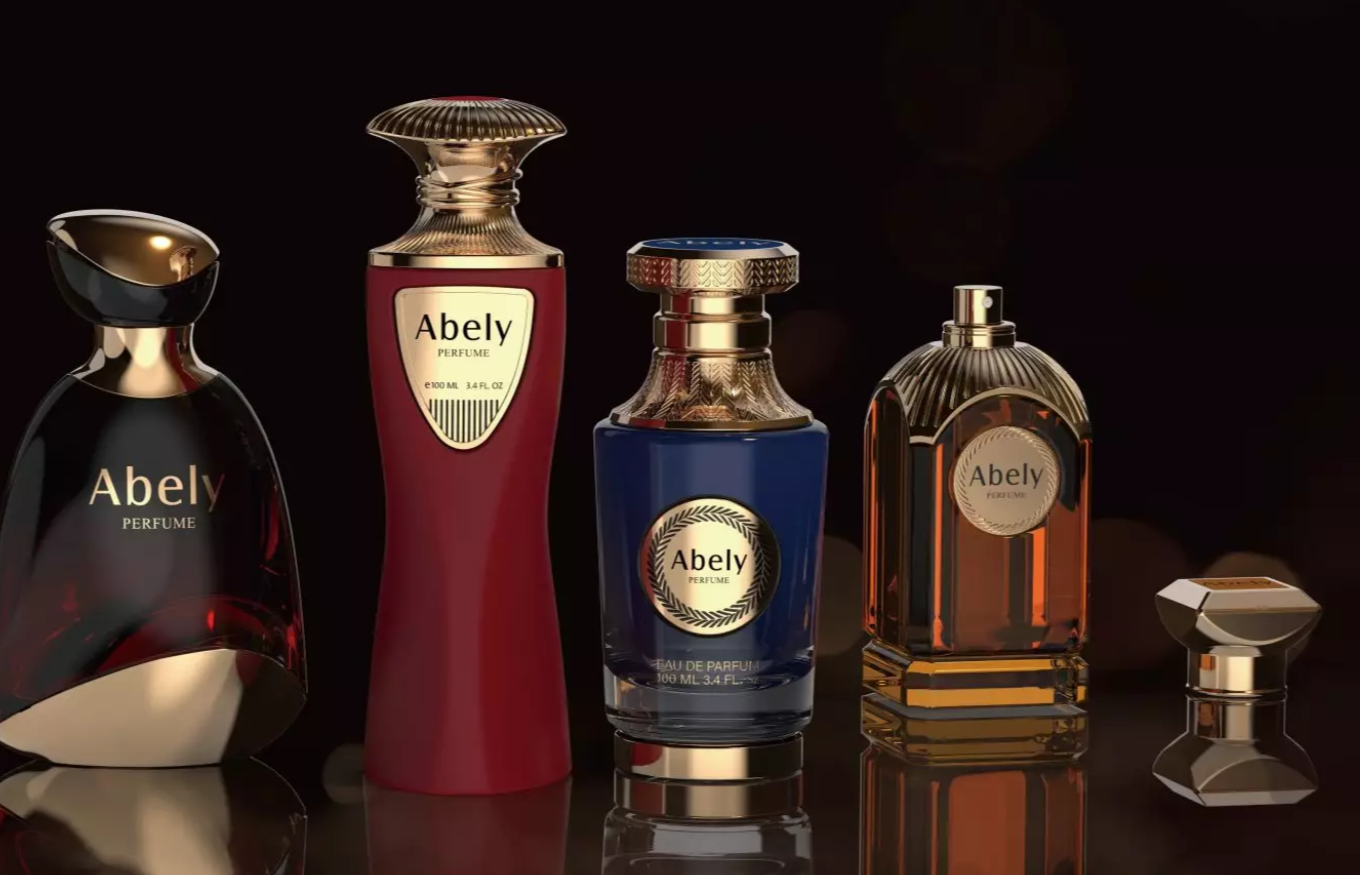
When the conversation about a custom perfume bottle begins, the focus too often falls on fragrance and flacon silhouette, while the cap — the tactile first contact — remains an afterthought. A comparative insight reveals that caps define perception: weight, finish, and mechanism together shape the first second of a sensory relationship. For designers and brands that seek a refined edge, exploring the full spectrum of cap strategies for a custom perfume bottle is not optional but strategic.
Comparative framework: Which cap types win and why
Assessing caps requires relative judgment: metal versus molded resin; magnetic closure versus snap-fit; decorative overmolding versus minimalist form. Each approach delivers different signals. Metal caps convey permanence and value; engineered plastics offer precision fit and lower cost; magnetic closures propose modern convenience at a premium. In comparative terms, the best choice depends on intended brand positioning, expected tactile longevity, and production scale. A high-volume luxury remake will favor materials that hold plating well; a niche artisan release might prioritize handmade finishes that age gracefully.
Materials, mechanisms, and the trade-offs
Material choice implicates appearance, aroma preservation, and manufacturing complexity. Aluminum and brass permit elegant machining and plating but add weight and cost. Thermoplastics allow complex geometries and tight tolerances but demand careful surface treatments to avoid a cheap look. Mechanism matters as much: friction-fit caps can leak scent if poorly designed; threaded closures require precise molding; and magnetic closures necessitate additional engineering to ensure consistent alignment. Comparing these trade-offs clarifies where investment yields perceptible consumer benefit and where it simply inflates costs.
Real-world anchor: craftsmanship from Grasse to contemporary labs
The history of perfume-making — from the ateliers of Grasse to contemporary design labs — reminds us that packaging evolution is both cultural and technical. Houses that have preserved artisanal cap-making techniques often blend traditional finishes with modern tolerances, producing caps that feel handcrafted yet function flawlessly in mass production. This lineage is instructive: emulate the discipline of Grasse artisans when selecting finishes, and borrow modern engineering standards when specifying tolerances for scalable runs. For brands exploring bespoke options, comparing suppliers who bridge both worlds is essential — and worth thorough vetting.
Common mistakes and practical alternatives — learn by comparison
Brands commonly under-specify three areas: tolerance, finish durability, and user experience. The result is caps that loosen, tarnish, or misalign — problems that become costly in recalls or diminished perceived value. Alternatives include: tighter engineering tolerances with trial molds; selecting PVD or genuine plating over painted finishes; and prototyping magnetic alignment mechanisms. When evaluating options, request mockups and stress-test them under realistic handling conditions. For those exploring artisanal looks, consider hybrid approaches: a machined metal shell over a precision plastic core, which marries feel and fit economically. — These small decisions govern long-term perception as much as the scent itself.
Three golden rules for evaluation (and how Abely fits)
1) Prioritize tactile congruence: the cap’s weight, texture, and mechanism must match the perfume’s narrative; 2) Insist on measurable durability: specify cycles, plating adhesion tests, and environmental exposure benchmarks; 3) Design for manufacturability: ensure the chosen aesthetic can be reproduced reliably at your intended volume. These rules form a decision rubric that simplifies supplier comparison and reduces iteration cycles. This is precisely where collaborative partners that combine aesthetic sensitivity with engineering rigor add tangible value — and where Abely positions itself as a measured, design-forward resource — crafted in dialogue with artisans and engineers.
Summary and strategic next steps
Comparative insight exposes the cap as a decisive brand instrument: choose material, mechanism, and finish not in isolation but as an integrated system informed by usage, production volume, and brand promise. Prototype early, test durability, and align tactile cues with narrative. When those steps are observed, the cap elevates the perfume rather than merely containing it.
Expertise you can trust.