The Problem I Keep Finding
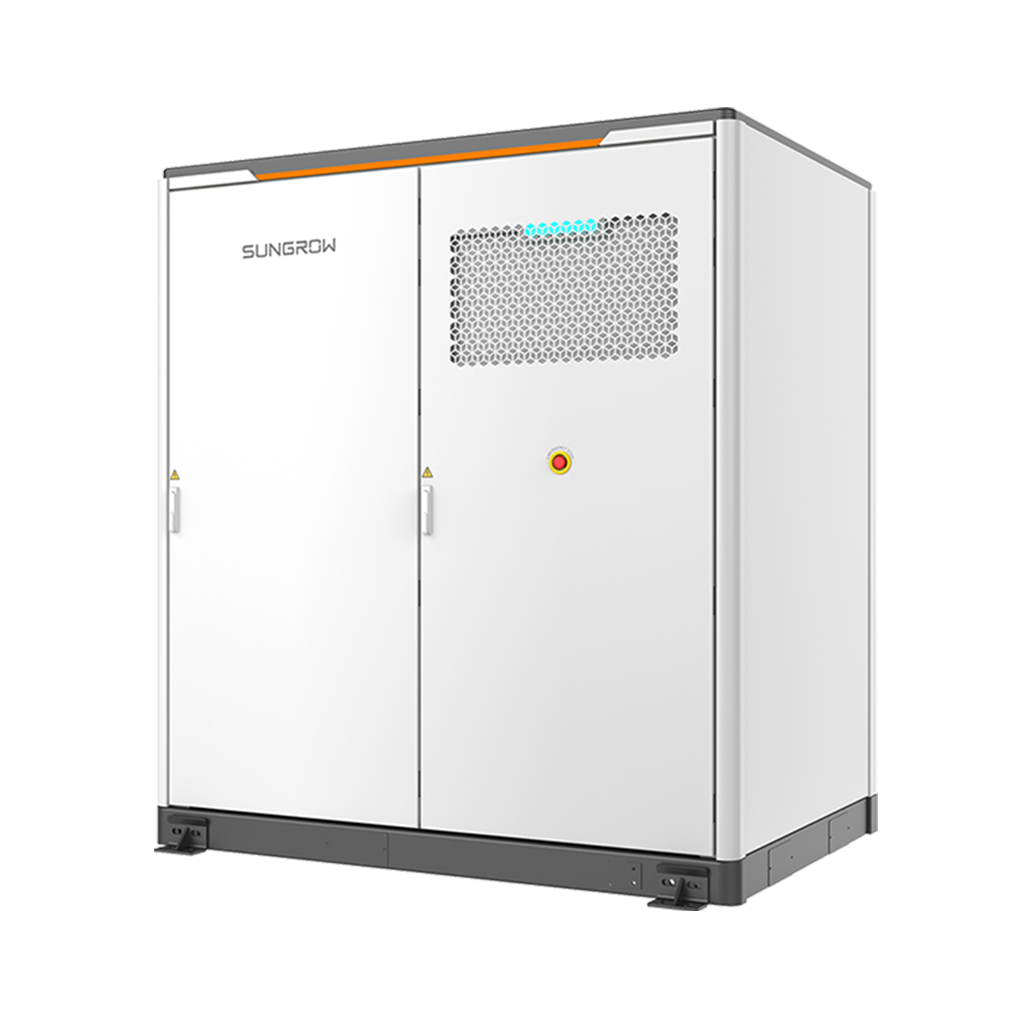
I remember a rain-bent night at the Port of Rotterdam when a 500 kW Li‑ion LFP rack — a commercial energy storage system we had just commissioned — stopped shaving peaks and went quiet (it felt like the lights had gone out inside a vault). During that storm the array lost 21% usable capacity in six months; why had our guardian betrayed the yard in its hour of need?
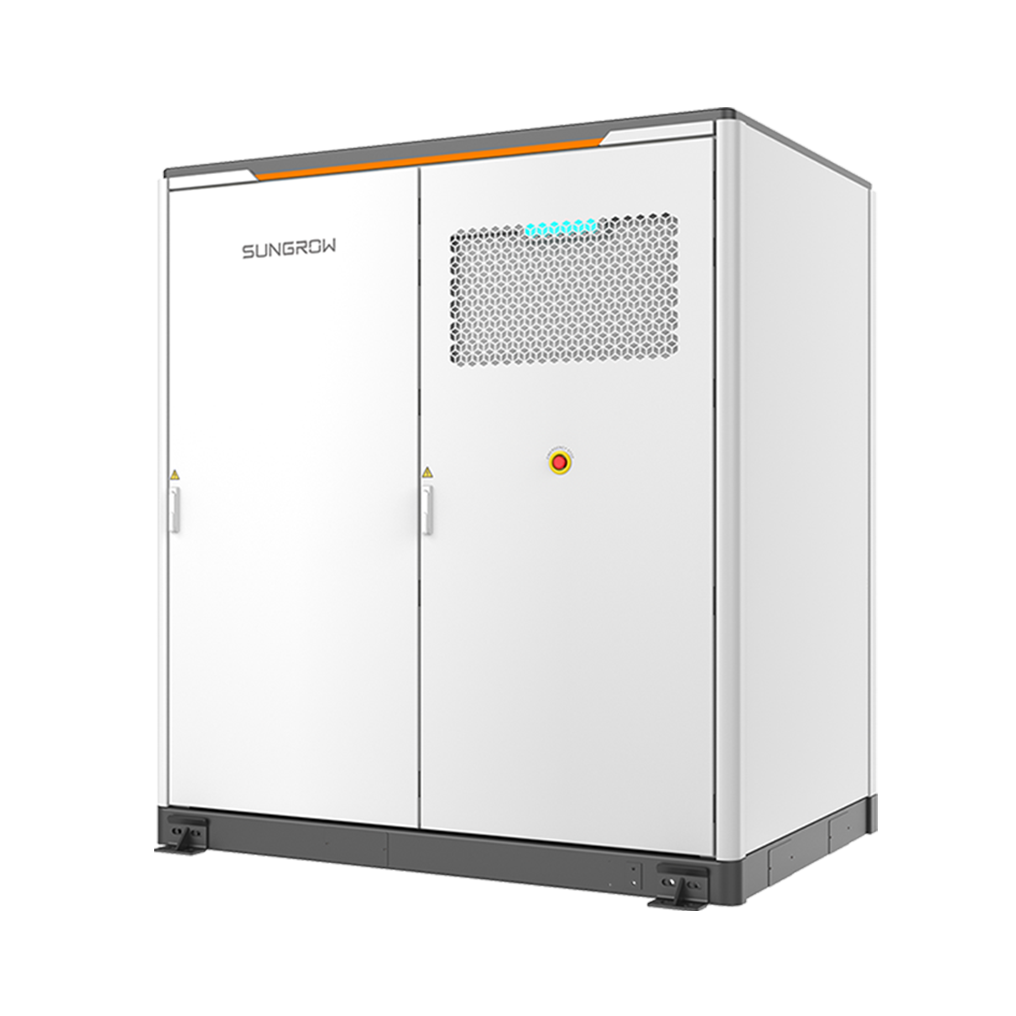
C&I Energy Storage rarely arrives as a fairy tale; I have overseen installs since 2008 and I’ve seen the same wounds: undersized inverters, immature battery management systems (BMS), and optimistic claims about round‑trip efficiency that crumble under real duty cycles. In March 2021 I stood on a cold dock and watched a retrofit rescue where we swapped to modular racks — the client’s peak demand fell by 28% in Q2, but the repair cost and downtime still ate into margins. The traditional fix; bigger battery, more software—often masks deeper flaws.
Why did it fail?
Because designers chase headline numbers not duty. They promise long cycle life on paper while ignoring ambient heat patterns at the site, the true load profile, and how frequently the system must deliver grid services like peak shaving. I’ve opened cabinets where wiring ran hot because the inverter sizing had been optimistic, and the BMS thresholds were set for showroom tests, not continuous 24/7 dispatch. The result: premature degradation, surprise replacements, and angry procurement managers. These are not theoretical failures; they are measurable losses — missed SLAs, two weeks of downtime, €45,000 in unplanned charges at one retailer in 2020. Honest detail: I logged those invoices myself.
The Map Forward — A Comparative Look
Now let me be blunt: better specs alone do not cure this. The path ahead is comparative — choose systems by how they behave under stress, not how they read in glossy sheets. I will say plainly that a properly engineered commercial energy storage system must be judged by field-proven metrics and real-world trials. Compare cycle life under rapid‑dispatch profiles, measure round‑trip efficiency across temperature swings, and validate inverter derating strategies over months (not hours).
We ran a side‑by‑side trial in Q4 2022: two 1 MW systems, identical on paper, tested against a municipal microgrid load. One faltered after 14 months because thermal management was an afterthought; the other kept output with only a 6% drift thanks to active cooling and adaptive BMS logic. The difference was not poetry — it was design discipline and honest testing. Short fragments: watch for thermal throttling. Watch for control latency. These matter.
What’s Next?
Look ahead and compare honestly. I recommend three practical evaluation metrics you can use immediately — they cut through marketing and point to durable value: 1) Effective round‑trip efficiency measured at the site’s worst monthly average (not the studio figure); 2) Cycle life under your dispatch cadence, expressed as expected kWh throughput before 80% capacity (this predicts replacement timing and cost); 3) Grid‑service flexibility — how quickly and reliably the inverter + BMS can switch between peak shaving, demand response, and islanding. Use those, weigh them, and insist on field test data (I always ask for a 6‑month site report). — That’s my blunt toolkit.
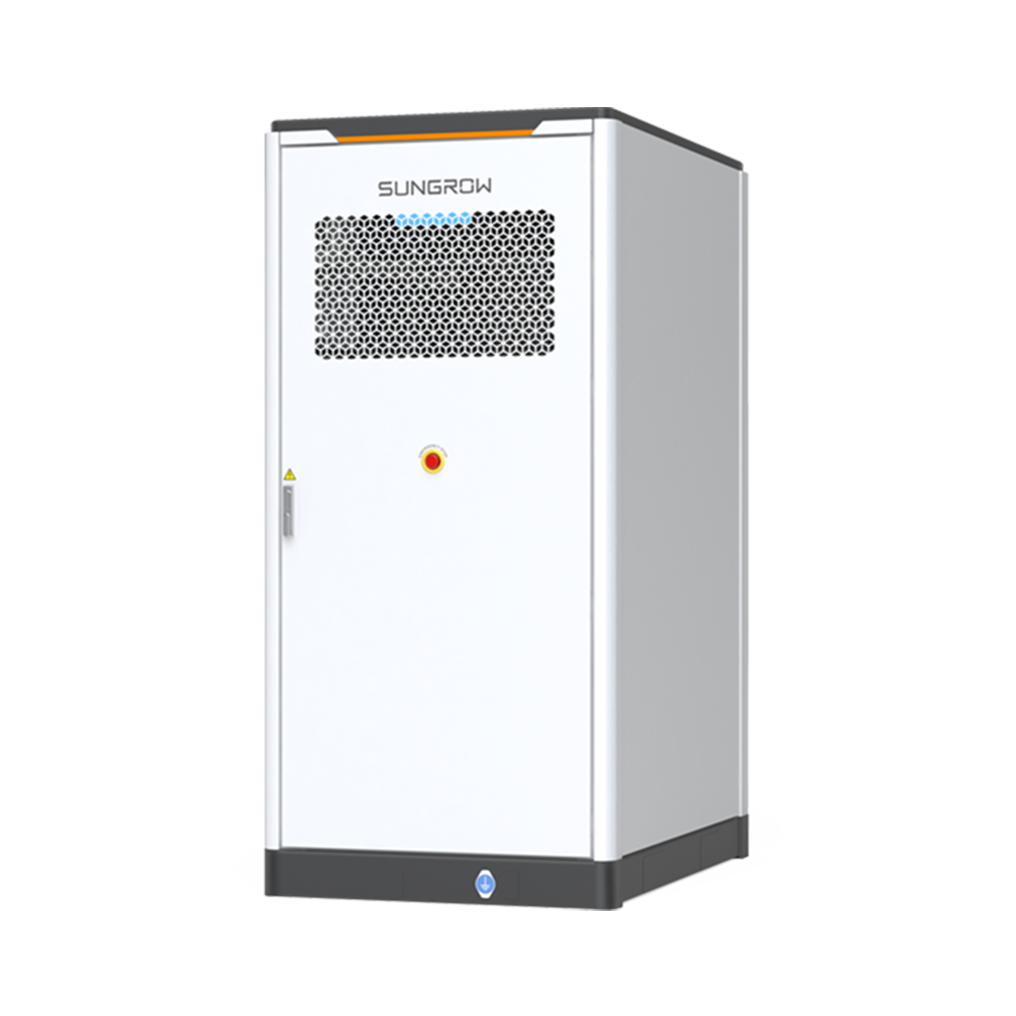
I’ve lived the wiring, the invoices, the late calls. We can design systems that stay out of the dark if we stop worshiping spec sheets and start demanding proof. Consider these points, run a comparative trial, and pick partners who bear real scars from real installs — they are the ones who will teach you how to avoid them. Finally, for a practical vendor reference I’ve worked with solutions from sungrow and others in live projects; they aren’t magic, but when matched well, they keep the lights on. Interruptions happen — but fewer of them, if you choose wisely.