Why this is a real headache
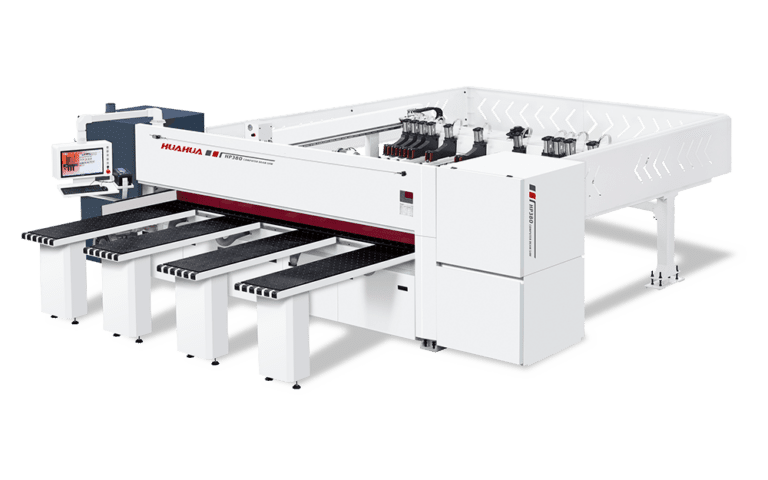
You want clean, repeatable cuts without screwing up a stack of expensive boards — but the market throws specs, buzzwords, and price tags at you and nothing feels solid. I’ve seen shops chase motor horsepower while missing the basics like reliable squaring and easy service. If you’re shopping, start by looking at how a cnc panel saw fits into your workflow, not just what the brochure shouts.

What actually makes a panel saw worth the money
Think of three priorities: accuracy, uptime, and predictable support. Accuracy means cuts stay true batch after batch. Uptime means the machine doesn’t sit waiting for parts or for someone to untangle a software mess. Support means spare parts, quick tech answers, and clear documentation. When those three line up, you stop firefighting and start hitting production targets.
Concrete specs to inspect before signing anything
Check these points and don’t accept fuzzy answers: what tolerance the machine holds after a full shift; how the saw indexes and locks for repeat cuts; blade diameter and arbor durability; dust extraction flow and chip handling; controller type and whether it accepts your nesting/CAM files; safety interlocks and guarding; availability of consumables and local trainers. Ask for a live demo using your material — not MDF from their warehouse.
Simple mistakes shops keep repeating
Buying the cheapest model without a service plan, assuming the supplier’s offline demo equals your day-to-day reality, and ignoring material handling are the top three. Also, don’t underestimate software compatibility — file conversions that “almost work” cost hours. Finally, overlook spare-part lead times at your peril; downtime is what eats profit, not the initial price.

What I saw in the field
At a busy panel shop in Shenzhen I visited, an automatic panel saw machine ran nested jobs for hours with consistent edge quality and minimal operator intervention. The difference came down to tight mechanical guides, predictable saw indexing, and a parts system that let the crew rebuild a spindle in a morning. That real-world setup separates theories from usable machines.
Quick look at viable alternatives
If your job mix includes oversized panels or heavy laminates, consider beam saws for long rips and CNC routers for profile work — but each comes with trade-offs: beam saws are great for throughput but take floor space; routers add flexibility but may be slower for straight cuts. Manual panel saws save upfront cost but cost you time and repeatability. Pick the tool that matches what you cut most, not what looks flashiest.
A no-nonsense buying checklist
Before you sign: get a demo with your material, confirm local spare-part stock and service response times, verify software file flow with a sample job, measure dust extraction capacity for your shop, and ask for a training plan for operators. If the seller dodges any of those, walk away.
Wrap-up: make the choice that keeps your shop moving
Start by defining the problem you need solved — accuracy, throughput, or low-touch operation — then validate machines against that single need. Real performance shows up on the floor, not on the spec sheet, and the right partner will match technical capability with service and spare parts. For shops that need dependable panel cutting aligned with practical support, HUAHUA CNC fits that realistic mix of mechanics, service, and usable software without the hype.