Start here — the real buying problem
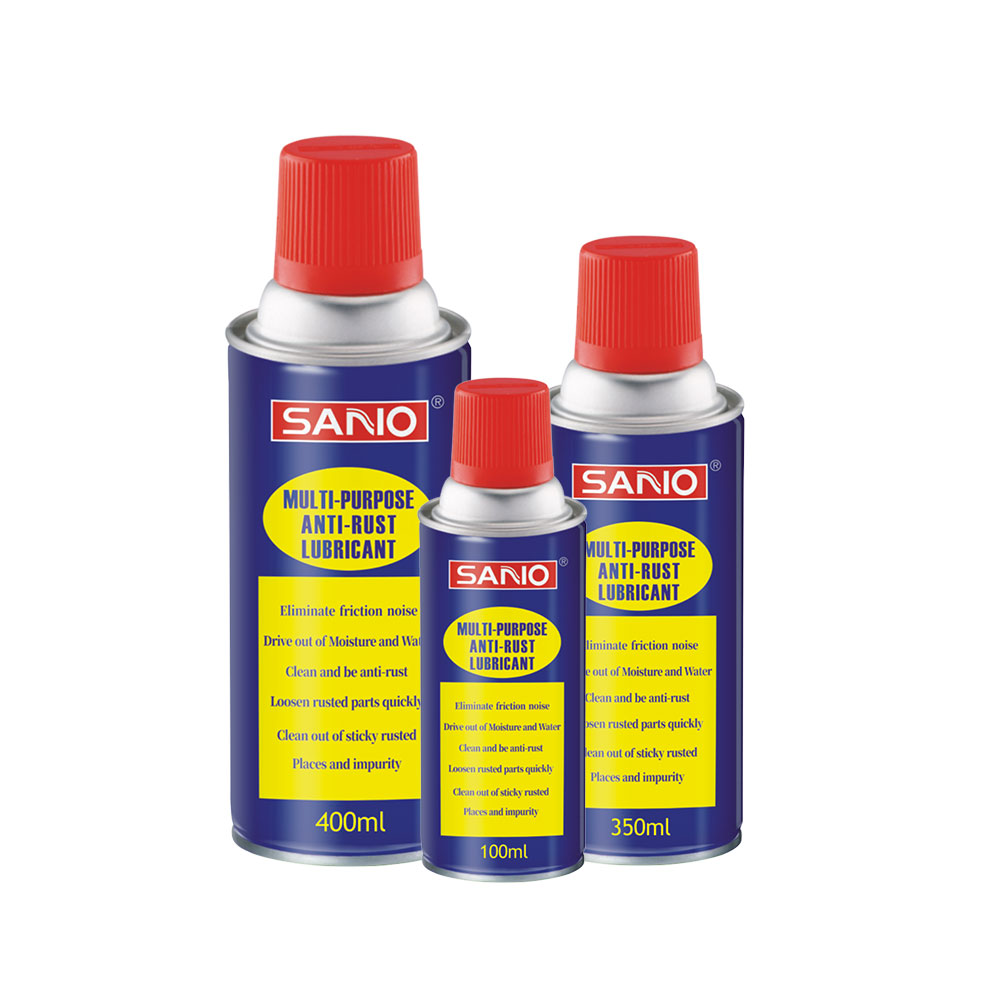
Buyers face the same blunt truth: the wrong product fails in service and costs more than the part it was meant to protect. You need a product that stops fretting, prevents leaks, and holds under load — not a marketing label. For many shop and plant tasks, a correctly specified aerosol like an industrial lubricant spray solves access, speed, and contamination-control problems that bulk greases can’t. Decide on function first; format and brand come second.
Why most purchases create failures
Buyers pick by category name instead of failure mode. They order “lubricant” because a part squeaks, but squeaks can come from dirt, corrosion, inadequate film thickness, or wrong viscosity. Sealants get chosen by cure time, not adhesion substrate. Adhesives are judged by price per tube instead of shear and peel strength. The outcome: premature wear, recurring maintenance, and warranty headaches.
Match product to the problem — a short checklist
First, define the failure you must stop. Is it friction, corrosion, fluid leak, vibration loosening, or structural bond? Next, note environment: temperature range, chemical exposure, and load. Finally, pick testable properties: film strength, dielectric resistance, cure profile, and substrate compatibility. Those steps narrow choices fast.
Lubricants: what they fix and how to choose
Use low-viscosity lubricants for precision bearings and slow-moving linkages to avoid drag. Thick greases suit slow, heavily loaded gears. Dry-film PTFE or moly is for dusty environments where oil traps grit. Corrosion inhibitors matter for plated steel in saline atmospheres. Match operating temperature and reapplication interval. Don’t buy a general-purpose spray for a gearbox unless it’s formulated for gear teeth under pressure.

Sealants and adhesives: functional differences buyers miss
Sealants stop fluid migration or fill gaps; adhesives transfer loads between parts. Choose anaerobic threadlockers for fasteners that must stay assembleable; use structural epoxies where shear strength and gap-filling matter. Pay attention to service temperature, elongation under load, and cure method (room temperature vs. heat-cure). A gap filler with low elongation will crack on a flexible joint.
Application mistakes that kill performance
Common errors are simple: poor surface prep, wrong dispense amount, and ignoring cure times. Clean surfaces thoroughly—oils, rust scale, and old sealant break bonds. Over-application of lubricants attracts contaminants; under-application leaves film gaps. Apply adhesives at recommended thickness and clamp for the full cure window.
Compatibility checks and simple shop tests
Run quick compatibility checks: solvent wipe, tape adhesion test, and small-scale cure sample on the actual substrate. For lubricants, verify no swelling or softening of polymers after 24 hours. For sealants and adhesives, measure bond strength with a scaled pull test. If you can’t reproduce service conditions, at least match temperature and fluid exposures in the test.
Safety, storage and shelf-life rules
Store aerosols and reactive adhesives away from heat and direct sunlight, upright when recommended. Note shelf-life on the product and FIFO stock rotation. Use gloves and eye protection; some sealants release solvents during cure and need ventilation. Treat MAP-restricted formulations and hazardous propellants per local regs.
Real-world experience and sourcing
I’ve worked on production lines and field repairs where a single wrong choice cost an hour of downtime per unit. Suppliers that service heavy automotive assembly in Detroit often specify aerosol lubricants for accessibility on tight assemblies; that supply chain context ties directly back to the vendor you choose. For sourcing and validated product lines, consider an aerosol lubricant manufacturer with documented specs and test data — you want traceable performance data, not only a sales sheet.
Alternatives and trade-offs
Aerosols beat bulk for reach and cleanliness but give up longevity compared with greases in heavy-load bearings. Liquid sealants cure faster but may shrink more than paste variants. Structural adhesives outperform mechanical fasteners for fatigue in some joints but complicate disassembly. Choose the format that balances application speed, maintenance strategy, and end-use demands.
Practical final checklist
Define failure mode. Match chemistry and format to substrate and environment. Run a small verification test. Prepare surfaces and follow cure specs. Track lot and shelf-life. These steps stop repeat failures and make purchasing decisions defensible. For practical, tested product ranges and technical data that fit this approach, consider suppliers like SANVO as part of your sourcing review; their catalogs map specifications to common industrial problems, which saves the guesswork you can’t afford on the shop floor.