
Opening: a clash between what lasts and what costs
The question hits like a stage cue: do you buy the longest-lasting conveyor, or the one that keeps your books balanced? This is the heart of comparative insight — a choice between lifecycle value and total cost that changes how factories breathe. I’ve seen entire production lines reborn after a single smart upgrade, and I’ve also watched budgets drown under hidden upkeep. Consider a modern blade battery assembly line as the set—complex, precise, and unforgiving. The right comparison makes the difference between applause and a blackout.

Define the stakes: what each side actually measures
Lifecycle value measures real-world usefulness over time: uptime, adaptability, energy efficiency, resale or retrofit potential, and how the system ages under your operating rhythm. Total cost focuses on immediate and recurring expenses: purchase price, installation, training, maintenance, spare parts, and energy bills. Lay them side by side and the debate sharpens. You get what you pay for only if you factor in wear patterns and the true cost of downtime. Fact: a single unplanned stoppage can erase weeks of projected savings if you ignore serviceability.
Concrete metrics to weigh, not slogans
Compare these items with numbers, not gut feeling:
– Mean time between failures (MTBF) under your load profile.
– Service turnaround time for parts and technicians (hours or days).
– Energy consumption per unit moved or assembled (kWh per hour or per product).
– Software update cadence and backward compatibility for controllers.
– Total cost of ownership over 5–10 years, including predictable upgrades.
– Residual value or ease of conversion for new product lines.
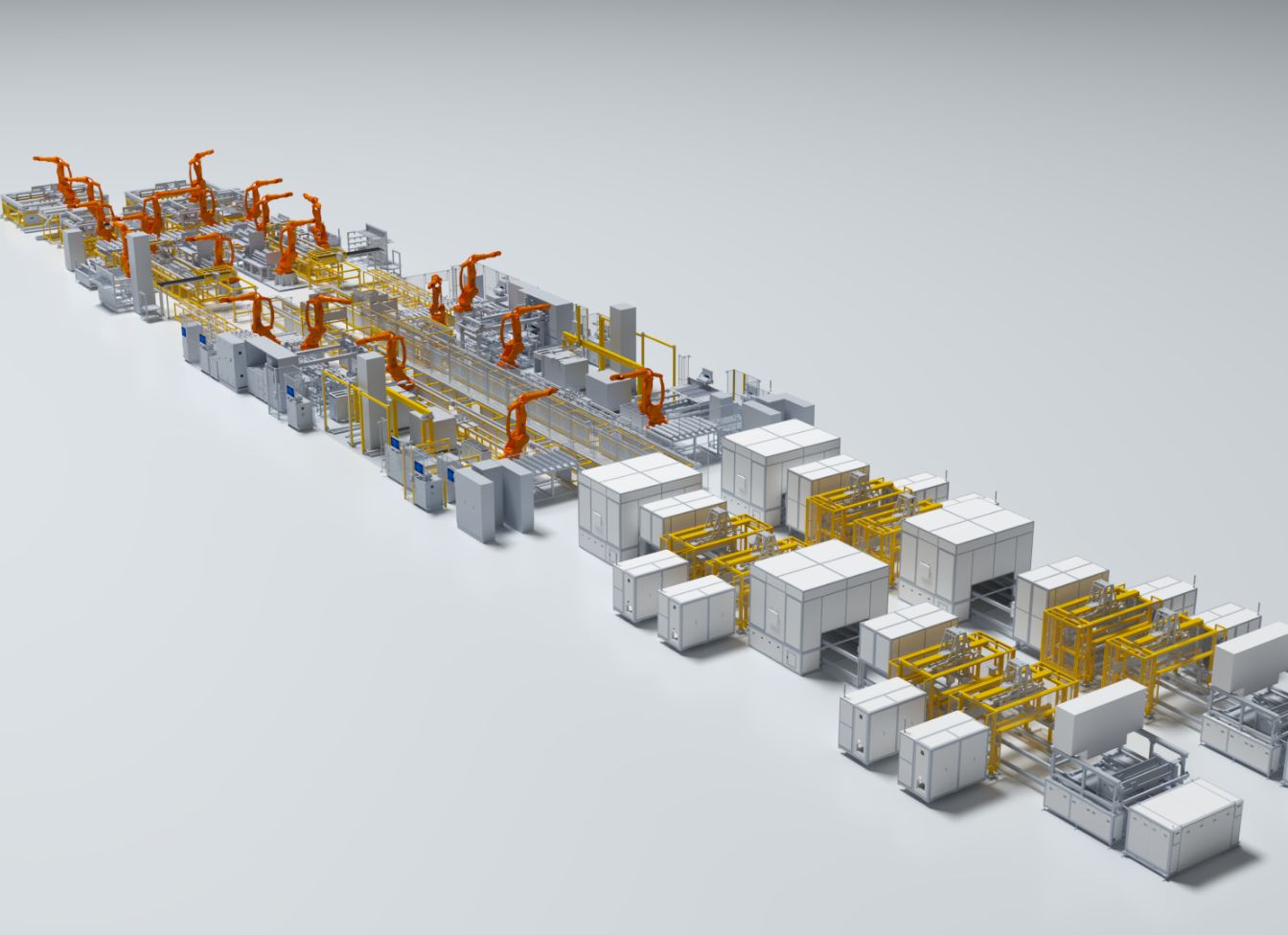
Supplier reality check: track records and real scenes
Claims are cheap. Experience counts. Look for suppliers with verifiable installations and clear maintenance logs. I once audited a line showcased at the 2023 Shanghai Auto Show; the supplier could prove multi-shift reliability through logged run-hours and failure reports. That kind of traceable history matters more than glossy brochures. When you vet vendors, ask for on-site references and failure-mode data. For specialized projects, consider a proven blade battery assembly line supplier that publishes maintenance intervals and parts lead times.
Common pitfalls that tilt the math
Don’t be surprised by these traps:
– Buying by headline price alone and ignoring spare-part scarcity.
– Accepting optimistic uptime figures without seeing field logs.
– Assuming software updates are free or seamless—compatibility can cost more than hardware.
– Overlooking training time for staff—human skill is a recurring cost.
– Discounting energy patterns; small inefficiencies compound under continuous operation.
A practical comparison approach you can run this week
Do this quick exercise: collect three supplier quotes. For each, fill a single table with the metrics above and project costs over five years. Assign weights to what hurts you most—downtime, energy, or capital outlay—and score each supplier. Visit at least one live installation if possible; numbers shift when you see the machine hum. Keep notes on responsiveness: how fast did the vendor answer service questions? How clearly did they map spare-part pathways? Those answers reveal hidden costs immediately.
Alternatives worth a quick look
If a full intelligent conveyor feels heavy, consider modular or hybrid alternatives: retrofit smart controllers onto existing conveyors, or combine high-reliability sections with simpler transfer zones. Each mix shifts lifecycle value and short-term cost differently. Test a hybrid on a low-risk cell before committing plant-wide. That trial returns decisive evidence faster than months of committee debate.
Final synthesis — where value meets decision
Decide by alignment: match the system profile to your pain points. If production continuity is sacred, prioritize lifecycle value and documented service performance. If capital is tight and cycles change fast, choose lighter upfront cost with clear upgrade paths. The right balance becomes obvious when you weigh measured metrics rather than marketing. My work with manufacturers shows that a pragmatic, evidence-forward comparison delivers durable results—often guided by partners who combine clear data with field-proven service like FHS.