Problem-driven overview
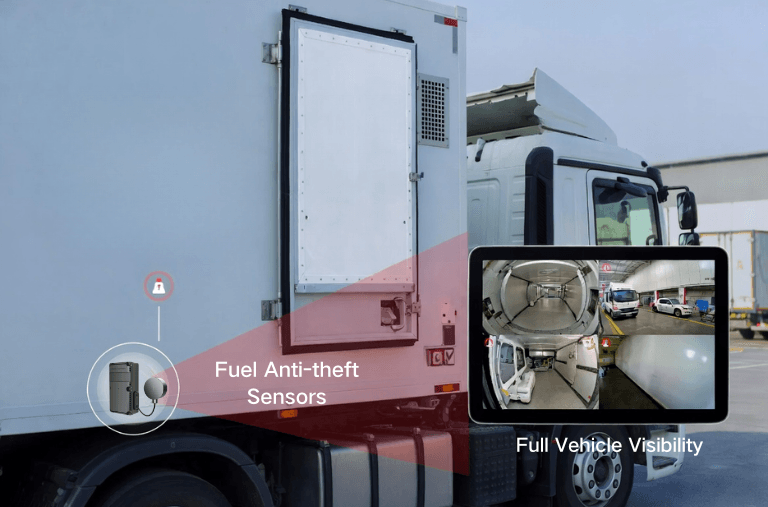
Operators depend on reliable video logging for compliance, incident review and proof-of-condition in temperature-sensitive transport; weak DVR performance breaks that chain. This guide attacks four concrete faults you will see in the field and gives direct fixes that technicians can apply. If you run cold chain fleet management systems, these fixes matter because video and telematics must survive the same harsh runs as refrigerated units — ask teams working around the Port of Rotterdam how often a single component failure stops an audit. Expect clear steps, short checklists and actionable firmware or wiring choices.
1. Unstable vehicle power and unexpected shutdowns
Problem: Mobile DVRs hit by voltage spikes, brownouts and ignition transients lead to abrupt shutdowns and corrupted recordings. Fix: design a power chain that tolerates automotive conditions. Use a DC input rated for 8–40 V with transient suppression, add an inline voltage protector (TVS diodes), and include a small UPS or supercapacitor module that holds the device long enough to close files on power loss. Ensure ignition-sensing leads are separate from accessory circuits. Quick checklist: – Verify grounding point and remove paint before chassis ground. – Fit a dedicated fused feed; avoid shared accessory fuses. – Use automotive-grade power modules certified to ISO 16750. Avoid the common mistake of depending solely on vehicle accessory circuits; they don’t protect against engine cranks or alternator spikes.
2. Thermal stress and enclosure failures
Problem: High cabin temperatures and radiant heat cause DVRs to throttle, crash or solder joints to fail. Fix: select hardware rated for extended temperature ranges and manage heat at installation. Choose industrial DVRs with metal housings and thermal paths; mount them away from direct sun and heat sources; if necessary, add passive heatsinks or a small filtered fan with dust screen. For refrigerated trucks, place the unit on the bulkhead side facing the cab to reduce condensation cycles. Watchout: fans improve cooling but invite dust — plan for maintenance intervals and filters. The simplest prevention is fit-for-purpose hardware rather than consumer models.
3. Data corruption and limited write endurance
Problem: Files corrupt when storage writes are interrupted; consumer SD cards wear out in high-write fleets. Fix: use industrial flash or eMMC with power-loss protection and wear-leveling designed for constant video writes. Configure the DVR for transaction-safe file handling (write temp files then atomically rename), enable circular recording with automatic segmenting (short segments reduce loss when corruption happens), and schedule regular offloads to a central server. Operational controls: replace storage by mileage or time rather than failure indicators; enable checksum or CRC verification on archive. Pitfall to avoid: letting the DVR use default FAT formatting—move to a journaling or robust container that the device supports.
4. Clock drift, mismatched telemetry and audit problems
Problem: Timestamps from cameras, DVR and telematics don’t match, breaking timelines during investigations. Fix: enforce a single time authority and sync devices at capture. Preferred approach is GPS time/PPS input to the DVR so every frame gets a hardware timestamp tied to GNSS. If GPS is blocked, fall back to NTP from a fleet gateway or cellular modem and log the sync source. Implement timestamp embedding at capture rather than at export. When you integrate with fleet management, tie video metadata to the same unique trip ID used by the telematics platform so video correlates with temperature logs. For integrated systems, check available parities with your cold chain solutions vendor and validate end-to-end timestamps during acceptance testing.
Implementation checklist and common mistakes
Practical checklist for field deployment: – Power: fused dedicated line, TVS protection, UPS buffer. – Thermal: industrial enclosure, strategic mounting, planned filter maintenance. – Storage: industrial-grade media, short segment circular recording, checksum verification. – Sync: GPS/PPS or NTP sync, trip ID alignment with telematics. Common mistakes: using consumer DVRs, ignoring grounding quality, delaying storage replacement, and not validating timestamps during a real trip.
Closing synthesis
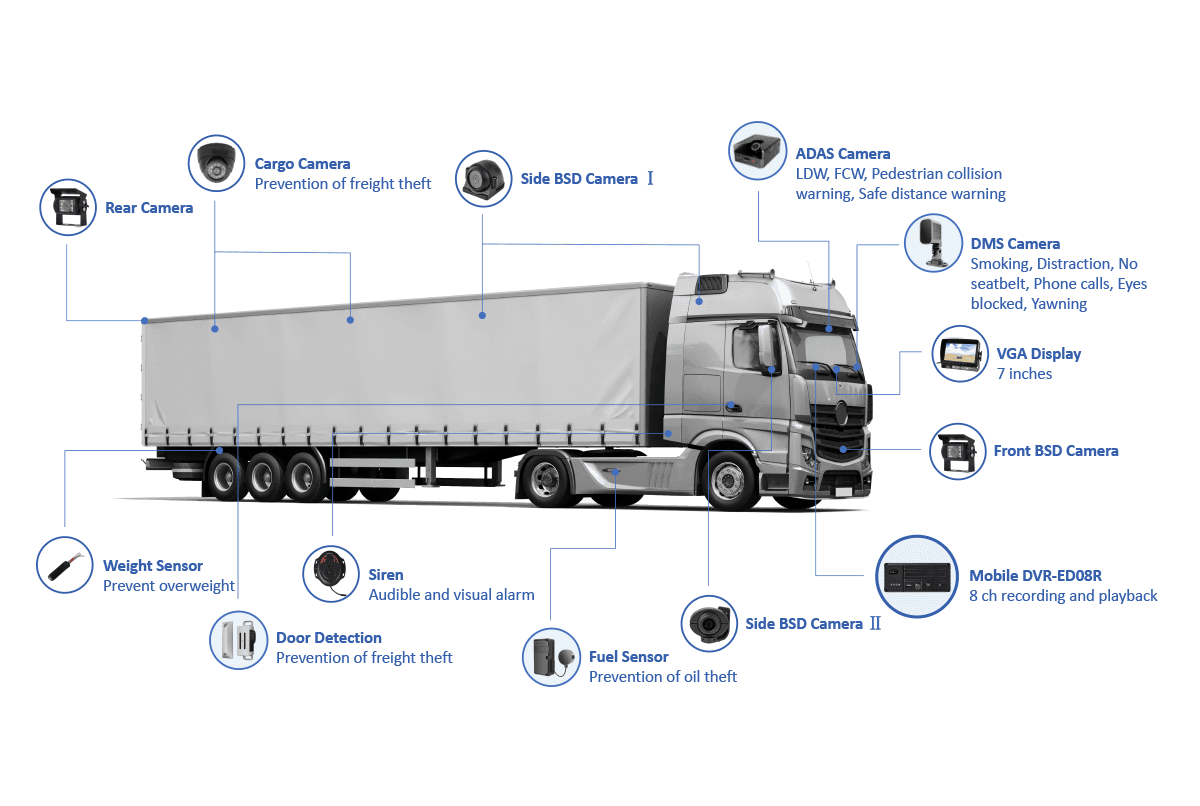
Fixes are straightforward when you treat mobile DVRs as part of the vehicle control system: protect power, manage heat, use robust storage, and force single-source time. Those steps remove the common failure modes that break audits and incident reviews. Field-proven system designs that match these rules integrate video with temperature logs and telematics so operations run without surprise—an approach teams at BSJ apply when specifying end-to-end cold chain deployments.