Why performers and techs favour mini lasers
For indie bands, community theatres and corporate presenters, miniature lasers deliver punch without the bulk. Users pick compact units for tight rigs, quick installs and sharp effects that cut through house lighting — especially when the show needs a crisp line or starfield rather than a full wash. Try a reliable white laser light for frontline cues and subtle beam work; you get intense output from a small footprint, and the audience notices every clean edge.
What matters on the day: user priorities
Sound engineers want fast DMX512 patching; venue managers want low power draw and easy hanging points; lighting designers want clean beam angle control and reliable galvanometer response. At a Cape Town International Jazz Festival setup I worked on, the compact units were perfect for balcony rigs — minimal truss weight, maximum visual impact. The priorities line up: safety, repeatability, and predictable beam behaviour when you cue it live. Lekker simple.
Setting up right — practical steps
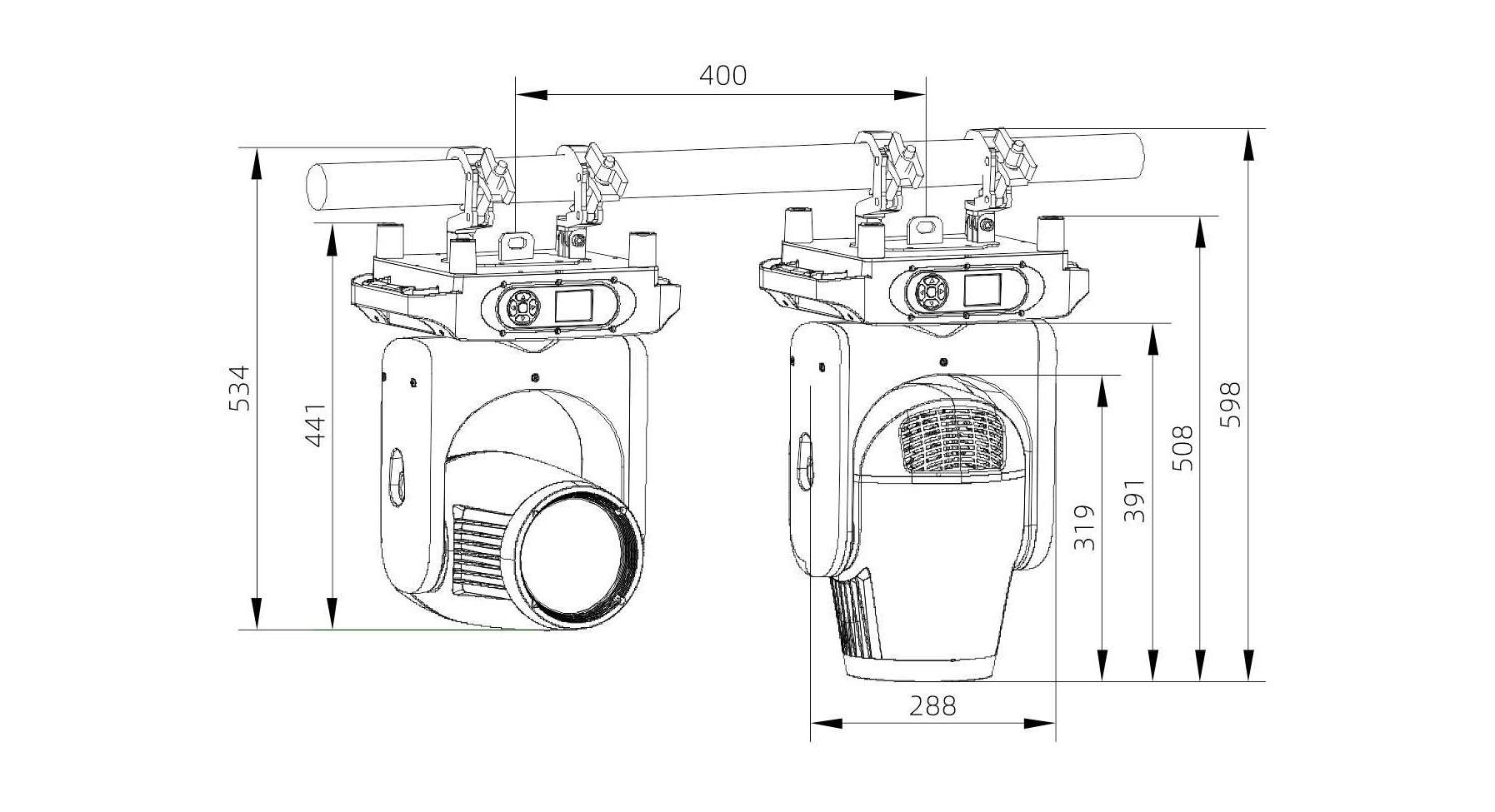
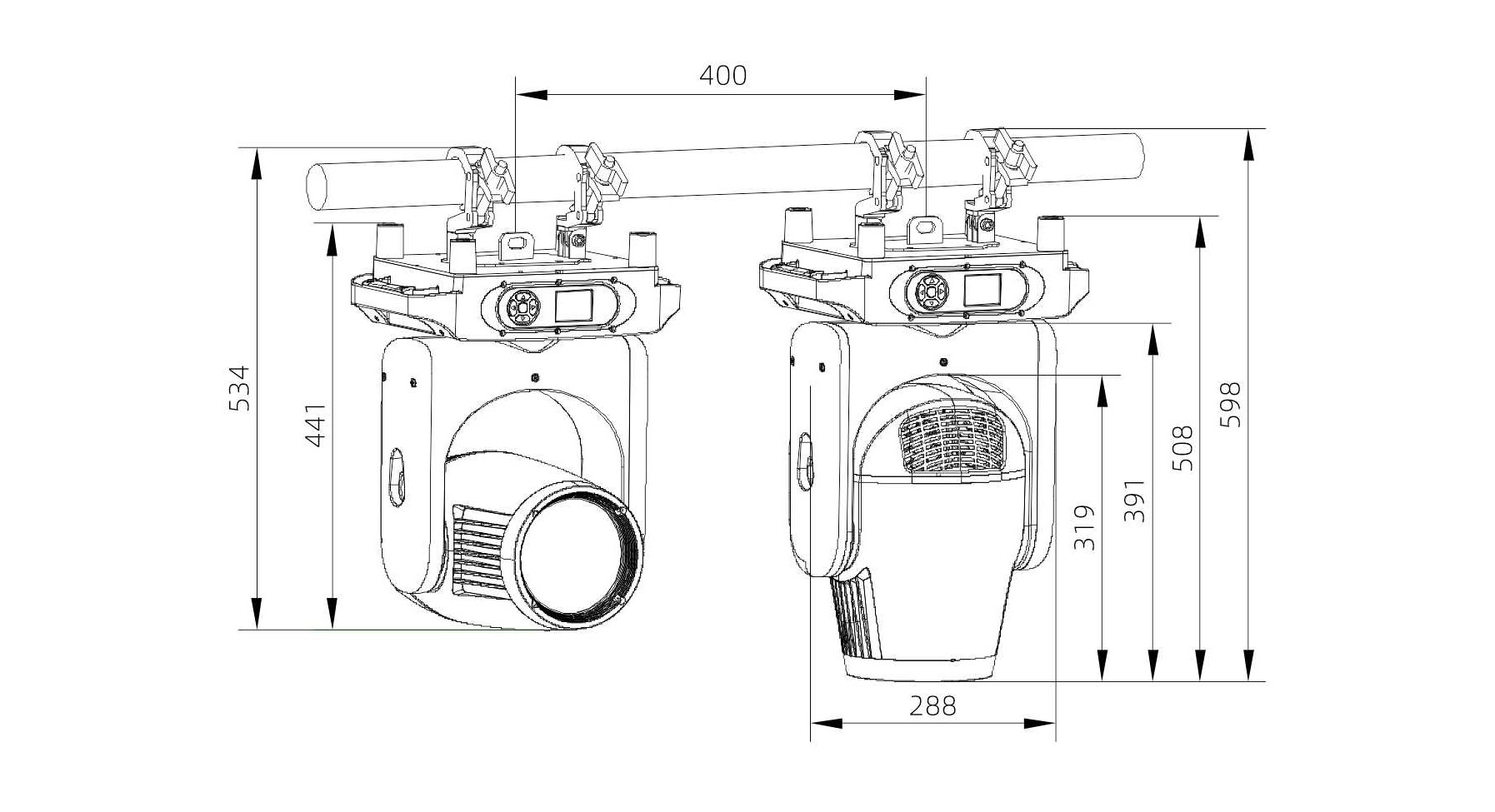
Begin with placement. Mount mini lasers where reflections won’t blind the front rows but will catch haze for visible beams. Calibrate DMX512 channels before soundcheck so cues don’t steal time. Use an external controller when possible; onboard programs are handy, but they rarely match a live programmer’s intent. For effects that need movement and precise sweeps, consider a laser moving head light as an alternative — it adds pan/tilt to the laser’s sharp visuals without ballooning rig complexity.
Common mistakes and better choices
Too many folks buy by headline wattage and ignore beam quality — a high-power diode with poor collimation looks muddy on stage. Overdriving lasers for brightness shortens lifespan and invites overheating. Also, don’t skip safety signage and audience scan rules in public shows; compliance is non-negotiable. Instead, pick devices with measured beam divergence, clear beam angle specs and decent thermal management. For small venues, a mini laser with RGB mixing beats single-colour units for flexible palettes — and you’ll save time in programming.
Quick checklist and alternatives
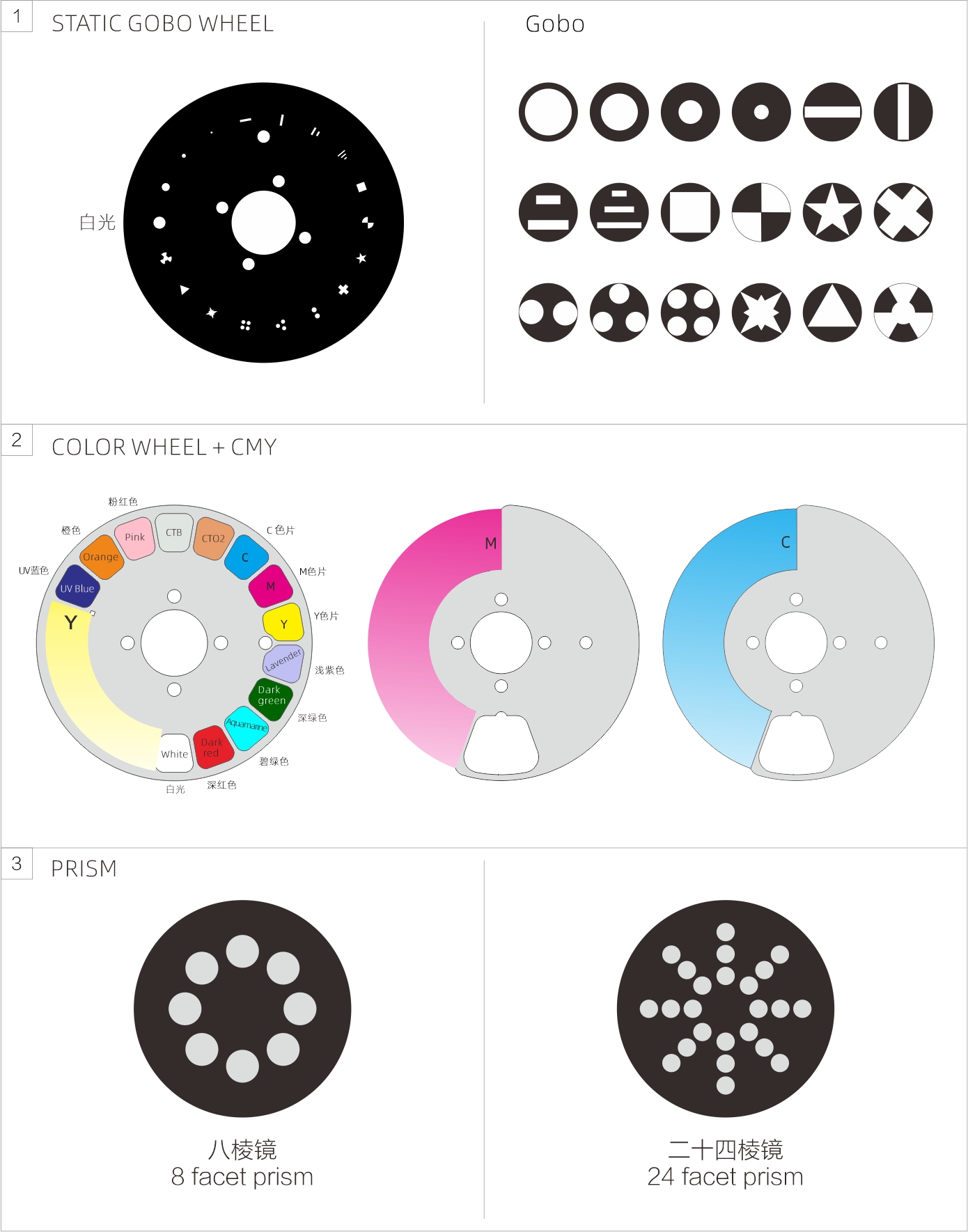
Use this short checklist before purchase or load-in:- Beam angle and divergence: ensures the effect fills the space.- DMX512 compatibility and channel map: avoids channel clashes.- Thermal rating and duty cycle: prevents mid-set shutdowns.Also consider alternatives: LED moving heads give broad washes and colour mixing, while full-size laser projectors handle detailed gobos. Each tool has a role — pick the one matching the show’s needs, not the shiniest spec sheet. — Small venues usually win with compact systems that balance beam integrity and ease of use.
Three golden rules for choosing mini lasers
1) Measure beam quality, not just power: look for narrow divergence and stable galvanometer response for clean lines. 2) Confirm control and safety: ensure DMX512 mappings and scan-limits are explicit in the manual. 3) Match duty cycle to usage: festival runs differ from weekly club nights; spec thermal limits accordingly. These metrics are what separate toys from tools. Expect consistent cueing, predictable haze response and minimal technician fiddling when the right unit is chosen.
Final thought
Mini lasers make small stages sing when chosen and deployed with the performer in mind. They give control, clarity and a compact footprint — practical benefits that matter on load-in and through the last encore. Light Sky. –