Introduction: A Common Salon Scene, a Surprising Stat, and the Question We Keep Asking
I was in a busy studio last month watching clients file in for short sessions—some hopeful, some skeptical—and it struck me how many people treat the tech like a vending machine. In that room, a red light bed sat ready for use; yet roughly 40% of first-time users quit after one try, according to a small clinic survey I ran (not scientific, but telling). Why do so many promising devices fail to win regular users?
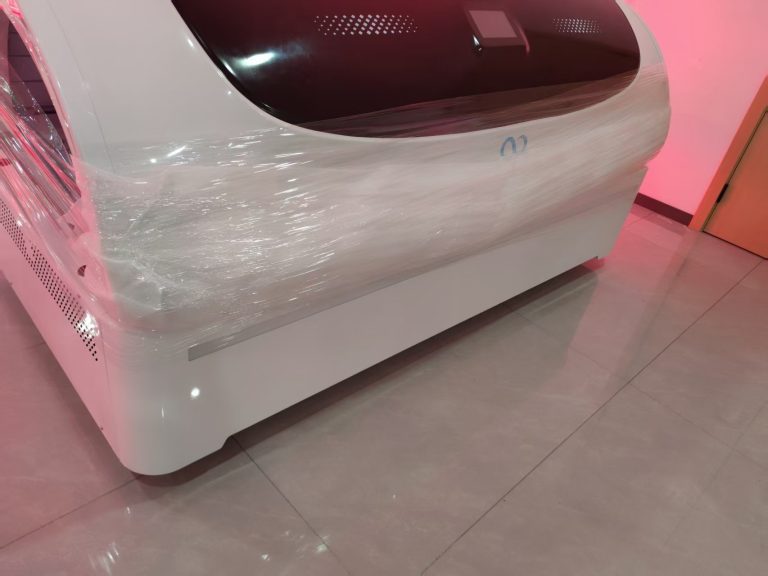
Here’s the setup: people want clear results with low fuss. They also want to trust the device—safety, simple controls, visible value. I’ll be blunt: design gaps and unclear metrics are why many promising systems underperform. So let’s peel back the layers and talk about what actually matters next.
Part 2 — Where Traditional Solutions Fall Short: A Technical Look at the Real Gaps
I want to dig into the nitty-gritty. When I review a led light therapy bed, I don’t just check the LED claims; I probe the user path, the firmware, and the measured output. Too often, manufacturers focus on flashy features—more diodes, colorful panels—while skipping key engineering basics. The result: uneven irradiance across the panel, opaque wavelength specs, and firmware that crashes in the field. Photobiomodulation works only when wavelength and dose are consistent. Power converters that fluctuate? That kills repeatability. Edge computing nodes and smart control sound great on spec sheets, but if the firmware can’t keep the heat and current stable, users get mixed results—fast.
What exactly trips up users?
First, unclear dosage. People don’t know how long to stay on the bed. Second, inconsistent results. One session feels great; the next does nothing. Third, interface friction—complicated menus or cryptic indicators. Look, it’s simpler than you think: consistent irradiance, reliable wavelength delivery, and clear feedback are the pillars. I’ve seen clinics throw money at marketing instead of fixing these basics—funny how that works, right? — and then wonder why their retention drops.

Part 3 — Moving Forward: Principles, Practical Metrics, and What to Look For
Now let’s be constructive. I want to outline a set of principles that solve the flaws above and make devices people actually use. Think modular designs that separate the diode array from the power electronics, clearer dose readouts, and simple user modes that match real goals—pain reduction, skin rejuvenation, sleep support. A modern led light therapy bed should give operators straightforward controls, plus measurable logs for each session (time, wavelength, irradiance). Those logs matter for both users and clinicians. They build trust. They also help manufacturers iterate faster.
What’s Next — How to evaluate choices?
When I advise teams or clients, I suggest three practical metrics: 1) Measured irradiance uniformity across the treatment area, 2) Verified wavelength stability under load, and 3) Usability score—how fast a new user can start a correct session. Test reports should be readable (not just PDFs full of jargon). If a vendor can’t show these numbers, don’t buy the story. I’ll add: a clear warranty and accessible service plan mean a lot. Small clinics, big spas—they all prize reliability over bells and whistles. Choose what helps you deliver repeatable outcomes.
To wrap up: fix the fundamentals first—dose, stability, and clarity—and the rest falls into place. I’ve watched simple, well-engineered changes double user retention in clinics I consult with. That’s measurable progress. If you want a real-world partner who cares about those details, check out Magique Power.