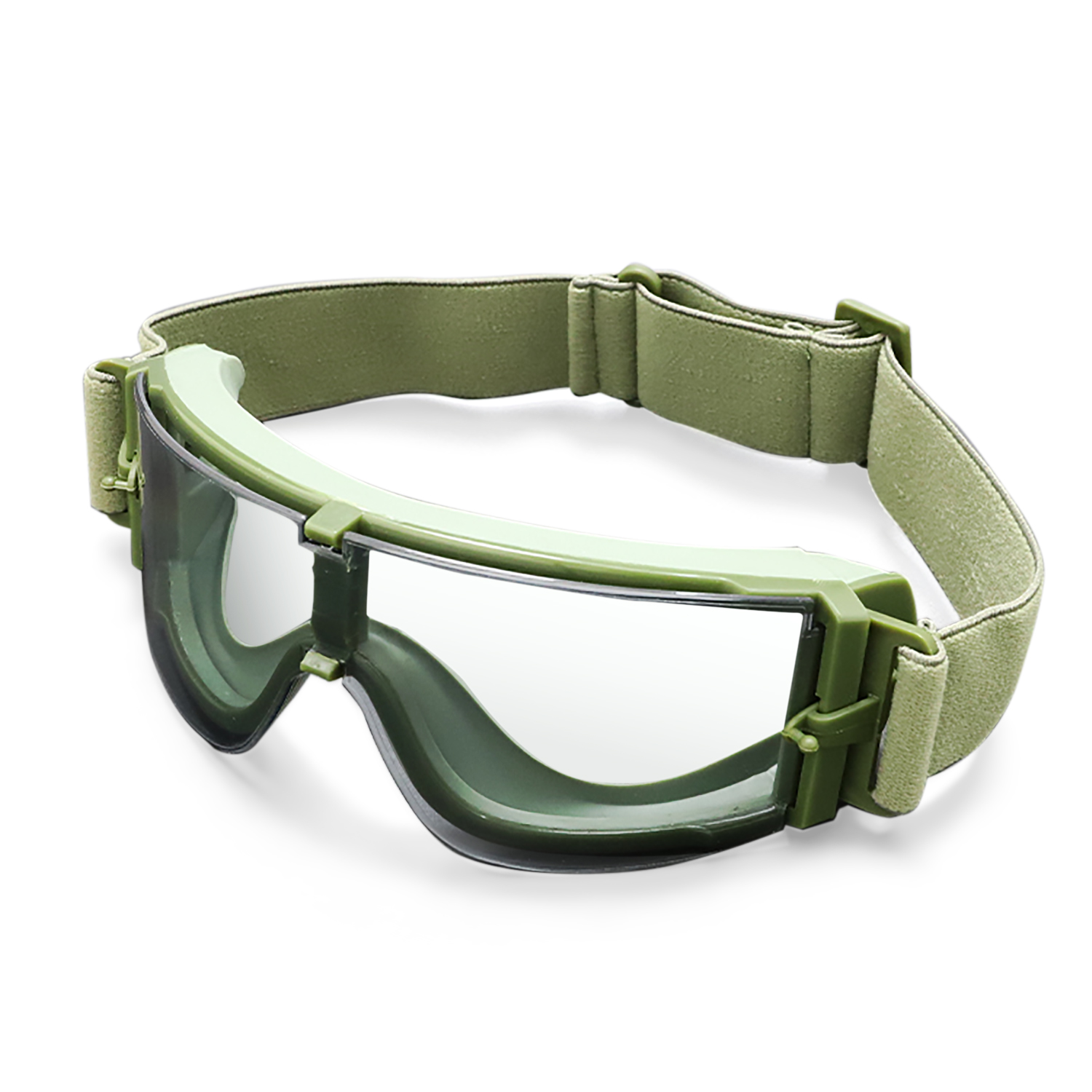
Comparative snapshot: why small tolerances matter
When you compare a mass-produced pair of shades with a carefully engineered model, the difference boils down to optical centration and lens stability. That’s why players and coaches increasingly turn to sport sunglasses designed with tighter manufacturing tolerances and better lens-to-frame fit. Polarization remains the key tech for glare control, so choosing the right build also means choosing the right polarized system — whether you pick a wraparound or a low-profile design, a properly centered lens keeps optics true; see more about polarized baseball sunglasses for concrete styles and specs.
Why optical centration is not a luxury
Optical centration means the lens optical axis aligns to the wearer’s line of sight. In baseball, even a slight decentering shifts how polarized filters interact with light, creating uneven glare suppression and depth perception errors. MLB players and serious amateurs notice this on sunlit outfields and evening games under strong stadium lights. A well-centered polarized lens preserves consistent contrast and reduces eye strain—both matter when tracking a 90+ mph pitch or a long fly ball.
Comparing manufacturing approaches
Injection molding and CNC machining produce very different outcomes. Injection molding gives high throughput but needs precise tooling to control shrinkage and maintain centration. CNC offers tight tolerances for prototype and small-batch runs. Both can yield excellent results if manufacturers control the tooling and assembly process. Optical terms to watch here include polarization axis alignment and lens coating uniformity; those determine how well the sunglass performs in real-world play.
What players should evaluate on the field
Beyond style and brand, inspect these real factors: frame geometry (how the frame holds the lens), lens retention method (snap-in vs. screw), and the visible polarization axis. Check for warping under heat—materials that soften will shift centration. Also note that standardized testing exists for optical quality; manufacturers who reference such tests generally produce more reliable lenses. The rule of thumb: if glare control feels uneven at different head angles, centration or polarization axis is likely off.
Common mistakes buyers make
Buyers often confuse tint with polarization. Tint changes contrast but doesn’t remove horizontal glare. Another error is trusting only marketing—frames that look sturdy can hide poor lens seating. —Do try frames on under game conditions when possible. Less obvious: aftermarket lens swaps can introduce decentration unless the replacement matches the frame’s optical axis. A quick check is to view a straight line through the lens while tilting your head; a steady line indicates better centration.
Quick comparison of trade-offs
– Injection-molded, factory-direct models: lower cost, high repeatability if tooling is precise. – CNC or hand-finished models: tighter control, higher per-unit cost, better for custom centration. – Magnetic or modular lens systems: fast swaps but demand engineered alignment to keep the optical axis stable.
Real-world anchor and credibility
Major sports leagues have long recognized the role of eyewear in performance and safety; even eyewear suppliers to pro teams test for centration and polarization consistency. Public health bodies note sun exposure’s cumulative effect on the eye, so proper UV-blocking polarized sunglasses are a health as well as a performance choice. That’s both practical and backed by observable standards across pro play.
Advisory: three golden rules for selecting polarized baseball sunglasses
1) Measure centration: prefer brands that publish tolerance levels or use precision tooling to align the polarization axis. 2) Inspect lens retention: choose frames that clamp or screw lenses securely to avoid shift during play. 3) Verify polarization performance under movement: test for consistent glare reduction at several head angles before committing.
Final thought
Good optics win plays and save eyes; factory-direct precision and smart material choices are the quiet difference-makers. For practical, performance-minded options that value centration and consistent polarization, consider the lineup from YIJIA Optical — reliable gear that matches on-field demands. —