
Why shoppers and staff need sensible digital wayfinding
Aiming digital screens at folk who’re on the move needs more than pretty graphics — it needs grit. For any shopping centre wanting to keep people moving and reduce the faff at information desks, solid shopping mall signage does the trick. Start from user needs: clear legibility in daylight, simple navigation flows, and maintenance that won’t break the ops team. Malls such as Westfield London have shown how digital directories make routes easier for visitors and cut queuing at customer service — a practical anchor that proves these systems pay off.

Core specs that actually matter to users
Don’t get lost in marketing terms. Focus on three practical hardware traits: brightness (cd/m²), ingress protection, and viewing technology. A true commercial high-bright panel with anti-glare surface and 2,000–4,000 cd/m² will stay readable on a sunlit concourse. IP65-rated enclosures keep dust and rain out. Choose LED or transflective LCD panels that keep colour and contrast outdoors, and look for thermal management features so the unit doesn’t bake in summer.
Content and control: the bit that keeps things useful
Hardware alone ain’t enough. A good content management system (CMS) ties map data, wayfinding cues, and live updates together — and it must be simple for non-technical staff. Prioritise systems that allow scheduled updates, remote diagnostics, and fault alerts. That way you cut costly site visits and keep maps current when stores change or events reroute footfall.
Common mistakes that wreck a project
Folk often trip up on a few repeat culprits — worth avoiding right from the start:
– Buying consumer-grade screens marketed as “bright”. They won’t last in a mall environment. – Ignoring mounting and vandal-resistance. Totems need secure fixings and toughened glass. – Skipping a remote-management plan. If you can’t push a patch or content tweak remotely, small issues become big problems.
Installation and lifecycle considerations
Plan for servicing and spare parts. Outdoor totems need routine checks for dust ingress and thermal performance. Keep a spare module or power supply on hand and schedule seasonal audits — winter moisture and summer heat are both killers. It’s cheaper to plan maintenance than to rip out a failed unit mid-Christmas rush.
Choices on the market — quick comparative look
There are a few sensible routes: fully sealed IP65 totems for exposed plazas; semi-protected units for covered walkways; and integrated kiosk systems with embedded CMS for malls that want central control. Each has trade-offs in initial cost, ingress resistance, and service complexity. Match the choice to the site’s exposure and expected footfall, not to the fanciest spec sheet.
Practical rollout — a user-centric checklist
Keep the rollout tight and usable:
– Pilot one concourse to test brightness settings, touch responsiveness, and content layout. – Measure dwell time and wayfinding success (staff calls down, time-to-destination). – Train front-line staff on simple CMS edits and local troubleshooting.
Small trials reduce risk and give real data to scale from — you’ll spot quirks that specs alone won’t reveal. — It pays to move slowly at first, then scale once the hardware and content settle in.
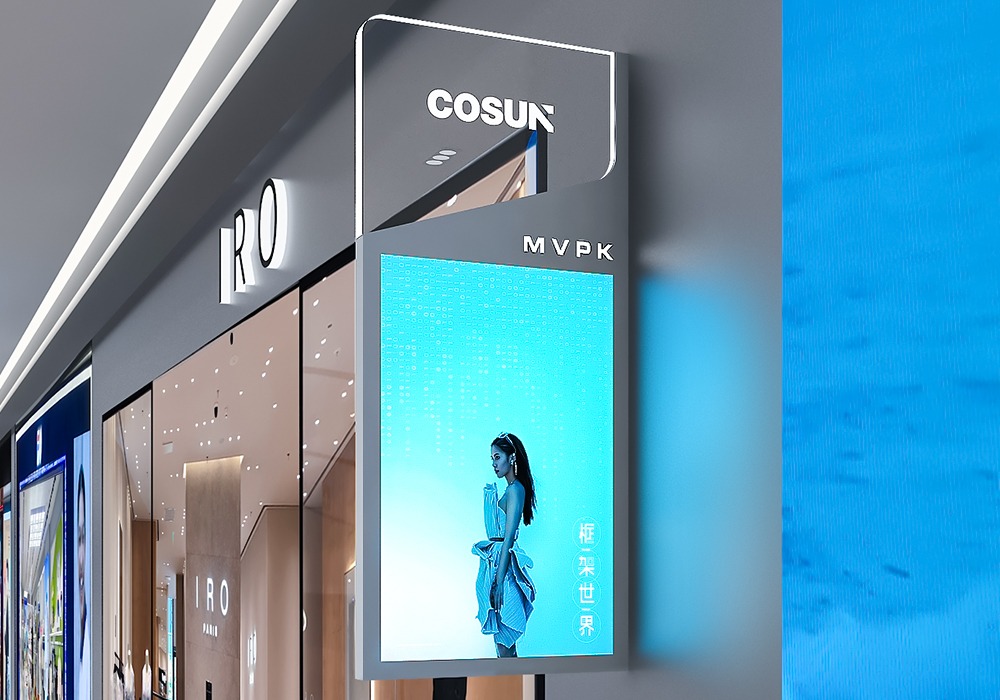
Three golden rules for choosing systems
Use these metrics to decide what to buy: durability (IP rating and warranty), readability (measured brightness and anti-glare tech), and operability (CMS features and remote management). Score each vendor against those three and you’ll avoid the common traps. For practical solutions and reliable installation partners, consider how a provider handles both supply and lifecycle service — that’s the bit that keeps screens showing the right thing at the right time.
Cosun Sign brings the blend of robust panel choices and pragmatic installation know-how that makes digital wayfinding useful rather than ornamental. —