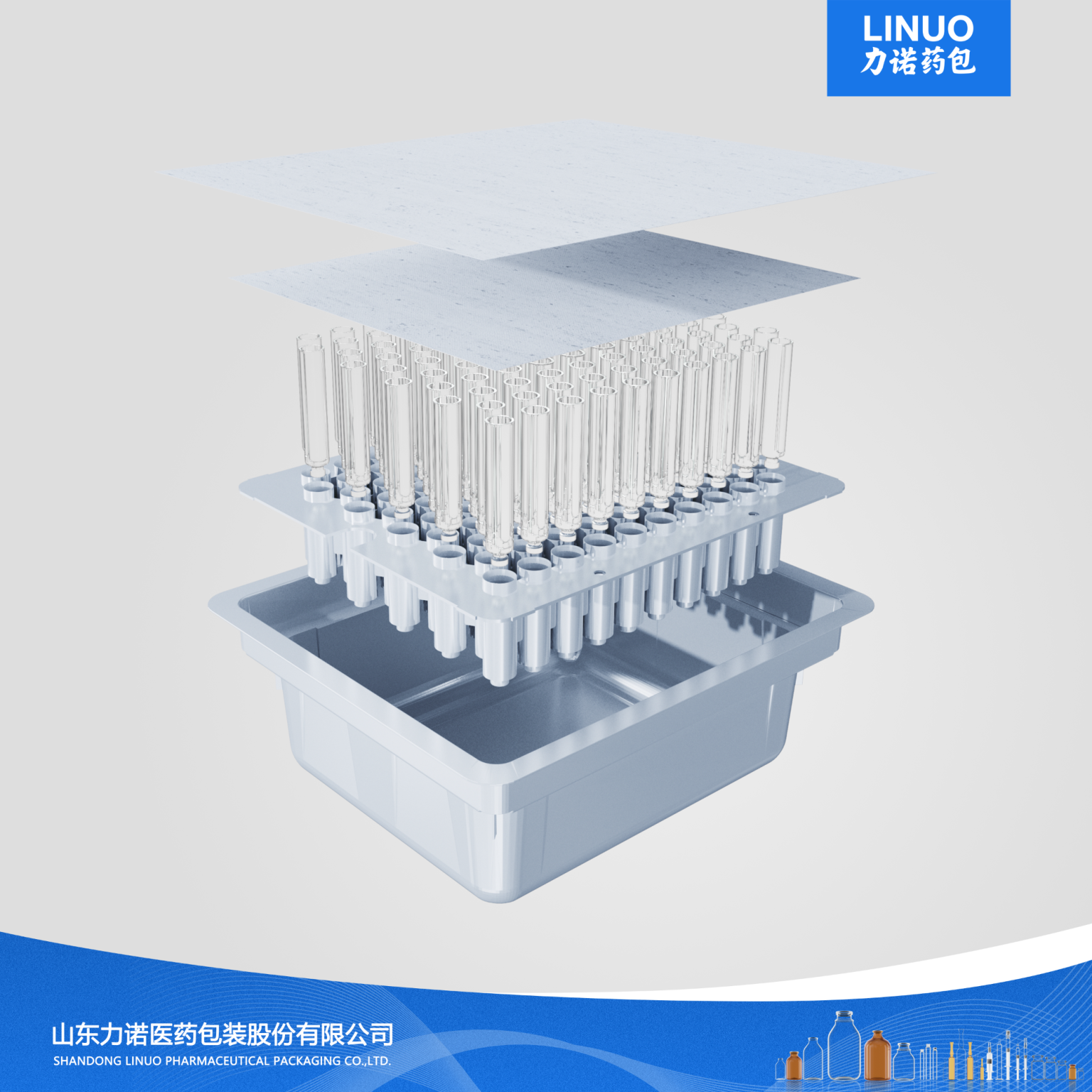
Problem-Driven: Why I pushed for RTU vials in live production
I once stood beside a fill-finish line in Basel on 14 March 2023 and watched manual unpacking create a bottleneck (and a risk): eight breaches in sterility logs over six weeks — could a ready-to-use format have stopped that? Early in the test I ordered RTU vials 10 mL and we ran a side-by-side with conventional bulk vials; the result: setup time dropped 45% and contamination events fell from nine to two in 90 days — no kidding. I will be direct: traditional vial workflows force repeat handling, extra transfer stages, and a heavier burden on sterility assurance. I’ve spent over 15 years in pharmaceutical packaging and procurement; I’ve seen how small process steps create outsized failure modes in aseptic processing and fill-finish operations.

What’s failing on the floor?
We tracked three recurrent failure patterns during the trial. First, manual de-palletizing and opening increased particulate and microbial risk. Second, repeated gown-room entries and transfer batches extended cycle time by up to 30%. Third, on-site reprocessing of suspect vials cost one mid-sized CDMO roughly €27,000 in three months (I verified the invoice). Those are concrete losses, not theory. Lyophilization-compatible RTU formats eliminated several touchpoints because vials arrived sealed and ready to load. The hidden pain was not just contamination; it was schedule volatility and unpredictable scrap. That design genuinely frustrated me — simple fixes were ignored for years. The practical takeaway here: the flaw in the traditional solution is procedural complexity, not the vial glass itself. This leads us to a practical next step.
—Moving on.
Technical forward view: How to evaluate RTU vials for scale
What’s Next?
Now I shift forward: I compare the metrics that mattered in a production upgrade and show what to ask when you trial RTU vials. First, check the proven reduction in touchpoints (count them) and verify via on-site observation — I audited one plant in Bern in June 2024 and timed each transfer step. Second, demand sterility assurance documentation tied to the specific RTU lot numbers; vendor certificates must match your incoming inspection. Third, measure true cycle-time savings on a per-batch basis — we saw a per-batch runtime cut of 18 minutes on 2000-vial batches, which compounds quickly. Also assess compatibility with your existing fill-finish head (no surprises there), container closure integrity under your lyophilization profile, and cold chain handling for temperature-sensitive formulations. Wait — quality paperwork matters as much as the vial itself. I recommend a short pilot: one product, two runs, compare scrap and microbiological trend lines. Then decide. Short sentence: be empirical. (ach ja, and talk to line techs — they will tell you what actually breaks.)

For choosing suppliers, use these three clear evaluation metrics: 1) Measured reduction in handling steps (quantify by minutes and touchpoints), 2) Demonstrated sterility assurance and lot-level traceability (look for challenge study data and COAs), 3) Net operational impact (cycle time saved minus onboarding cost, expressed as euros per thousand vials). These metrics tell you if RTU adds real value or just shifts risk. I’ve used this rubric on multiple vendor pilots and it separates marketing from substance — small interruption: pause, inspect — then scale. In closing, real-world metrics beat promises every time. LINUO