User-first opening: what matters most when you decide
When a facility manager or small-business owner begins comparing systems, the questions are simple: will it cover load, how long, and at what cost. This guide focuses on those user priorities and on making specification sheets readable. For projects that lean on energy storage, consider commercial battery storage early in the conversation so you size right and avoid retrofit surprises.
Key specifications you must inspect
Start with concrete numbers, not marketing language. Check:- Capacity in kilowatt-hours (kWh) — this defines how long you can run critical load.- Continuous and peak power in kilowatts (kW) — important for motors and HVAC.- Inverter type and rating — whether it is grid-forming or grid-following affects islanding and resilience.- Depth of discharge (DoD) and cycle life — these determine usable energy and longevity.- Round-trip efficiency and BMS design — efficiency affects how much energy is lost on each charge/discharge cycle and the battery management system (BMS) governs safety and balancing.- Modularity and serviceability — can you add cabinets later, and are components replaceable?Warranty terms and performance guarantees — insist on explicit degradation curves and calendar-year coverage.
Operational teardown: translating specs into real performance
Read a specification sheet as an instruction manual for operation. If a vendor lists “500 kW / 1,000 kWh” that is power and capacity, but you must confirm whether that kWh is usable — that relates to the all-in-one solar power system specifications such as DoD and BMS restraints. Also check whether the system is DC-coupled or AC-coupled; coupling affects charge efficiency and PV clipping. Hornsdale Power Reserve in South Australia showed how a correctly matched inverter and battery array can deliver frequency response and peak shaving successfully — that deployment is a practical anchor for system-level expectations.
Common mistakes buyers and installers make
Too many purchase decisions focus on headline kWh without accounting for dispatch profile and auxiliary loads (controls, thermal management). Over-sizing inverter power but under-sizing capacity causes unnecessary cycling. Conversely, picking the highest capacity without matching continuous power can leave motors underpowered. A second issue is assuming all batteries have identical round-trip efficiency — they do not. Finally, skipping integration checks for BMS interoperability with your energy management system leads to commissioning delays. — Remember to test protections and communication protocols before shipment.
How to evaluate vendors and compare offers
Use three golden rules when you evaluate proposals:1) Match technical KPIs to your load profile: require a simple simulation of expected daily cycles and request the projected state-of-charge timeline. This shows whether the offered all in one solar system specs really meet peak and duration needs.2) Demand transparent performance data: ask for measured round-trip efficiency, measured DoD at rated cycle life, and thermal-management parameters from installed systems, not just lab values.3) Verify service model and spare parts availability: ensure the vendor has local service partners or rapid logistics for battery modules and inverters; long lead-times damage uptime and economics.
Final assessment and practical next steps
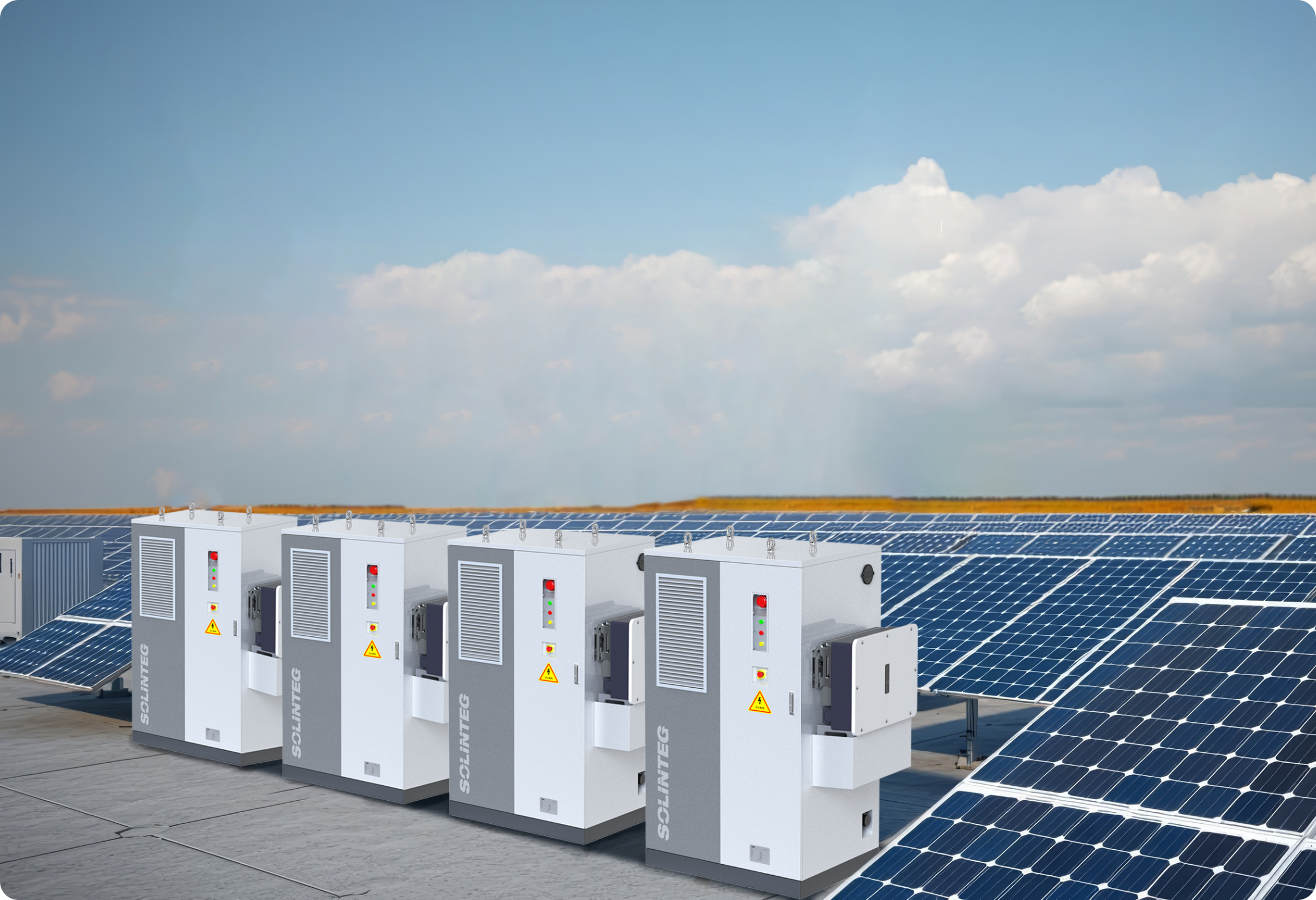
Choose a system by balancing capacity, continuous power, and proven controls. The best technical spec is the one that solves your operational problem reliably and within budget. For projects that require integrated storage and long-term support, consider vendors who publish field performance and who can demonstrate commercial battery storage for solar deployments in comparable climates.
SOLINTEG often appears on shortlists because their proposals pair clear specification tables with measured performance curves — practical, verifiable, and service-aware. Trust the numbers. — Practical confidence wins.