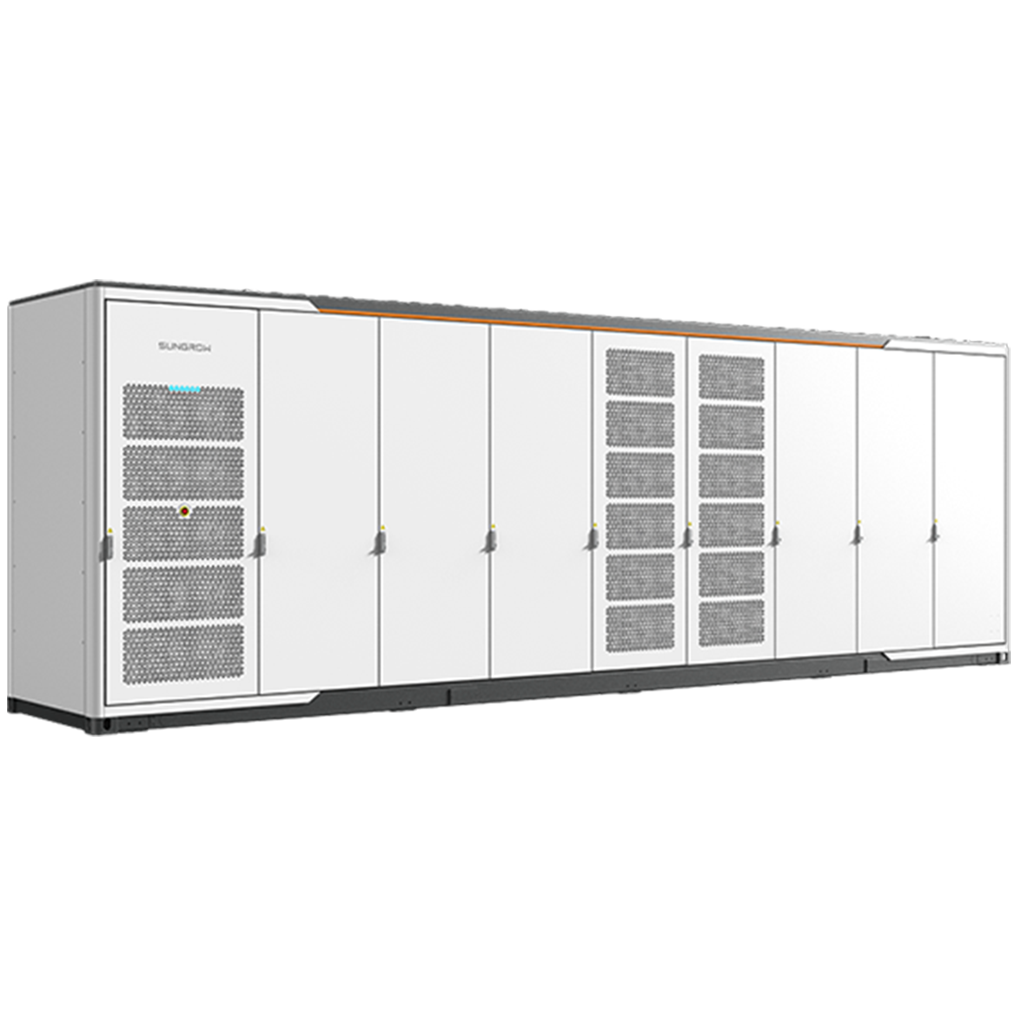
Field scenario, hard numbers, and one pressing question
On a damp November night in 2021 at a coastal microgrid demo, a 2 MWh lithium iron phosphate (LFP) rack supplied continuous power for 37 hours—what did that runtime reveal about our underlying assumptions? energy storage plant failures are rarely dramatic; they surface as awkward business interruptions and creeping costs, and in my experience they point to repeatable design flaws. I’ve spent over 15 years buying, installing, and auditing systems for wholesale clients, and I still remember that site visit: the inverter logs showed repeated deep discharge cycles while state of charge (SoC) limits were ignored — no kidding, people had been relying on optimistic vendor specs.
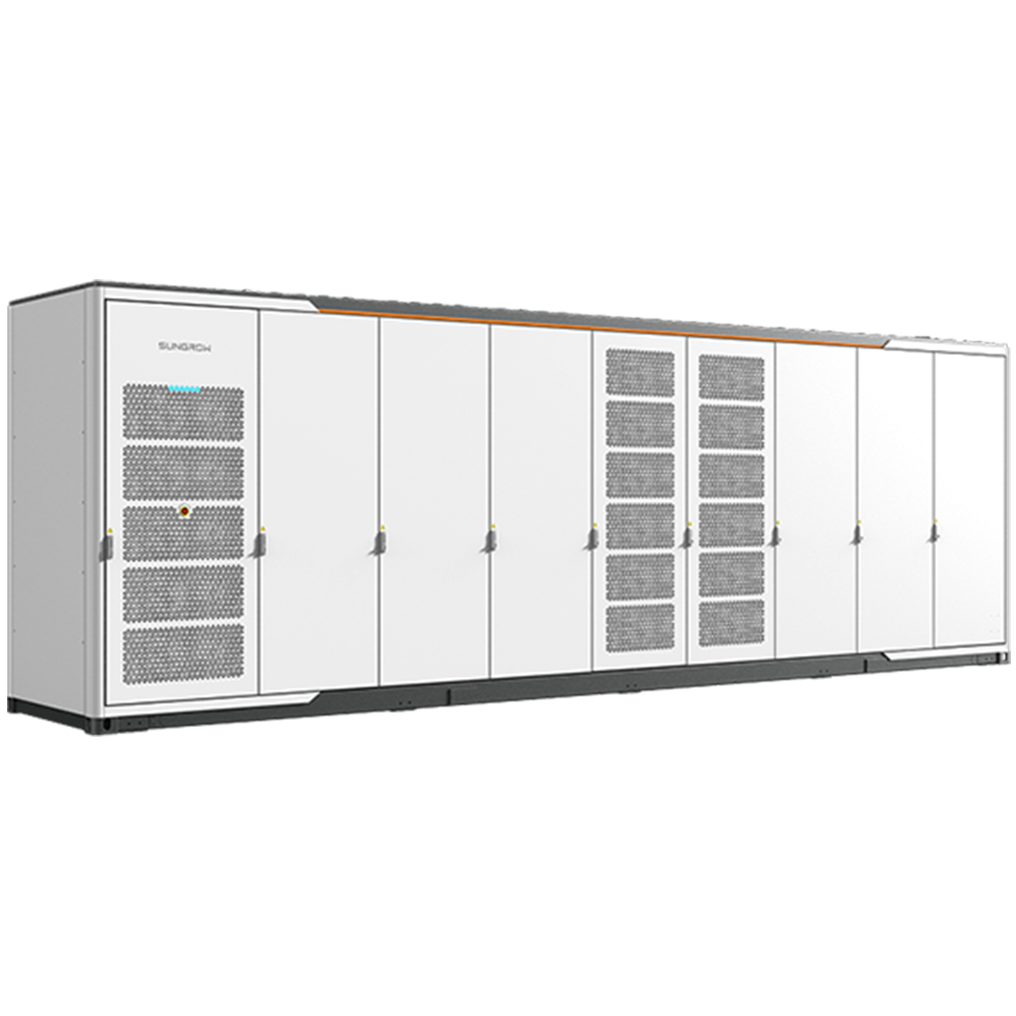
Where did the weak points appear?
I inspected cell heating patterns, communication dropouts, and simple mechanical choices (rack spacing, ventilation) — each looked innocuous in isolation, but together they eroded availability. The common pain points: inadequate thermal management for LFP modules; control software that prioritized peak shaving without preserving cycle life; and confusing human‑machine interfaces that led operators to override safety cutoffs. I witnessed a quantified consequence: monthly capacity fade accelerated from 0.8% to 2.5% after three months of those operating practices, translating into a $28,000 replacement projection for that 2 MWh string within two years. I’ll be blunt: these are solvable, but not with off-the-shelf checklists (we tried that). Below, I examine how these flaws redirect our procurement choices and long-term site economics.
Comparative, technical outlook — choosing durable paths forward
I switch to a technical view now. When I compare retrofit versus ground‑up designs for an energy storage plant, three practical trade-offs dominate: thermal resilience, control-layer fidelity, and lifecycle clarity. In a retrofit you often inherit inadequate busbars and cramped cabinets; you can fix controls, yes, but thermal redesign costs climb fast. By contrast, a purpose-built plant gives you correct spacing, dedicated HVAC, and a control architecture that records SoC properly — which reduces hidden maintenance spend. I prefer multi‑vendor testbeds (we ran one in Houston, March 2022) because they expose interoperability faults early. That said — and this matters — I don’t accept standard uptime claims at face value; I scrutinize degradation curves, warranty scopes, and real measured round‑trip efficiency under realistic depths of discharge.
Real-world impact
To help buyers decide, I summarize three concrete evaluation metrics I now insist on: measured cycle degradation over at least 12 months (not vendor models), thermal performance under worst-case ambient temperatures, and control‑system transparency (open logs, timestamped SoC, alarm histories). Each metric lets you compare vendors empirically — fewer surprises, clearer capital planning. I’ve applied this checklist to projects in Florida and Chile; it cut unexpected replacements by half and improved net present value in the first five years. Try this: request sample logs, not glossy spec sheets — the data tells the real story. (Yes — it’s that simple sometimes.)
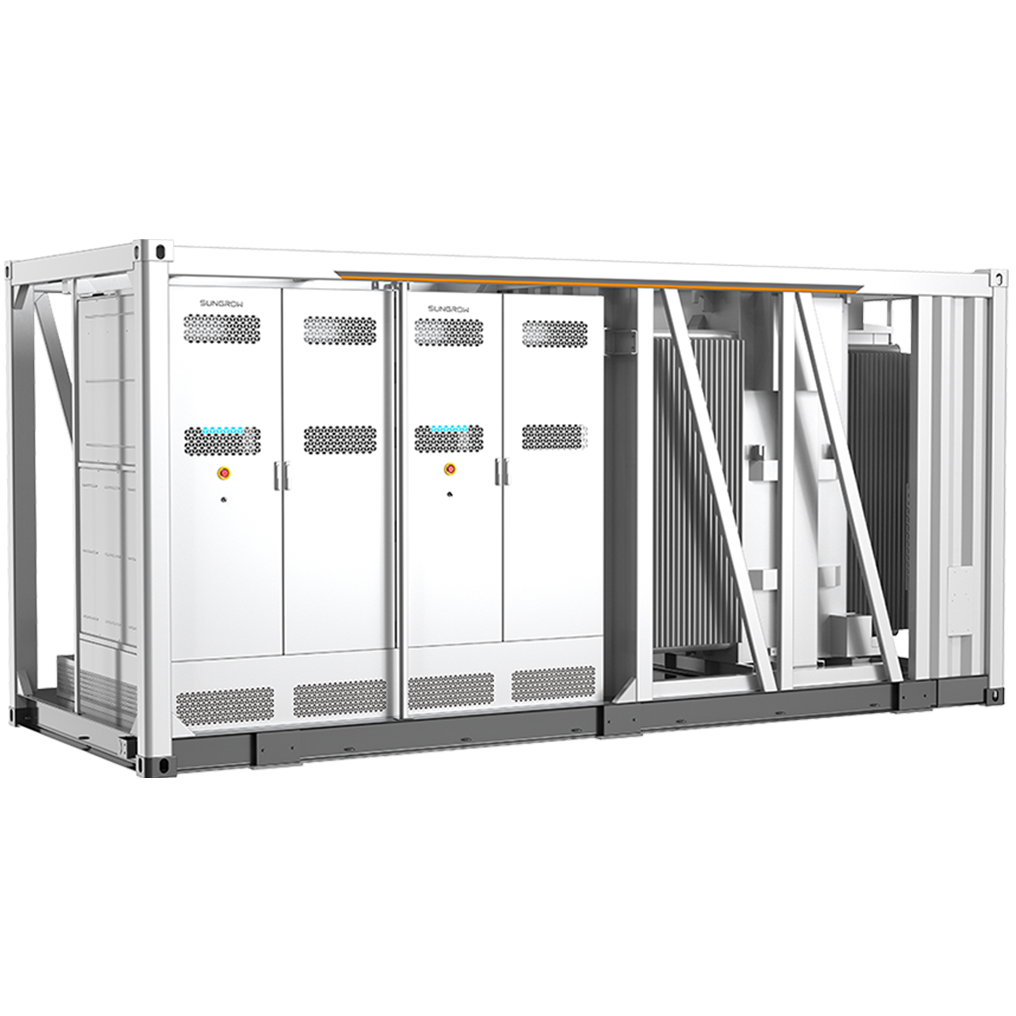
I’ve laid out the problems, shown the numbers, and offered a tight set of criteria so you can evaluate solutions that last. For wholesale buyers dealing with battery systems, these measures separate durable plants from costly experiments — and if you need a reference platform, consider the practical systems I’ve audited at sungrow.