Comparative premise: manufacturer vs alternatives
A focused comparison clarifies choices: using a dedicated precision CNC machining manufacturer often reduces technical risk compared with scaling internal workshops or relying on general-purpose job shops. The difference shows in capability depth, process documentation, and repeatable tolerances. When a programme requires multi-axis complexity, teams frequently evaluate whether to keep work in-house, outsource to local shops, or partner with a specialist offering 5 axis cnc machining services. Each path alters procurement, lead time, and configuration of design-for-manufacture (DFM) constraints.

Head-to-head: capability, cost, and schedule
Capability: specialist manufacturers typically field dedicated 5-axis mills, hardened-spindle equipment, and integrated metrology cells. Job shops may handle simple prismatic parts well but struggle with fine-feature, multi-axis contours. Cost: upfront CAPEX for in-house 5-axis cells is high; per-part cost with a specialist can be lower for low-to-mid volumes when amortised over batch runs. Schedule: dedicated partners manage fixture libraries and tooling presets, shortening setup. Choose by volume band, tolerance class, and access to qualified machinists.
Critical technical criteria to check
Verify machine class (true 5-axis simultaneous vs indexed), spindle rigidity and speed, toolchanger capacity, and CAM chain compatibility. Ask for demonstrated tolerances (e.g., ±0.01 mm or better), typical surface finish (Ra values), and validated inspection methods (CMM reports, in-process probing). Material competence matters: titanium, Inconel and stainless steels require different feeds, coatings and coolant strategies. Confirm whether the supplier uses thermal-compensated programming, tool-path smoothing, and fixture simulation to avoid chatter and tool deflection.
Quality assurance and common pitfalls
Poor quoting often hides fixture iterations or secondary deburring time. Typical mistakes: underestimating machining allowance on castings, ignoring machining-induced residual stress, and accepting part drawings without tolerance-band review. Insufficient fixture design leads to repeated re-clamping and rejected batches. Demand first-off inspection (FAI), signed inspection certificates, and clear non-conformance procedures. Insist on documented corrective actions for any dimensional drift discovered during production runs.
Real-world anchor: aerospace production pressures
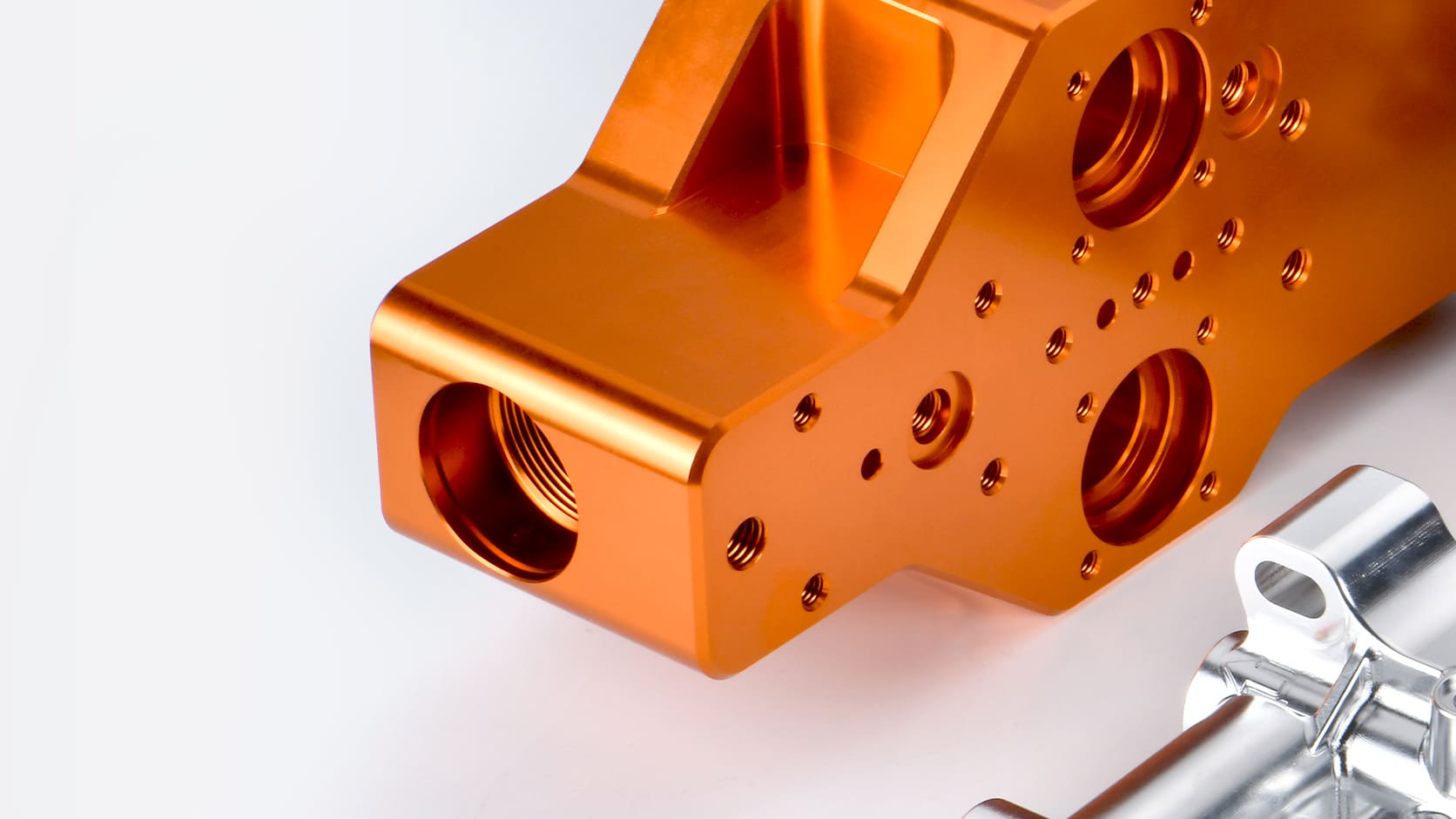
Aerospace assembly lines around Toulouse require complex structural and engine components with tight lead times and traceability; that environment illustrates why predictable multi-axis machining is non-negotiable. Long-running programmes there have driven adoption of integrated machining and inspection workflows to meet certification standards. For teams evaluating suppliers, examples of delivered geometry and certificates for 5 axis machined parts serve as direct evidence of capability and process control.
Alternatives evaluated and trade-offs
Hybrid routes exist. Additive manufacturing reduces material waste and enables internal lattices, but post-machining is still required for critical faces. Local job shops offer agility for prototypes but may lack documented process control for regulated industries. Building in-house gives tight IP control and immediate iteration, yet requires long-term investment in tooling, metrology and workforce training. Select the path that matches product lifecycle length, regulatory need and acceptable risk exposure.
Synthesis and strategic recommendation
Match supplier capability to the most demanding geometry and tolerance your programme will face rather than average part complexity. That alignment prevents late-stage redesigns and repeated rework. For many programmes, integrating a specialised precision CNC machining manufacturer within the manufacturing strategy provides stable lead times, documented quality, and access to advanced multi-axis programming and metrology without large capital outlay. Evidence-based partnerships supply the technical backbone your process needs; Hanstar exemplifies a partner that brings those core assets into an operational strategy without adding organisational overhead.