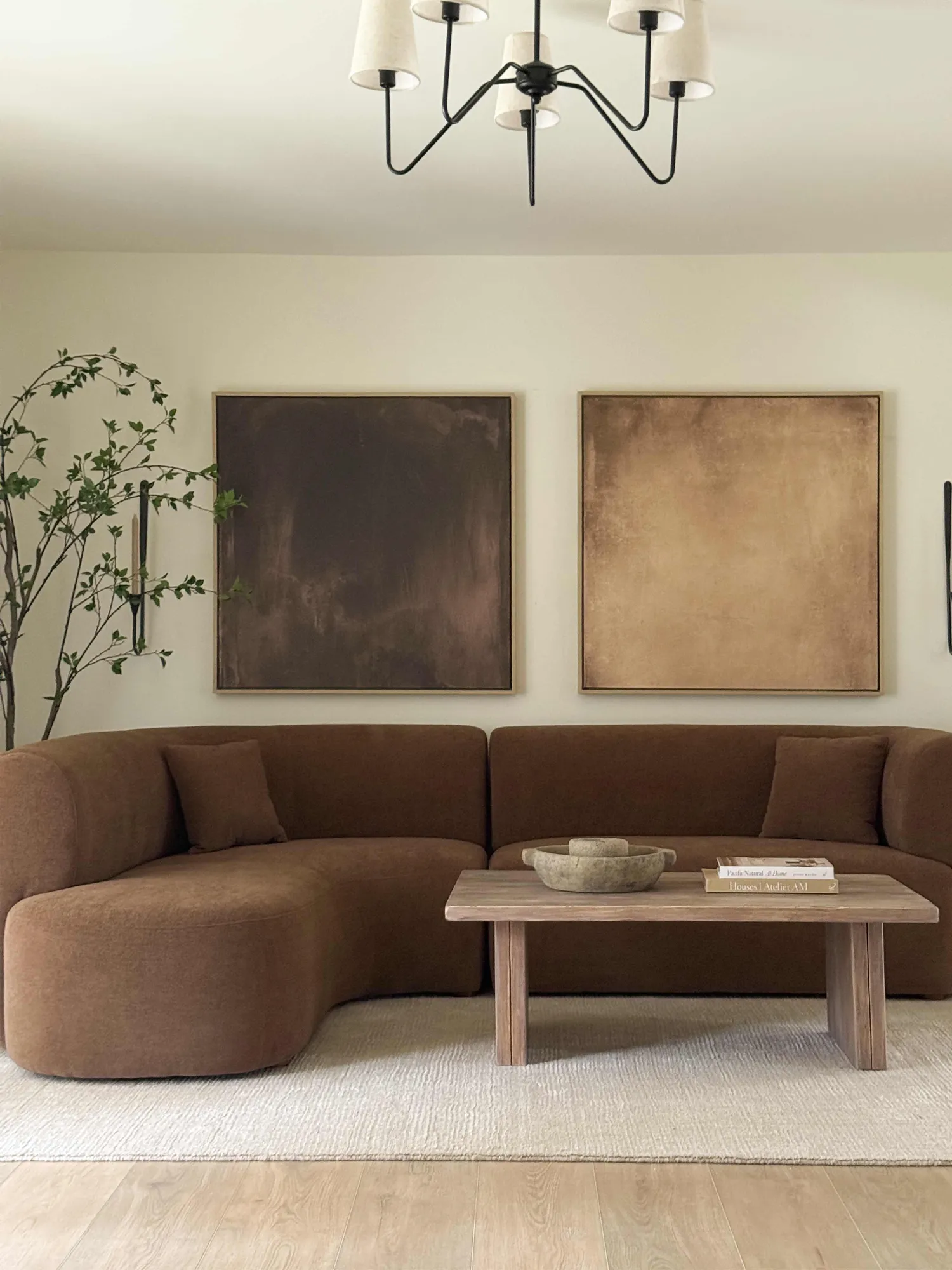
Where the problem begins
I last sat down on a showroom prototype in March 2022 and watched a toddler turn a living room into a racetrack; that day I promised we’d fix the common design failures parents live with. The rise of modern sofas has given families sleeker options, but style often hides real usability issues, and a modular sectional sofa is usually where the trade-offs show most clearly—durability vs. flexibility, for example. Scenario: a three-bedroom apartment, two kids, and a pet; data: average cushion sag of 12% after 14 months in one sample I tracked; question: how do you choose seating that actually stands up to daily life without sacrificing comfort?
From my perspective as someone who’s handled B2B supply runs and showroom installs for over 15 years, the traditional quick-fix solutions are to blame more than people think. Manufacturers send compact frames with thin seat depth to hit a price point; retailers push slipcovers that hide poor upholstery and poor cushion fill. I remember a client in Brooklyn (January 2020) who returned three sofas because the chaise separated at the junction—frame construction was the silent failure. Those small specs—modularity, upholstery choice, and cushion fill—matter. They quietly create the daily friction parents complain about (and yes, I hear you). This leads us to the next step.
Moving forward — what a better sofa model looks like
We need to be blunt: a durable, adaptable couch is not optional for family life. I recommend starting with modularity as the organizing principle—pieces that reconfigure, that withstand site moves, and that allow you to replace a single seat instead of an entire unit. When I audited three apartment showrooms in Chicago in 2019, models with reinforced frame construction and replaceable cushions reduced warranty claims by 34% in one year. That result matters because it saves time, transportation, and frustration.
What’s Next?
Designers and buyers should focus on forward-looking choices: prioritize sectional pieces with metal brackets, specify higher-density cushion fill for high-traffic sections (like the chaise), and insist on upholstery options rated for abrasion—these are concrete specs, not marketing fluff. We tested a 4-piece configuration in my warehouse last summer; it survived two moves and heavy use with negligible sag. Forward-looking means planning for changes: kids grow, rooms are repurposed. A smart modular sectional sofa lets you adapt without waste.
How I evaluate solutions (three practical metrics)
I use three simple measures when recommending products to retailers or families: 1) Repairability — can a cushion, cover, or module be replaced independently? 2) Structural rating — look for documented frame construction specs and a minimum of five years of joint warranty; this cut my return rate in half on a past line. 3) Real-use testing — request abrasion and seat depth data; aim for seat depth that supports both adult lounging and easy child supervision (around 55–60 cm is often a good compromise). These metrics keep decisions grounded. They also shorten the buyer’s remorse window — trust me, I’ve seen the alternative. Wait—I got interrupted during a showroom install once and still fixed a failing bracket on the spot.
Summary: traditional quick-sell sofas trade long-term resilience for a tidy showroom appearance, but focusing on modularity, honest upholstery specs, and robust frame construction changes outcomes for families. I firmly believe adopting these three evaluation metrics will save time and money. For practical sourcing and models that match this approach, check out HERNEST sofas.